
Olympic National Park
An overview of Olympic National Park in Washington: landscapes, ecosystems, history, recreational opportunities, and why it’s notable among U.S. protected areas.
Overview
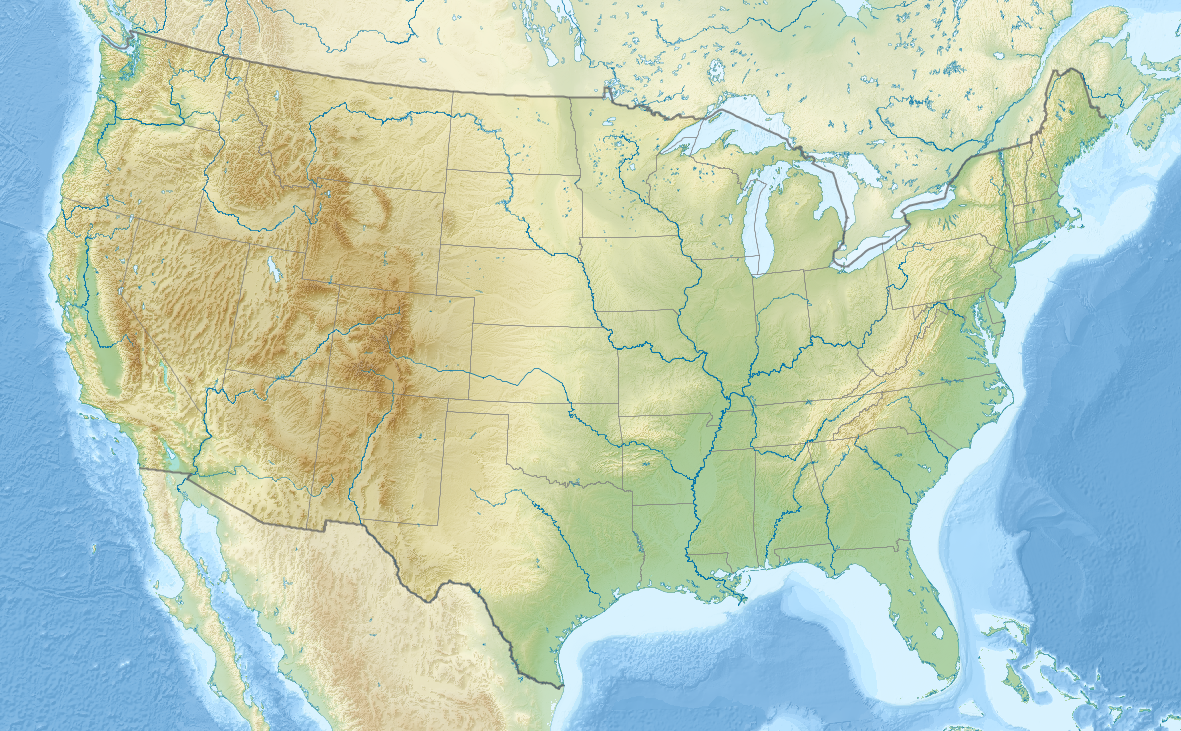
Olympic National Park is a protected U.S. national park located on the Olympic Peninsula. It lies within the U.S. state of Washington and was established in 1938. The park encompasses roughly 922,650 acres and includes much of the Olympic Mountains along with extensive coastline and lowland forests.
Image gallery
10 Images



Major landscapes and characteristics
The park is remarkable for its concentration of different ecosystems in a single unit. High alpine ridges and glaciers give way to old-growth temperate rainforests and rugged Pacific shorelines. Much of the park sits on the Olympic Peninsula and contains the core of the Olympic Mountains, creating steep elevation gradients and diverse habitats.
Climate and unusual features
The western slopes receive some of the highest rainfall totals in the contiguous United States; parts of the park are considered among the wettest places in the lower 48. Only locations in Hawaii and Alaska typically exceed those precipitation extremes. This damp maritime climate supports lush moss-draped forests and rich coastal ecosystems.
Human history and conservation
Indigenous peoples have lived on and stewarded lands on the peninsula for millennia; several contemporary tribal nations maintain cultural ties to areas now within park boundaries. The park was created as part of early 20th-century conservation efforts and later earned international recognition for its natural values, including World Heritage and biosphere designations.
Recreation, research and importance
Visitors come for hiking, backpacking, wilderness camping, tidepooling, wildlife viewing and scenic drives. Notable destinations inside the park—such as temperate rainforests and coastal beaches—are popular for education and scientific study. The park also supports efforts to monitor climate impacts and habitat conservation.
Notable facts and management
- Size: approximately 922,650 acres, protecting mountains, forest, and coastline.
- Multiple ecosystems: alpine, subalpine, temperate rainforest, and marine shorelines.
- Designations: national park with additional international recognitions for natural importance.
- Visitor guidance and official information are available from the park's resources: official park information.
Related articles
Author
AlegsaOnline.com Olympic National Park Leandro Alegsa
URL: https://en.alegsaonline.com/art/72459
Sources
- nature.nps.gov : "Listing of acreage as of December 31, 2011"
- nature.nps.gov : "Five Year Annual Recreation Visits Report"