
Okra (Abelmoschus esculentus): description, cultivation, culinary and cultural uses
Okra, or lady's fingers/gumbo, is a warm-season flowering plant grown for edible seed pods used worldwide in soups, stews and fried dishes; valued for its mucilage, fiber and adaptability.
Overview
Okra (Abelmoschus esculentus), commonly called lady's fingers or gumbo in English, is a warm-season flowering plant in the mallow family (Malvaceae). It is grown primarily for its elongated green seed pods, which are harvested while immature and eaten fresh, cooked or preserved. Okra is widely cultivated across tropical, subtropical and warm temperate regions and figures prominently in African, South Asian, Middle Eastern and Southern United States cuisines.
Image gallery
10 Images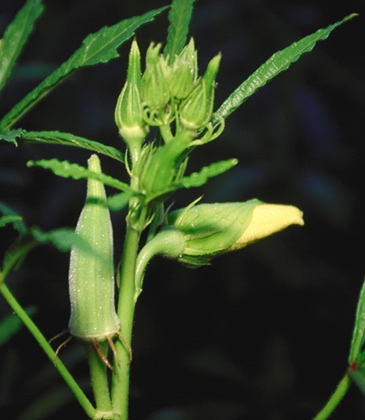


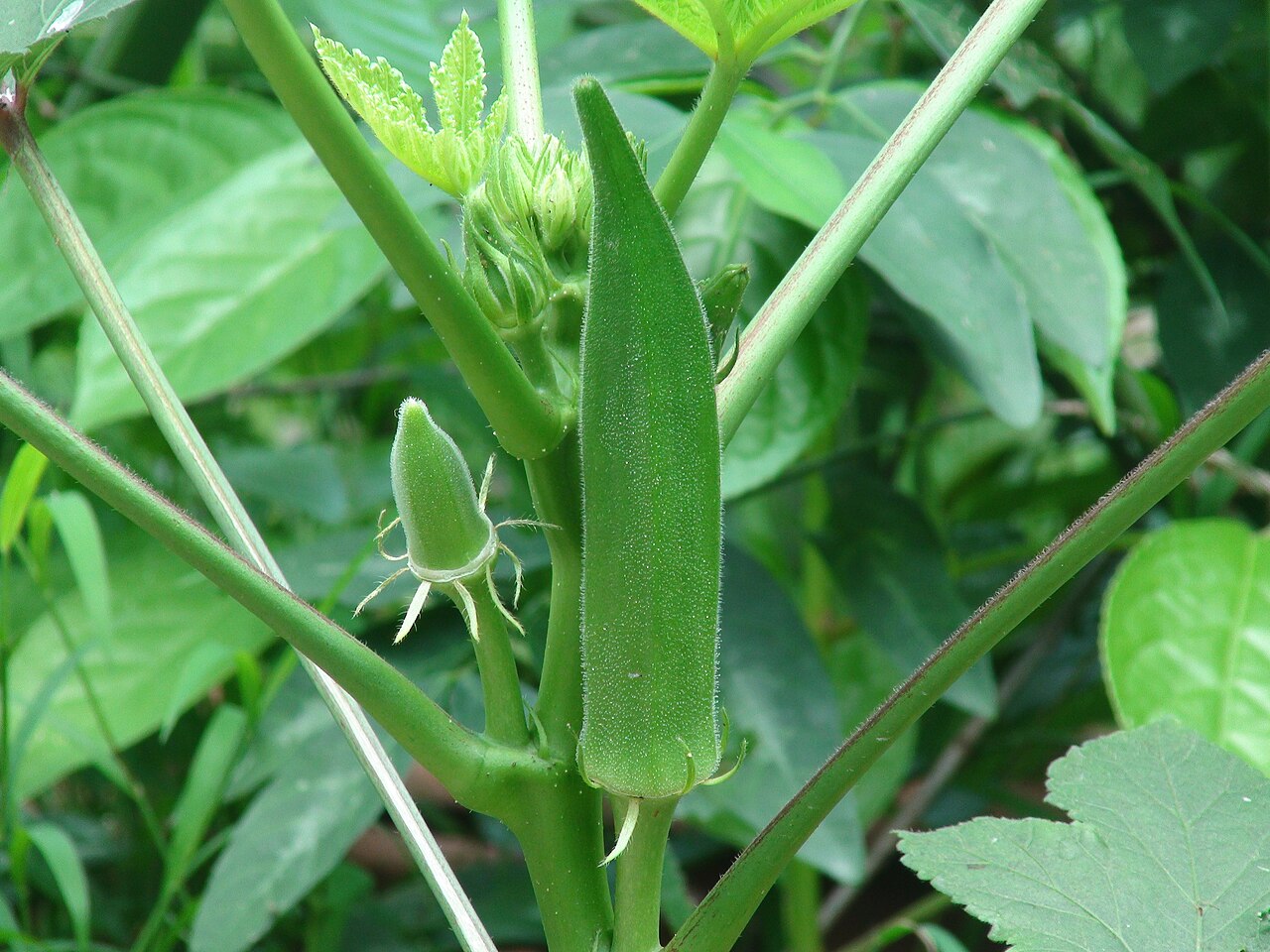


Description and characteristics
Okra plants are annuals with coarse, ridged stems and large, hibiscus-like flowers; they are related to cotton and other mallows. The edible pods contain small, white seeds and a characteristic mucilaginous sap that becomes sticky on cutting or cooking. This mucilage acts as a natural thickener and influences how okra is prepared in different culinary traditions. Pods vary in color and size, from pale green to deep green and even reddish varieties.
Cultivation and growing habits
Okra prefers warm weather, full sun and well-drained soils; it is sensitive to frost and performs poorly in cool, wet conditions. Seeds are sown directly into the soil after the danger of frost has passed. Plants are relatively drought-tolerant once established but benefit from regular moisture during pod development. Harvesting is frequent—pods are picked when tender to encourage continued production. Common challenges for growers include pests such as aphids and occasional fungal diseases; crop rotation and good sanitation help reduce problems.
Culinary uses and preparations
Okra is versatile in the kitchen. It is used whole or sliced and appears in a broad range of dishes:
- Stews and soups: okra is the defining ingredient in Louisiana gumbo and a thickener in many West African and Middle Eastern stews.
- Stir-fries and sautés: quickly cooked to retain texture, sometimes combined with tomatoes, onions and spices.
- Fried or roasted: battered and fried okra is popular in Southern U.S. cuisine; roasting reduces mucilage.
- Pickled or preserved: pickling extends shelf life and offers a tangy alternative.
Nutrition and non-culinary uses
Okra is appreciated for its dietary fiber, vitamins and minerals; it provides soluble fiber and contributes vitamin C, folate and other micronutrients in typical servings. Because of its mucilage, okra has traditional uses in home remedies and as a plant-based thickener in sauces. It also features in folk medicine in some cultures, although scientific support for specific therapeutic claims is limited.
History, cultural importance and varieties
The origins of cultivated okra are linked to tropical regions of Africa and possibly parts of South Asia; it has been grown and traded for centuries and became established in the Mediterranean and the Americas through historical trade routes. Many regional names and culinary traditions have developed around the plant. Varieties differ in pod length, color and plant habit, with both long-podded and dwarf types bred for home gardens and commercial production.
Distinctions and notable facts
Okra is distinguished by its mucilaginous texture, which makes it uniquely useful as a thickening agent in dishes. Its adaptability to warm climates and usefulness as both a vegetable and a culinary ingredient have made it a staple in diverse food cultures. For more detailed cultivation advice, recipes and botanical information, see these resources: growing guide, culinary uses, nutritional facts, historical background and variety descriptions.
Related articles
Author
AlegsaOnline.com Okra (Abelmoschus esculentus): description, cultivation, culinary and cultural uses Leandro Alegsa
URL: https://en.alegsaonline.com/art/72235
Sources
- books.nap.edu : "Okra"
- books.nap.edu : Lost Crops of Africa: Volume II: Vegetables
- nutritionfox.com : "9 Amazing Health Benefits of Okra"