
Olea capensis — African black ironwood
Olea capensis (black ironwood) is a widespread African olive-family tree known for exceptionally dense, hard timber used for turnery, carving and durable small wooden objects.
Olea capensis, commonly called black ironwood, is a tree of the olive family (Oleaceae) native to sub-Saharan Africa and adjacent islands. It is an evergreen species valued both ecologically and for its timber. Synonyms that have appeared in botanical literature include Olea undulata and Olea laurifolia, reflecting a complex taxonomic history and regional naming variations. The species is often recognized for its very dark, heavy wood and for being a durable component of local forests and scrublands.
Image gallery
7 Images




Distribution and habitat
Olea capensis has a broad distribution across Africa south of the Sahara and extends to several islands in the western and Indian Ocean. Its range includes eastern countries such as Somalia, Ethiopia and Sudan, continues southward to the tip of South Africa, and stretches west to nations like Cameroon and Sierra Leone. The species also occurs on islands including the Gulf of Guinea islands, Madagascar and the Comoros. Typical habitats are dry bush, littoral scrub and evergreen forest, where the tree may grow as a small to medium-sized canopy element or as part of multi-stemmed thickets.
Botanical characteristics
Belonging to the olive family (Oleaceae), Olea capensis shares several features with other olives: leathery leaves, small inconspicuous flowers, and a fruiting habit that produces drupe-like seeds. As an evergreen it keeps foliage year-round in suitable climates. Individual trees vary in stature by locality and growing conditions, with stems and branches often developing dense, dark heartwood prized by woodworkers.
Timber properties and woodworking
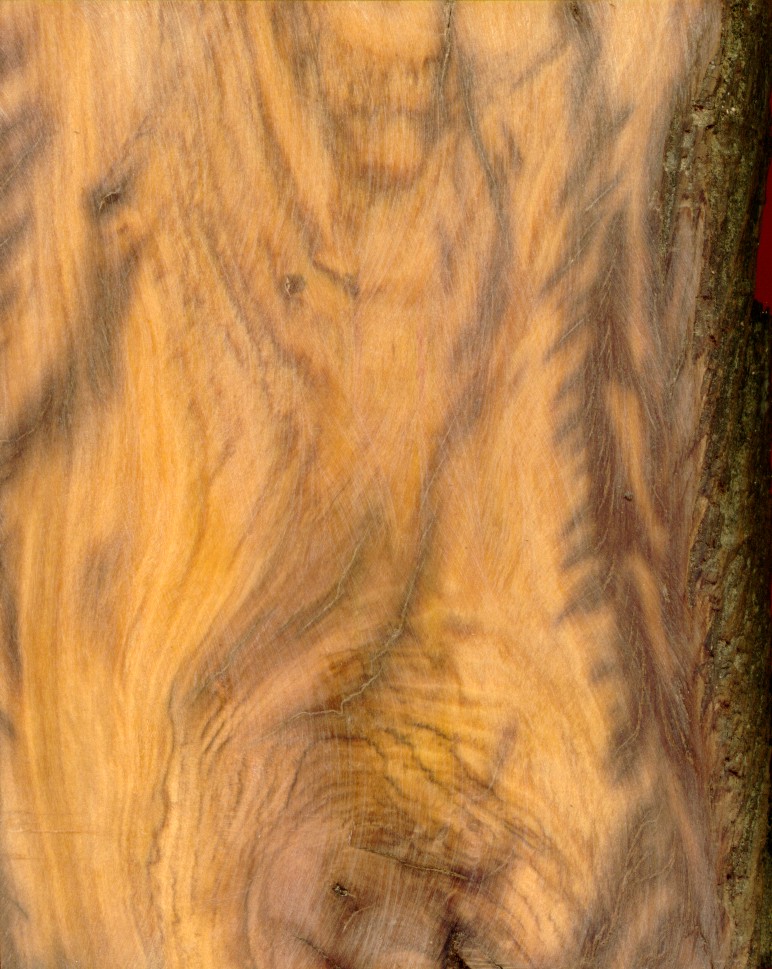
The timber of Olea capensis is famous for its exceptional density and hardness. It has been recorded in reference sources as one of the densest commercial timbers, with a specific gravity reported around 1.49, which causes the heartwood to sink in water rather than float. This density gives the wood excellent resistance to abrasion and makes it highly durable for items subject to wear. It is a favored material for turnery, small carved objects, inlay, tool handles and other items where a hard, polished surface is desirable. Working the wood requires sharp tools and patience, since its hardness can blunt cutters and resist conventional shaping.
Uses, importance and management
Locally, black ironwood has long been used for durable implements, ornamental turnery and occasionally small structural applications where strength and abrasion resistance are required. Because trees yielding this heavy heartwood can be slow-growing and the material is difficult to work, sustainably managed harvesting and local regulations matter where demand is high. The species' broad distribution means it is not universally rare, but pressure from timber collection and habitat change can affect local populations.
Notable facts and taxonomy
Olea capensis exemplifies how a widespread species can be important both ecologically and economically. Its common name, black ironwood, highlights the timber's reputation for density and strength. Botanical synonyms and regional names reflect its long history of use and study across many African cultures and by botanists working on the olive family (Olives). For readers seeking further technical detail or regional treatments, specialist floras and timber handbooks provide more extensive discussion.
External links and resources
- Synonymy and nomenclature
- Overview of African flora
- Olives and related genera
- Family Oleaceae information
- Sahel and Sahara boundary notes
- Somalia: regional flora
- Ethiopia: plant records
- Sudan: vegetation types
- South Africa: habitat details
- Cameroon: species lists
- Sierra Leone: botanical notes
- Gulf of Guinea islands flora
- Madagascar: island ecosystems
- Comoros: plant information
- Bush and scrubland habitats
- Wood density records
- Timber properties and uses
- Specific gravity and wood science
- Turnery and woodworking resources
Questions and answers
Q: What is Olea capensis?
A: Olea capensis is an African tree species belonging to the olive family (Oleaceae) which is also known as black ironwood.
Q: Where is Olea capensis found?
A: Olea capensis is widespread in Africa south of the Sahara. It grows from the east in Somalia, Ethiopia and Sudan, south to the tip of South Africa, and west to Cameroon, Sierra Leone and the Islands of the Gulf of Guinea, as well as Madagascar and the Comoros.
Q: In which types of environments does Olea capensis grow?
A: Olea capensis occurs in the bush, littoral scrub and evergreen forest.
Q: What is the Guinness Book of World Records say about Olea capensis?
A: The Guinness Book of World Records lists Olea capensis as the world's most dense wood, with a specific gravity of 1.49.
Q: What is Olea capensis known for?
A: Olea capensis is known for sinking in water, unlike other woods. It is also one of the world's hardest woods.
Q: What properties does the timber of Olea capensis have?
A: The timber of Olea capensis resists abrasion and is very strong. It is an excellent turnery wood, widely used for wooden items.
Q: Is Olea capensis only found in certain regions of Africa?
A: Yes, Olea capensis is only found in Africa south of the Sahara. It does not occur in any other regions of the world.
Related articles
Author
AlegsaOnline.com Olea capensis — African black ironwood Leandro Alegsa
URL: https://en.alegsaonline.com/art/72342
Sources
- theplantlist.org : "Olea undulata (Aiton) Jacq. — The Plant List"
- apps.kew.org : Kew world checklist of selected plant families, Olea capensis