
Hibiscus (rosemallow): overview, description, uses and cultural significance
Hibiscus is a diverse genus of flowering plants known for large, colorful blossoms. Widely grown in tropical and temperate gardens, some species are used ornamentally, culinarily, and medicinally and hold cultural symbolism.
Overview
Hibiscus, commonly called rosemallow, is a large genus of plants prized for showy flowers. The group contains several hundred species (commonly cited as around 200–300) that occur mainly in the tropics and subtropics, though some species tolerate cooler climates. Many hibiscus species and hybrids are grown worldwide as ornamental shrubs, hedges and container plants.
Image gallery
10 Images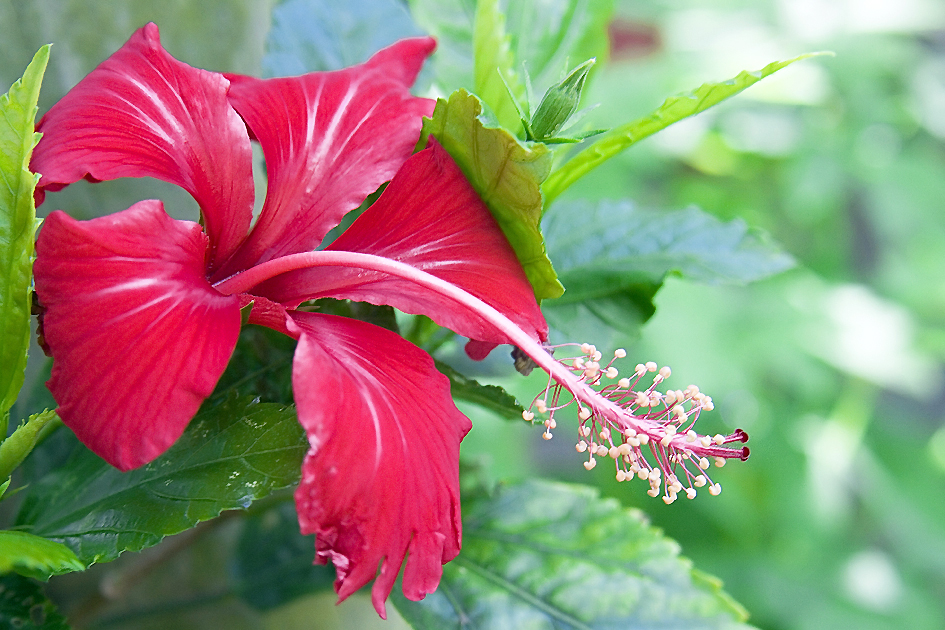


Characteristics
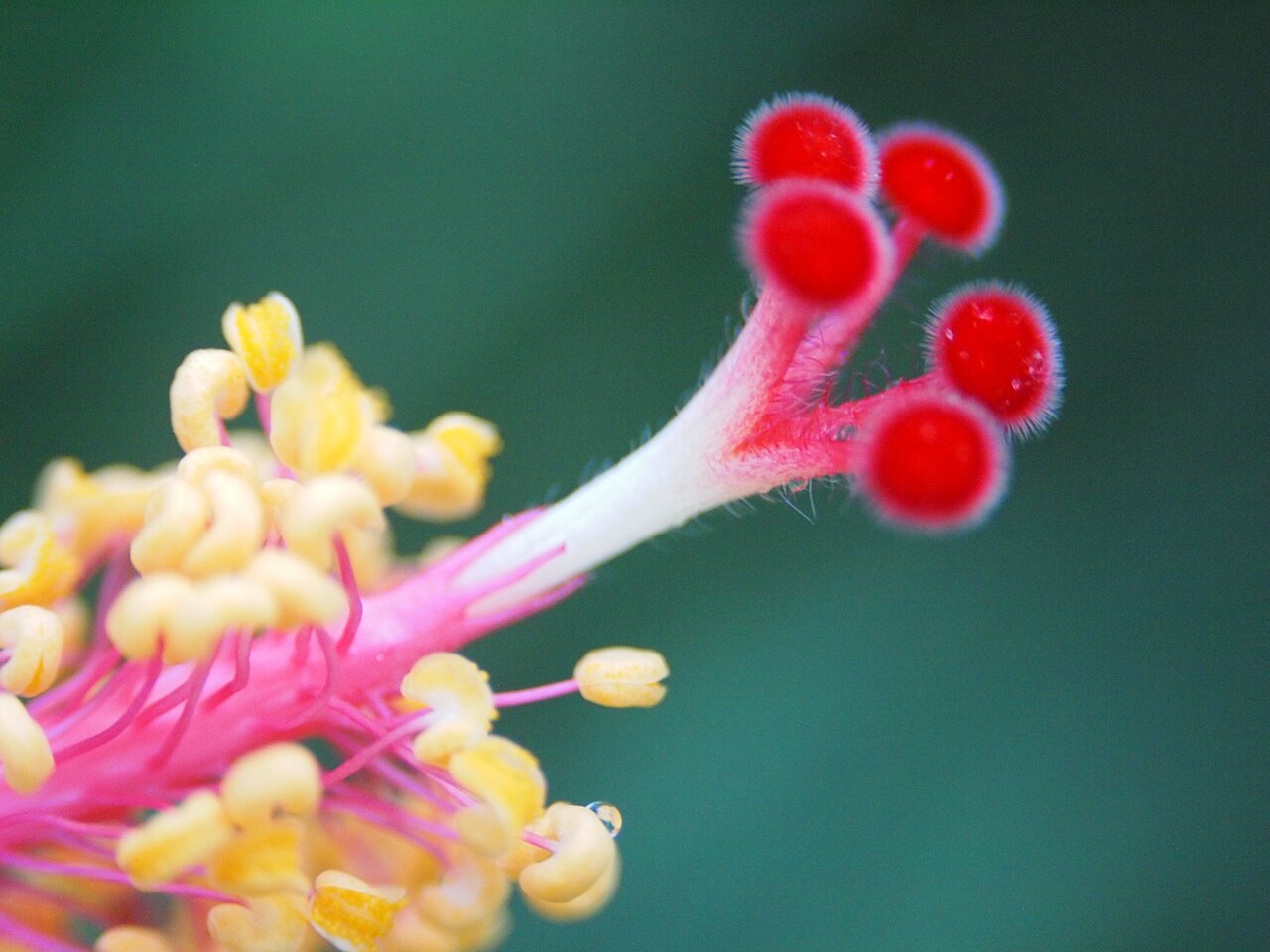
Hibiscus flowers are typically large, conspicuously colored and often have five overlapping petals, although petal number and form vary among species and cultivars. Colors range widely, from white through pink and red to purple and yellow (colours). The stamens are usually fused into a central column (a defining feature), and the fruit is generally a dry capsule containing several seeds. Leaves are simple and alternate, and growth habit varies from herbaceous plants to small trees.
Distribution, cultivation and habitat
Most hibiscus species prefer warm, sunny sites with well-drained soil; many are naturalized in coastal and tropical gardens. Some species are adapted to damp habitats such as riverbanks and marsh edges. Gardeners select hibiscus for size, bloom color, and cold tolerance; tropical hibiscus (often grown as annuals in temperate regions) differ from hardy species that survive winter in cooler zones.
Uses and examples
- Ornamental: widely cultivated for showy summer blooms and used in landscaping and containers.
- Culinary and beverage: Hibiscus sabdariffa (roselle) is used to make tart red herbal teas and syrups in many cultures.
- Traditional medicine and fiber: several species have local uses in folk medicine and some provide fibers or dyes.
Cultural significance and notable facts
Hibiscus flowers appear in art, ceremonies and national symbolism; some species have been adopted as national and state flowers. For example, certain Hawaiian varieties of hibiscus are associated with Hawaii and island imagery. Garden hybrids and named cultivars have expanded the palette of shapes and hues available to growers.
Distinctions and selection
When identifying or choosing hibiscus, note differences between tropical and hardy types, single versus double blooms, and bloom season. Although many species share the classic five-petaled look, cultivated forms may show double petals or unusual shapes. For further horticultural guidance and species lists consult specialty resources and plant databases linked below.
For general reading on the genus, taxonomy and garden care see resources indexed under genus, cultivation guides at plants portals, and pictorial flower galleries at flower collections.
Questions and answers
Q: What is hibiscus?
A: Hibiscus is a genus of plants with a flower of bright colors.
Q: In which regions does hibiscus grow?
A: Hibiscus grows mostly in the tropics, but some species grow in cool climates.
Q: Do any species of hibiscus become national/state flowers?
A: Yes, some species of hibiscus do become national/state flowers.
Q: Can you provide an example of a state flower that is a hibiscus?
A: The Hawaiian hibiscus is the state flower of Hawaii.
Q: How many petals does a typical hibiscus flower have?
A: A typical hibiscus flower usually has five petals.
Q: What are the colors of hibiscus flowers?
A: The colors of hibiscus flowers range from white to pink, red, purple and yellow.
Q: In what types of climates can hibiscus grow?
A: Hibiscus can grow in both tropical and cool climates.
Related articles
Author
AlegsaOnline.com Hibiscus (rosemallow): overview, description, uses and cultural significance Leandro Alegsa
URL: https://en.alegsaonline.com/art/44033
Sources
- commons.wikimedia.org : Hibiscus
- ars-grin.gov : "Genus: Hibiscus L"