
Oiran: high-ranking courtesans of Japan’s Edo era
Oiran were elite courtesans in Edo-period Japan known for refined arts, strict etiquette, and elaborate dress. This article explains their status, practices, historical context, decline and modern legacy.
Overview
Oiran (花魁) were highly trained courtesans who operated in regulated pleasure districts of Japan during the early modern era, especially the Edo period. Unlike lower-ranked sex workers, oiran combined companionship with accomplishments in the arts, conversation and ceremony. Their role blended commercial and cultural functions: they entertained wealthy patrons, performed, and embodied a carefully staged refinement that was both eroticized and ritualized.
Image gallery
4 Images

Characteristics and training
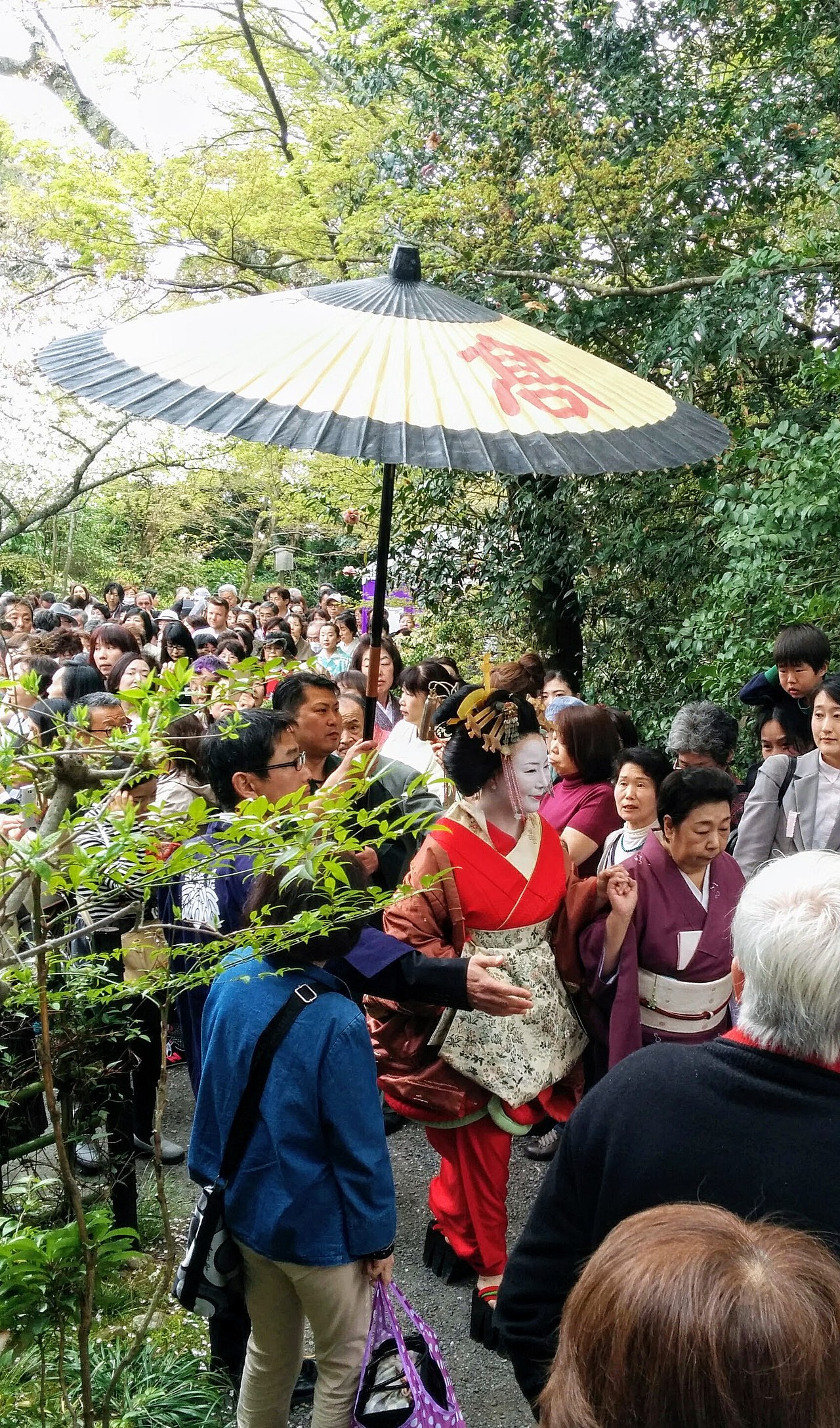
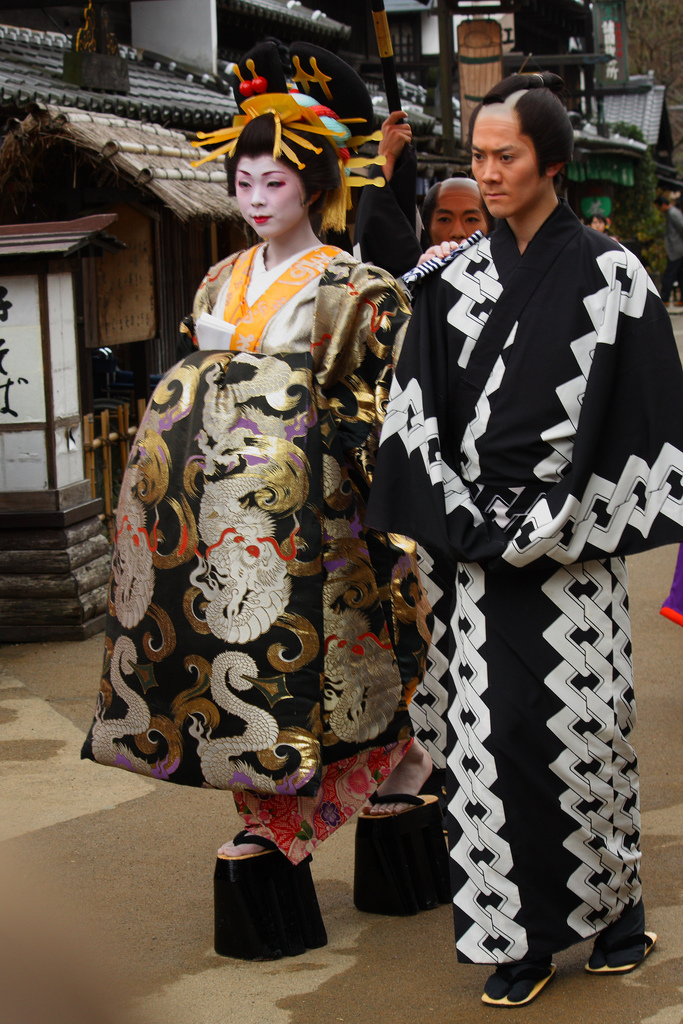
Top-ranking oiran were noted for physical beauty and for cultivated skills in music, poetry, calligraphy and social performance. They wore layered kimonos and ornate hairpieces that signaled rank and wealth; many accounts describe sumptuous and costly clothing and jewelry. Access to a high-ranking oiran often required adherence to formal rituals and strict etiquette, distinguishing them from other companions. The most prestigious among them were called tayū (太夫); these women kept attendants and retained a status closer to courtiers, sometimes entertaining only members of the elite or nobles.
Legal and social context
Under Tokugawa governance, brothels and pleasure quarters were confined to licensed yūkaku districts where regulated prostitution and related entertainments were permitted. This legal framework shaped how oiran worked: they belonged to houses in these districts and their activities formed part of an organized urban culture. Contemporary discussion of prostitution in Japan must take account of this regulated, localized system rather than modern illegal markets.
History, decline and replacement
Oiran traditions developed over centuries and reached a notable refinement in Edo (present-day Tokyo) and other cities. Over the late Edo and into the Meiji period many aspects of popular entertainment shifted. Performers known as geisha, who concentrated on widely accessible music, dance and conversation, grew in popularity because their style suited broader public tastes and changing social norms. Geisha practiced forms of entertainment that were less bound by the elaborate ritual of the high-ranking courtesan, and gradually became the more visible cultural figure in urban nightlife.
Legacy and modern practice
After legal reforms and social change in the late 19th and 20th centuries, the traditional oiran lifestyle largely disappeared. Today elements of oiran culture survive in stage reenactments, tourism, museum exhibits and in a small number of performers who study the arts and dress to preserve this intangible cultural heritage without the commercial sex function. These revivals emphasize historical dress, hairstyles and ceremonies as a way to teach and remember a complex aspect of Japan’s urban history.
Notable distinctions
- Rank: Oiran and tayū occupied graded positions; higher rank meant more elaborate display and stricter protocols.
- Function: Oiran combined artistic entertainment with paid companionship, whereas many entertainers focused solely on performance.
- Accessibility: High-ranking courtesans were often accessible only to wealthy patrons, not the general public.
- Visual signposts: Costume, hair and attendants signaled an oiran’s status in ways that differed from geisha or ordinary townspeople.
For readers seeking further detail on institutions, etiquette and specific districts, primary-source translations and museum collections offer extensive material; see specialized studies and curated exhibits for images and archival documents.
Japan context • Regulated prostitution • Beauty and presentation • Artistic training • Elite patrons • Dress and jewelry • Rituals • Etiquette • Geisha • Entertainment forms • Cultural heritage
Related articles
Author
AlegsaOnline.com Oiran: high-ranking courtesans of Japan’s Edo era Leandro Alegsa
URL: https://en.alegsaonline.com/art/72157