
Oil spill: causes, impacts, response, and prevention
An overview of oil spills: how they occur, how oil behaves in water, environmental and economic effects, major incidents, response techniques, and prevention measures.
An oil spill is the release of liquid petroleum into the environment, most often into bodies of water. It is a form of pollution that affects the environment and is usually discussed in the context of marine settings such as coasts, estuaries and open sea, but inland lakes and rivers can be contaminated as well. Spills vary widely in scale and character: some produce a thin sheen that can spread over large areas, others create viscous tarballs or floating slicks that persist near shorelines.
Image gallery
10 Images






How oil behaves and why it matters
When oil enters water it undergoes physical and chemical changes collectively called weathering: spreading, evaporation of light components, emulsification (forming ‘‘mousse’’), dissolution of soluble fractions, and sedimentation of heavy residues. The density, viscosity and composition of the released oil—whether light crude, heavy fuel oil, or refined products—determine how rapidly these processes occur and how the oil affects habitats. In the short term, surface oil can coat the feathers of birds and the fur of marine mammals, reducing insulation and buoyancy; some components are also toxic if ingested or absorbed. Over months to years, residues may smother benthic communities, contaminate sediments and bioaccumulate in food webs.
Common causes and examples
- Tanker and ship groundings or collisions that rupture hulls or cargo tanks.
- Pipelines, terminals and storage-tank leaks on land and at sea.
- Operational discharges and accidental releases during loading, bunkering or maintenance.
- Accidents during offshore drilling and production activities.
- Natural oil seeps that release hydrocarbons over long periods (not always categorized as pollution).
Response techniques and trade-offs
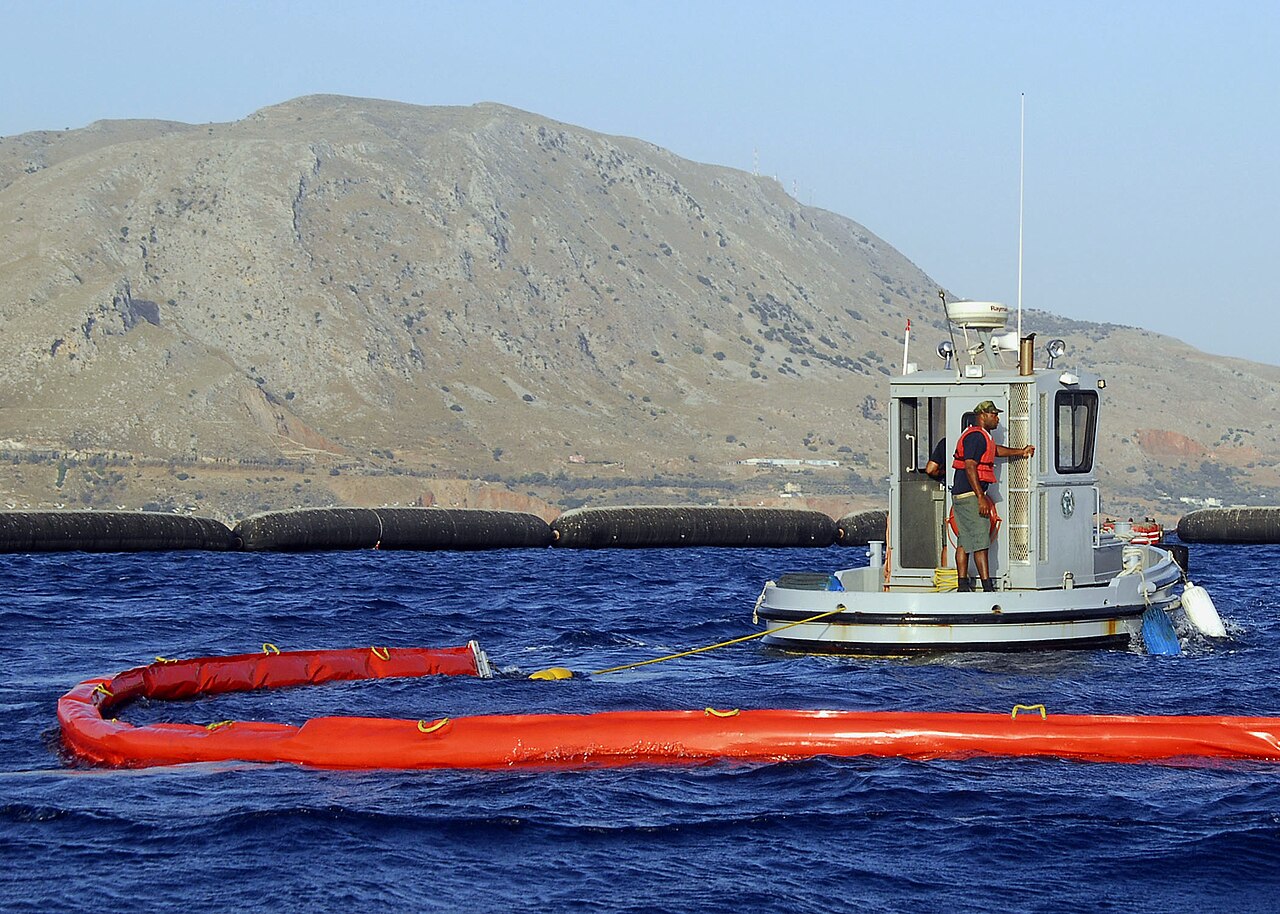
Authorities and responders combine physical, chemical and biological methods to limit damage and remove oil. Common tools include:
- Containment booms to concentrate surface oil and protect sensitive shorelines.
- Skimmers to recover oil from the water surface for storage and disposal.
- Chemical dispersants that break slicks into small droplets to promote dilution and biodegradation; dispersants can reduce surface impacts but increase water-column exposure to toxic components.
- In‑situ burning to remove oil when conditions allow, which yields air emissions and residual residues.
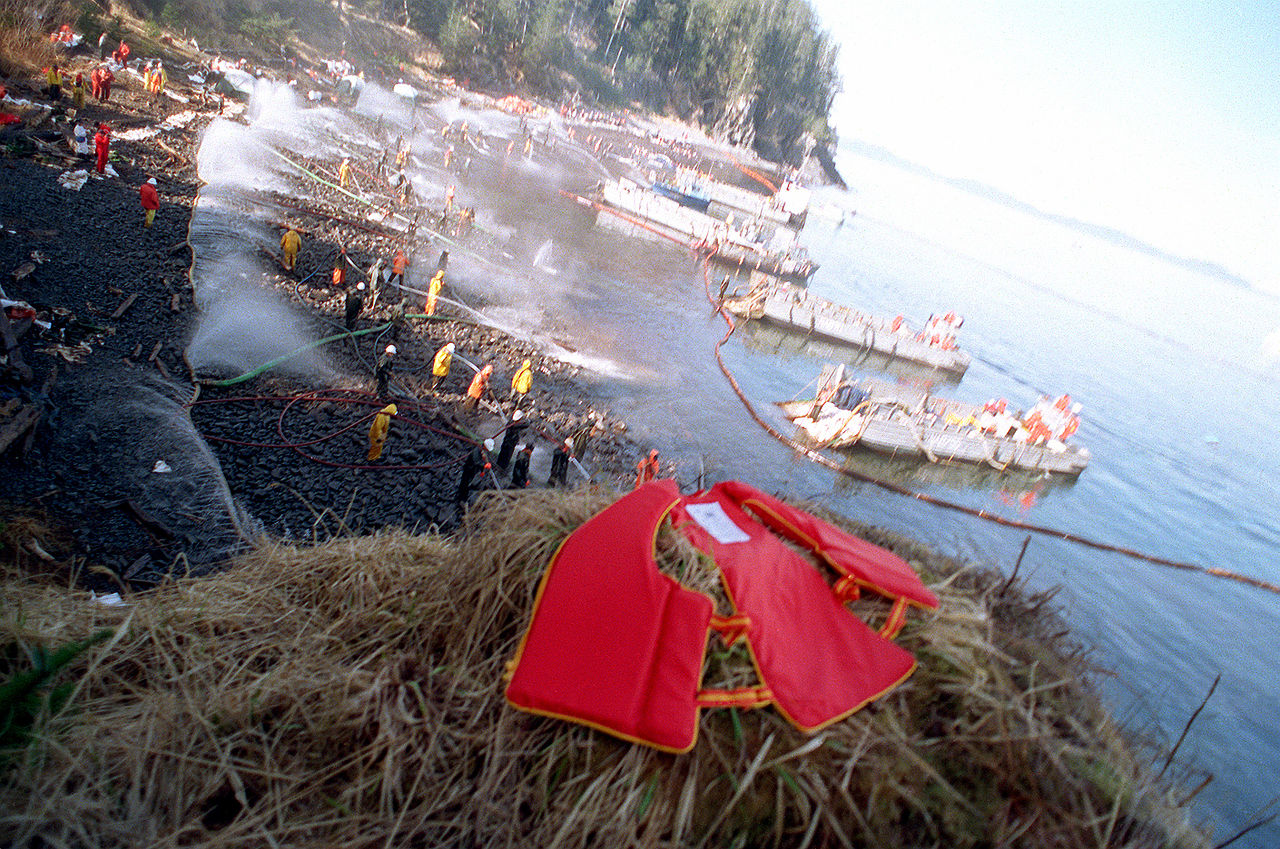
- Bioremediation and microbial degradation, often used to treat shorelines and soils over longer timeframes.
Impacts, recovery and long-term concerns
Immediate ecological effects include mortality, reproductive failure and habitat loss for sensitive species. Economies that rely on fisheries, aquaculture and tourism can suffer significant short-term losses. Some ecosystems recover within years, but persistent contamination of sediments or slow recolonization of key species can cause decades-long effects. Cleanup itself can cause additional disturbance to intertidal zones; decisions about aggressive shoreline cleanup balance ecological benefits against further habitat damage.
History, notable incidents and prevention
Modern awareness of oil-spill consequences increased after well-known accidents, whose names are now used as case studies in response planning. Those events highlighted deficiencies in regulation, ship design and spill-coordination practices. Modern prevention focuses on stricter operational rules, improved vessel construction (for example, double hulls), pipeline monitoring, emergency preparedness exercises and international cooperation. Scientific advances in detection, modeling of slicks and ecological monitoring continue to shape more effective and less damaging responses.
Because oil spills sit at the intersection of industry, regulation and ecology, responses blend engineering, chemistry and biology and require trade-offs. Continued emphasis on prevention, rapid response and evidence-based restoration helps reduce the frequency and severity of future spills while guiding recovery of affected ecosystems.
Related articles
Author
AlegsaOnline.com Oil spill: causes, impacts, response, and prevention Leandro Alegsa
URL: https://en.alegsaonline.com/art/72150