
Over-harvesting: causes, impacts and approaches to sustainable use
Over-harvesting occurs when natural resources are removed faster than they can regenerate. This article explains causes, examples, ecological and social impacts, and approaches to management and restoration.
Over-harvesting is the removal of biological or physical resources from an environment at a rate that exceeds the system's capacity to recover. It can affect land, freshwater and marine systems and includes practices such as intensive farming, excessive grazing, commercial fishing, and unsustainable abstraction of fresh water. When extraction outpaces regeneration, the result is depleted soils, reduced vegetation cover, lower wildlife populations and altered hydrology.
Image gallery
10 Images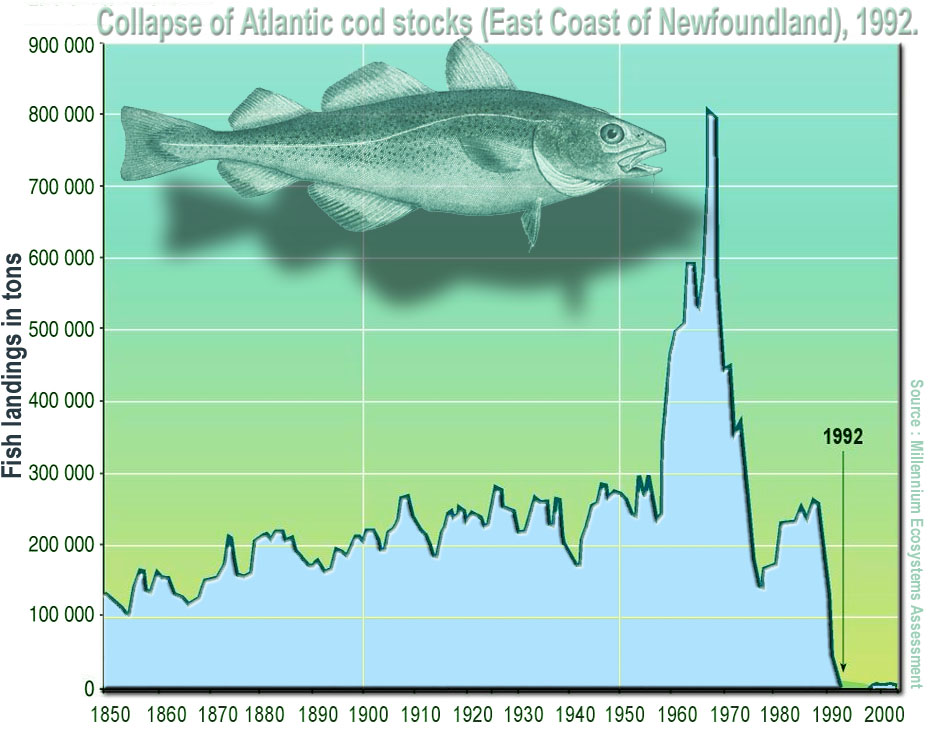



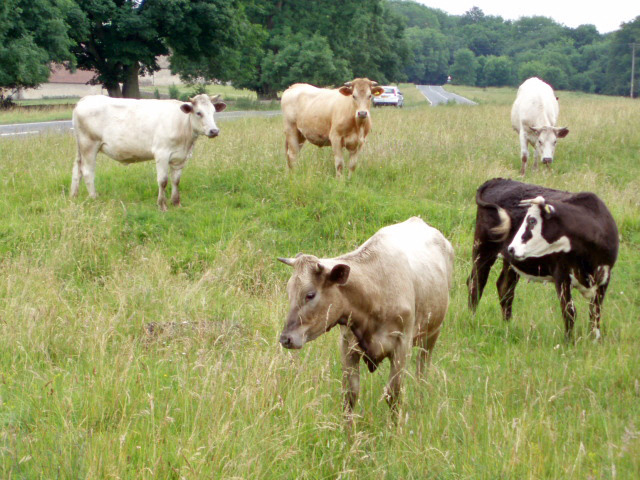
Typical forms and examples
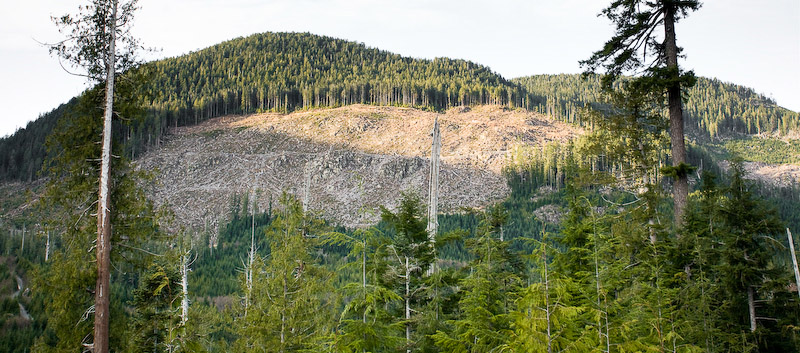
Common manifestations of over-harvesting include the clearing of forests and draining of wetlands for agriculture or development, prolonged groundwater pumping that lowers water tables, and the persistent removal of animals beyond sustainable limits. Wildlife losses may reduce biodiversity and simplify a community; damage to habitats makes recovery slow and uncertain. Effects on fauna and flora are hard to reverse and often cascade through food webs, harming both animals and people who rely on the same resources.
Impacts on populations, species and ecosystems
At the population level, repeated or widespread harvesting can lower population sizes and increase the risk of local extinctions of species. Fisheries are a familiar example: overfishing reduces stock sizes and can collapse local fisheries, disrupt food chains and reduce catch quality. Terrestrial hunting and collection are managed in many places with seasons and limits—restrictions that protect animals during breeding—but enforcement varies. In some jurisdictions (for example, parts of the United Kingdom) certain practices such as taking wild bird eggs are prohibited to avoid further pressure on populations.
- Examples of pressure: logging for agricultural land, intensive pasture use, and recreational or commercial hunting of species like deer in unmanaged contexts.
- Indirect effects: loss of wetlands reduces natural water filtration and flood mitigation; deforestation increases erosion and carbon release.
Drivers of over-harvesting include growing demand for food, fuel and land, technological advances that increase extraction efficiency, weak property rights and inadequate regulation. Large-scale demographic and economic trends, sometimes summarized as overpopulation or expanding consumption, raise demand for resources. When common-pool resources are open to many users without effective controls, individual incentives can lead to collectively harmful outcomes—a dynamic often called the tragedy of the commons.
Management, prevention and restoration
Responses combine law, community management and ecological measures. Legal protections, protected areas and seasonal limits help reduce pressure; community-based resource governance and market measures such as certification can align use with sustainability. Restoration options include replanting, wetland rehabilitation and regulated rest periods for exploited stocks. Conservation initiatives and scientific monitoring are used to adjust harvest rules as conditions change; however, success depends on enforcement, local participation and addressing underlying social and economic drivers of overuse. For further reading, see materials on sustainable agriculture, fisheries management and conservation policy: ecosystem approaches, conservation strategies and practical resource planning (wetlands, fisheries).
Effective responses recognize that short-term gains from over-harvesting often produce long-term costs shared across society. Combining science-based limits, incentives for stewardship and alternatives to destructive extraction provides the best prospects for sustaining both nature and livelihoods.
Questions and answers
Q: What is over-harvesting?
A: Over-harvesting is when more resources are taken from the land or sea than can be replaced. This includes extreme farming, grazing, fishing and using fresh water.
Q: How does over-harvesting harm nature?
A: Over-harvesting harms nature by destroying forests or wetlands which are hard to replace, damaging ecosystems and causing animal populations to drop and species to become extinct.
Q: What measures have been put in place to protect wildlife from over-harvesting?
A: Measures have been put in place such as only allowing fishing, shooting deer or birds at certain times of the year during mating season when they reproduce and lay eggs or have young. Areas of especial natural beauty or scientific interest are also protected. In the United Kingdom it is illegal to take bird eggs.
Q: What is the tragedy of the commons?
A: The tragedy of the commons refers to a situation where a few people gain but everyone shares in the cost due to overpopulation wanting land for other purposes resulting in destruction of natural resources like forests.
Q: How does overpopulation contribute to this tragedy?
A: Overpopulation contributes by wanting land for other purposes resulting in destruction of natural resources like forests which causes a few people gain but everyone shares in the cost due to this destruction.
Q: Is there any way that we can prevent this tragedy from happening?
A: Yes, one way we can prevent this tragedy from happening is by implementing conservation efforts such as protecting areas with special natural beauty or scientific interest and limiting activities such as fishing, shooting deer or birds at certain times of the year during mating season when they reproduce and lay eggs or have young.
Related articles
Author
AlegsaOnline.com Over-harvesting: causes, impacts and approaches to sustainable use Leandro Alegsa
URL: https://en.alegsaonline.com/art/73699
Sources
- doi.org : 10.1126/science.1113075
- pubmed.ncbi.nlm.nih.gov : 15947186