
Yokosuka MXY-7 Ohka (piloted rocket attack aircraft)
The Yokosuka MXY-7 Ohka was a Japanese piloted rocket-powered attack aircraft used in late World War II as a manned flying bomb. It was carried to launch range by a bomber and released for a final high-speed attack.
Overview
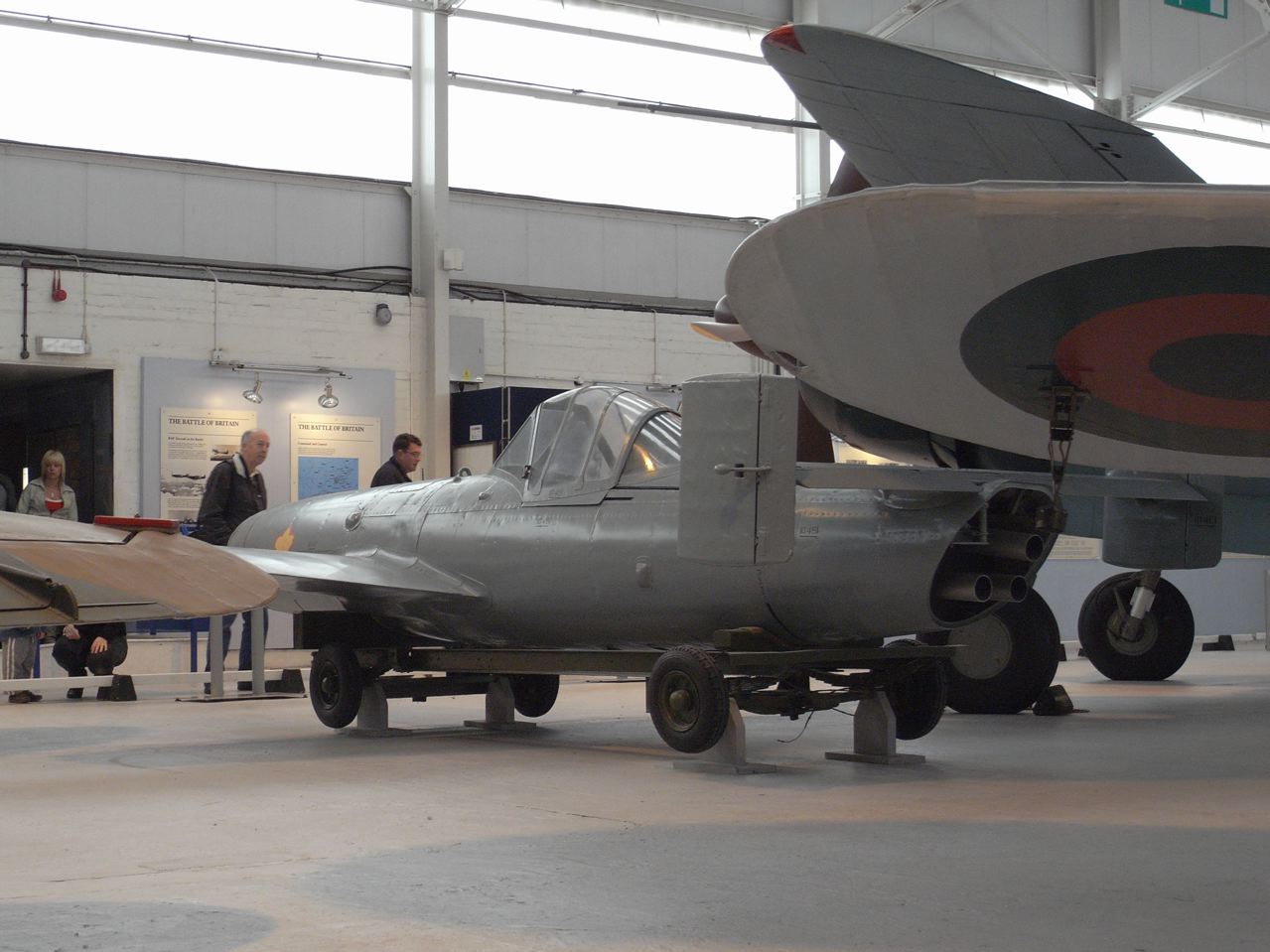
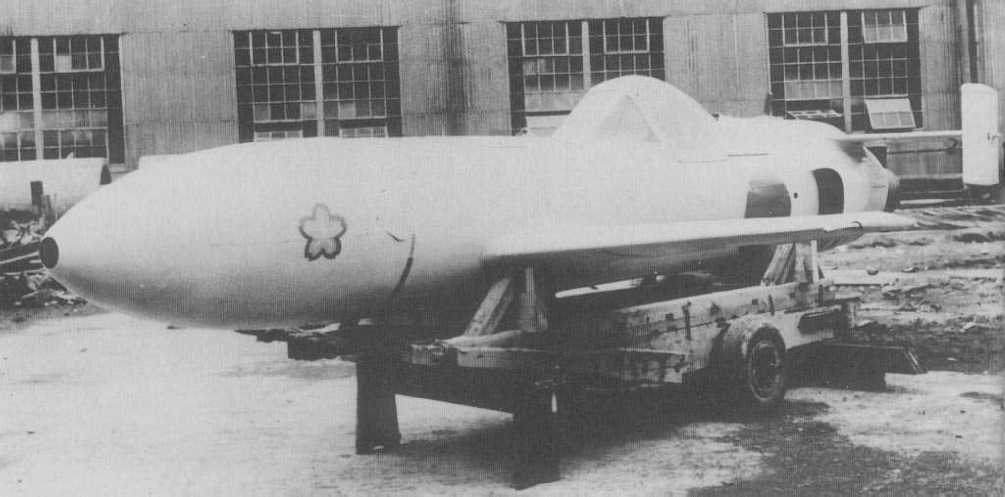
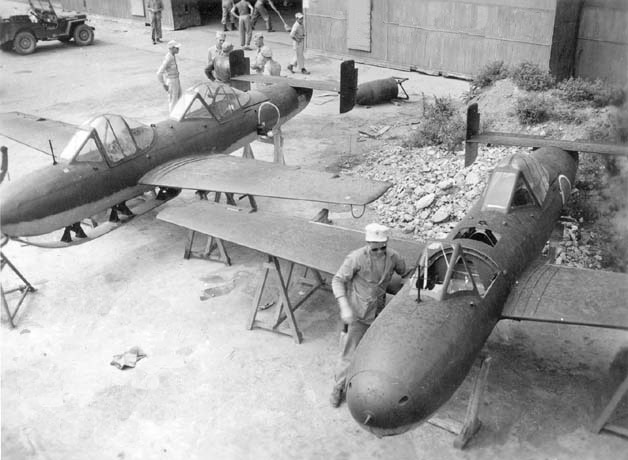
The Yokosuka MXY-7 Ohka (桜花, "cherry blossom") was a small, rocket-powered piloted attack aircraft developed by the Imperial Japanese Navy in the final months of World War II. Conceived as a manned flying bomb to be guided directly into enemy ships, it formed part of Japan's broader kamikaze tactics. Allied crews and intelligence often referred to the weapon by the nickname Baka, a Japanese word noted by translators as meaning "fool".
Image gallery
10 Images




Design and characteristics
The Ohka was designed to be carried under a larger bomber and released within striking distance of a target. It had a cockpit for a single pilot, a warhead in the nose and rocket propulsion that provided rapid acceleration in the final dive. This combination produced very high terminal speeds that made interception and defensive fire difficult during the terminal phase.
- Type: piloted, rocket-propelled attack aircraft (manned missile)
- Launch method: air-launched from a carrier bomber such as the type frequently used by the Japanese Navy bomber.
- Purpose: direct impact on enemy ships in suicide attacks (kamikaze style)
Development and context
Developed by the Navy's technical bureaus and designated MXY-7, the Ohka emerged as Japan faced overwhelming Allied naval and air superiority. The concept prioritized assured delivery of an explosive charge over pilot survival, reflecting the strategic situation and the cultural and military ethos of the period. Its development is part of the wider story of late-war Japanese weapons innovation as the Empire of Japan sought measures to blunt Allied advances during World War II.
Operational use and effectiveness
Operationally, Ohkas were carried by bombers to release point and then guided by the pilot toward targets at sea. Records indicate a limited but real impact: attacks attributed to Ohkas resulted in several Allied ships being sunk and others heavily damaged. The weapon’s practical limitations included the need to get the carrier bomber within range, vulnerability of the carrier aircraft to interception, and limited numbers available.
Legacy and notable facts
The Ohka remains one of the more distinct examples of a piloted weapon system and of the kamikaze era. It illustrates technical attempt to combine rocket propulsion and human guidance to defeat shipboard defenses. For background on the name and technical category see name and meaning, and for broader discussions of rocket-powered aircraft and suicide tactics consult sources on rocket aircraft and wartime strategy. For contemporary Allied perspectives and reports use materials referenced by kamikaze studies and US wartime analyses (United States). Additional historical summaries and analyses can be found through archival and specialized collections on World War II and naval aviation histories (language notes) and (bomber operations).
Related articles
Author
AlegsaOnline.com Yokosuka MXY-7 Ohka (piloted rocket attack aircraft) Leandro Alegsa
URL: https://en.alegsaonline.com/art/72131