
Operation Sea Lion: Nazi Germany’s 1940 plan to invade Britain
Operation Sea Lion (Unternehmen Seelöwe) was Nazi Germany’s contingency plan to cross the English Channel and invade the United Kingdom in 1940. It was never carried out after German air and naval setbacks.
Overview
Operation Sea Lion (German: Unternehmen Seelöwe) was the codename for Nazi Germany's proposed invasion of the United Kingdom during World War II. Conceived in the wake of France's collapse in 1940, the plan envisaged amphibious landings across the English Channel to secure bridgeheads on the British coast. Launch depended on German commanders gaining temporary supremacy over both sea and air approaches to prevent the Royal Navy and British air forces from disrupting the crossings.
Image gallery
9 Images



Planning, aims and components
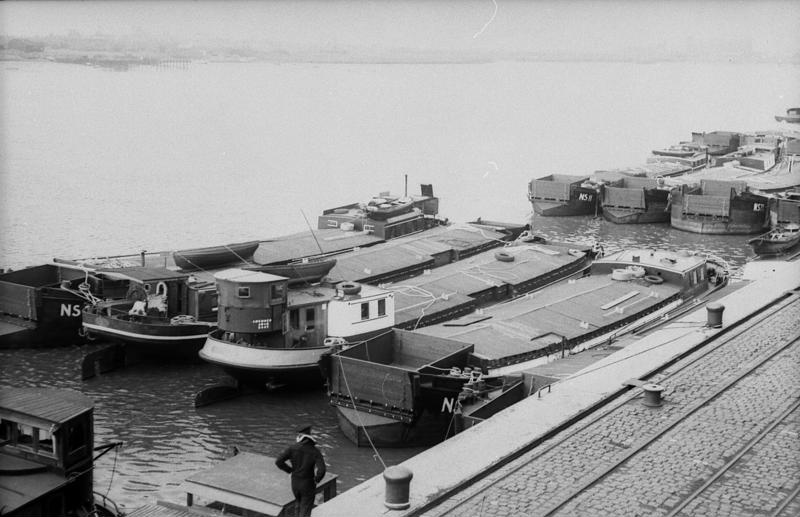
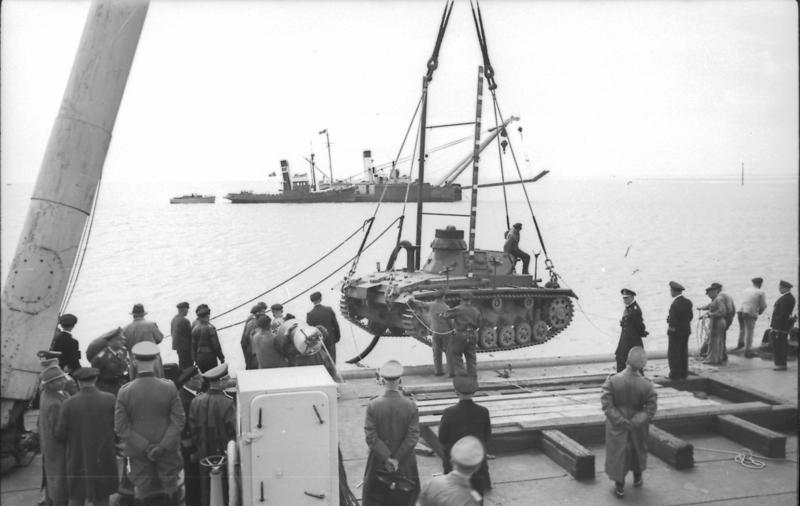
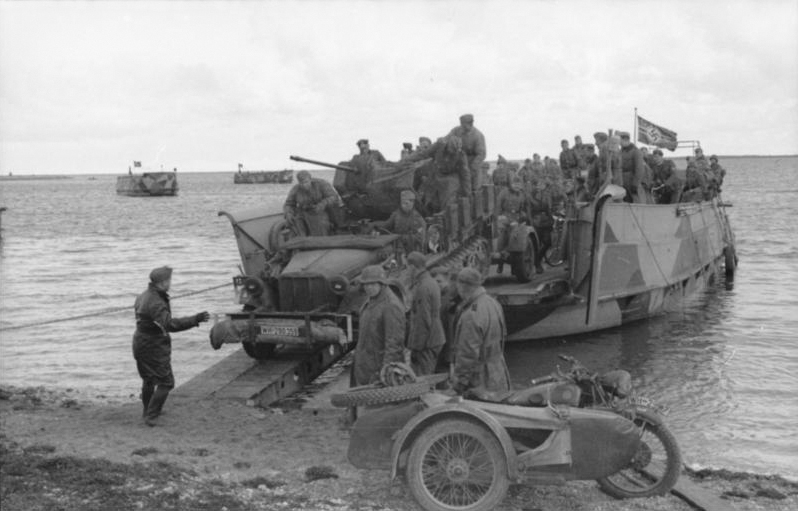
Preparation for Sea Lion involved the German high command, including the army and the Kriegsmarine, with air support planned from the Luftwaffe. Rather than a single detailed operation, Sea Lion remained a series of contingency plans and draft orders that set out objectives, landing zones and logistical arrangements.
- Principal aims: seize ports and beaches, neutralize coastal defenses, and advance inland to force a British surrender or armistice.
- Key components: improvised landing craft and barges, escort vessels, airborne-support concepts and coordinated air strikes.
- Organizational roles: Heer (army) for landings and follow-up, Kriegsmarine for transport and escort, and the Luftwaffe for air cover and interdiction.
Why the invasion did not occur
The operation was contingent on German control of the Channel and the skies above it. In mid-1940 the Kriegsmarine was already weakened by other operations and could not guarantee convoy protection. The Luftwaffe failed to achieve decisive air superiority during the Battle of Britain, and continued RAF resistance made safe crossings unlikely. On 17 September 1940 the German leadership formally postponed Sea Lion; subsequently strategic attention shifted to other theaters.
British preparations and obstacles
British defenses complicated any invasion attempt. Coastal fortifications, mobile reserves, radar coverage, the Royal Navy's surface fleet and convoy escorts, and the mobilization of local defense forces all raised the risks for an attacker. Logistical difficulties—tidal conditions in the Channel, the lack of purpose-built landing craft, and the need to supply and reinforce troops across open water—added further practical hurdles.
Legacy and historical significance
Operation Sea Lion never reached execution and remains an important case study in military planning. Historians view its cancellation as evidence of the centrality of air and naval superiority to amphibious operations and of the limits of German power in 1940. The operation’s planning documents and hypothetical scenarios have informed later analyses of invasion doctrine and the interplay between strategic objectives and operational capability.
For further reading see archival studies and contemporary analyses that treat Sea Lion as both a strategic threat of 1940 and a 'what-if' that shaped Allied defensive preparations.
Nazi Germany context and the wider war are essential to understanding Sea Lion’s place in 1940 strategy; see also general works on the World War II timeline and the maritime campaigns in and around the English Channel.
Primary aspects of the plan involved coordination among army, navy and air forces—especially the Luftwaffe—and were decisively shaped by events in the Battle of Britain and earlier naval operations. For the German perspective, consult documents labeled Unternehmen Seelöwe and strategic analyses related to the period.
Sea Lion remains a widely studied cancelled operation, central to debates about invasion feasibility, combined-arms planning and the strategic limits that determined the course of the war in western Europe.
Questions and answers
Q: What was Operation Sea Lion?
A: Operation Sea Lion was a plan devised by Nazi Germany to invade the United Kingdom during World War II.
Q: When did the plan for Operation Sea Lion begin?
A: The plan for Operation Sea Lion began in 1940.
Q: Why did Germany have to control the sky and sea of the English Channel before the land invasion?
A: Germany had to control the sky and sea of the English Channel before the land invasion because it was the only way to ensure safe passage for their troops and equipment.
Q: When was Operation Sea Lion put off and why?
A: Operation Sea Lion was put off on 17 September 1940 because Germany's navy had been weakened during the invasion of Norway, and its air force was defeated in the Battle of Britain.
Q: Did Operation Sea Lion ever happen?
A: No, Operation Sea Lion never happened.
Q: What was the purpose of Operation Sea Lion?
A: The purpose of Operation Sea Lion was to invade the United Kingdom and defeat the Allied forces during World War II.
Q: Why was Operation Sea Lion cancelled?
A: Operation Sea Lion was cancelled because Germany's navy had been weakened during the invasion of Norway, and its air force was defeated in the Battle of Britain, making the plan unfeasible.
Related articles
Author
AlegsaOnline.com Operation Sea Lion: Nazi Germany’s 1940 plan to invade Britain Leandro Alegsa
URL: https://en.alegsaonline.com/art/72825