
Operation Mincemeat
A 1943 British deception operation in World War II that used a dead body and false documents to mislead German planners about Allied invasion plans, contributing to the success of the Sicily landings.
Overview
Operation Mincemeat was a British intelligence deception carried out in 1943 during World War II. The plan aimed to mislead German military planners about the Allies' intended invasion target. By presenting false intelligence embodied in a corpse given a convincing identity, the British sought to make the enemy divert forces away from the actual objective.
Image gallery
10 Images




How the deception worked
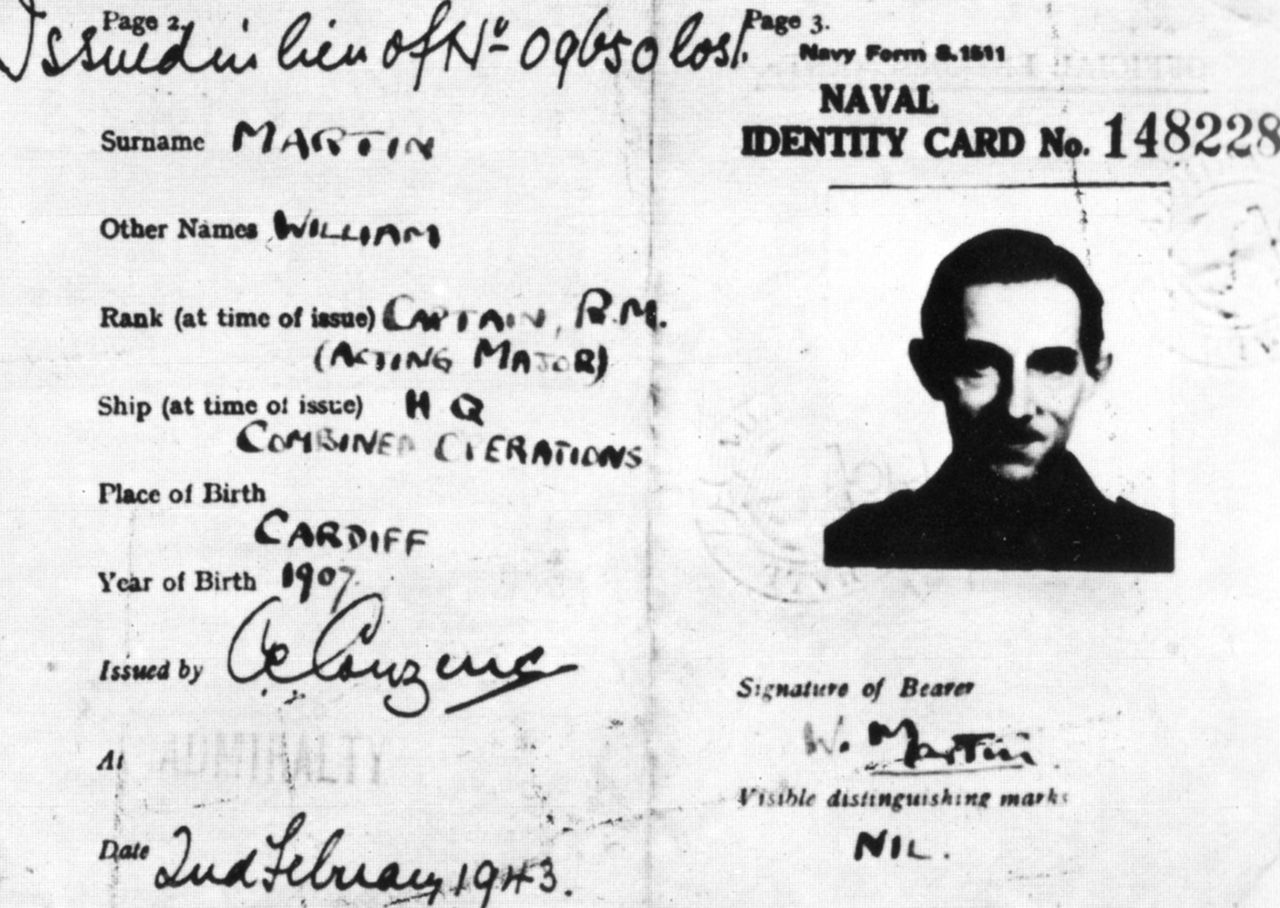
Planners created a complete fictional persona for the dead man and equipped him with documents and personal effects that suggested alternative invasion targets. Key elements included:
- an assumed name and military rank
- plausible personal papers, letters and receipts
- naval dispatches and forged plans indicating landings elsewhere
- a carefully staged discovery so enemy intelligence would obtain copies
Planning and people involved
The operation was devised by British intelligence officers, notably Ewen Montagu and Charles Cholmondeley, who worked to ensure the story's internal consistency. The corpse was given the name "Major William Martin," and historians generally accept that the body used belonged to Glyndwr Michael, a man who died in Britain and whose identity was repurposed for the ruse.
Execution and outcome
The body was set adrift off the Spanish coast where local officials and, subsequently, German agents had access to the papers. German high command accepted the false evidence that suggested Allied landings would occur in Greece and Sardinia rather than in Sicily. This helped reduce resistance at the actual invasion, Operation Husky, in July 1943.
Impact and legacy
Operation Mincemeat is considered one of the most successful single deceptions of the war and is often cited in studies of military intelligence and psychological operations. It demonstrated the value of detailed tradecraft, careful storytelling and exploiting neutral or ambiguous channels to influence enemy decisions.
Notable facts and later portrayal
The story inspired books and films and has prompted discussion about the ethical and legal questions of using a corpse for covert purposes. For further reading on Allied deception efforts or Axis reactions, see works that place this action within broader campaigns such as Operation Barclay and wider strategic deception programs. More detailed archival accounts are available through official histories and specialist studies by intelligence historians.
Related links: Allies and Axis powers.
Related articles
Author
AlegsaOnline.com Operation Mincemeat Leandro Alegsa
URL: https://en.alegsaonline.com/art/72821