
Light Pollution: Causes, Effects, and Ways to Reduce It
Light pollution is the excessive or misdirected artificial light that degrades night skies, disrupts ecosystems and human circadian cycles, wastes energy, and impedes astronomy.
Overview: Light pollution refers to unwanted, excessive, or poorly directed artificial light that alters the natural nighttime environment. It is considered a form of environmental pollution because it produces adverse effects on people, wildlife, and the visibility of the night sky. Many authorities treat light pollution alongside other environmental concerns and offer guidance on mitigation; see related material on pollution.
Image gallery
10 Images
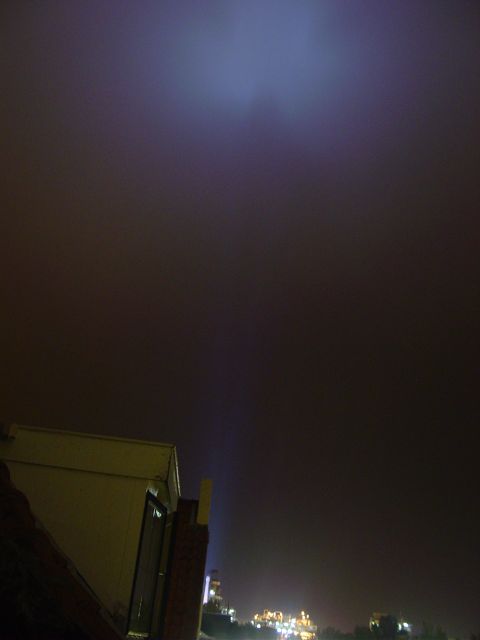





Forms and characteristics
Light pollution appears in several recognizable forms: skyglow (the brightening of the night sky over populated areas), glare (excessive brightness that causes visual discomfort), light trespass (unwanted light spilling onto neighboring properties), and clutter (concentrated groups of bright lights, such as in urban centers). The spectral content of light matters: blue-rich lighting scatters more in the atmosphere and tends to intensify skyglow and biological impacts.
Impacts on nature and people
Artificial night lighting affects many species of animals and plants by disrupting natural cycles of activity, reproduction and migration. Nocturnal insects, sea turtles, migrating birds and some mammals are particularly vulnerable to disorientation and changed behaviors. Humans are also affected: exposure to light at night can alter circadian rhythms and sleep quality. Scientific and conservation communities document these biological effects and advocate for sensitive lighting practices; see studies on affected species.
History and technology
Light pollution grew with widespread electrification and urban expansion. Early gas and filament lighting produced localized glow; modern high-intensity and blue-rich LED lighting has expanded reach and changed spectral characteristics. Advances in lamp design and controls, however, now enable more targeted illumination that can reduce waste and nighttime impacts.
Consequences and costs
Beyond ecological harm and reduced quality of life, light pollution represents an inefficiency in energy use. Estimates place the economic burden of wasted outdoor lighting in the billions annually in some countries, and many programs aim to cut those losses through better design and regulations. Public awareness has grown through astronomy, conservation campaigns and urban planning initiatives; policy tools range from fixture standards to curfews and ordinances. For economic context, see assessments that quantify national losses related to light pollution.
Mitigation and best practices
Reducing light pollution relies on simple engineering and policy measures: using fully shielded fixtures that direct light downward, choosing lower-intensity and warmer-color lamps, applying timers and motion sensors, and avoiding overlighting. Communities can create dark-sky preserves and adopt lighting codes to balance safety, functionality and environmental protection. These steps preserve night skies for astronomy, protect ecosystems, improve human sleep health and reduce energy waste.
- Key actions: shielded fixtures, warmer color temperatures, dimming, curfews.
- Stakeholders: municipal planners, lighting manufacturers, conservationists, astronomers.
Questions and answers
Q: What is light pollution?
A: Light pollution is defined as the adverse effect of man-made lights, which usually means too much light.
Q: Who is affected by light pollution?
A: Several species, including plants and humans, are badly affected by light pollution.
Q: Is light pollution a type of pollution?
A: Yes, light pollution is a type of pollution.
Q: How do people usually react to the issue of light pollution?
A: Most people have never heard of light pollution, and those who have usually don't care or do anything about it.
Q: What is the economic impact of light pollution?
A: Light pollution costs Americans billions of dollars every year.
Q: Can light pollution affect plants?
A: Yes, light pollution can adversely affect plants.
Q: Is light pollution a serious environmental issue?
A: Yes, light pollution is a serious environmental issue that can have negative effects on both humans and other species.
Related articles
Author
AlegsaOnline.com Light Pollution: Causes, Effects, and Ways to Reduce It Leandro Alegsa
URL: https://en.alegsaonline.com/art/57940