
Old Melbourne Gaol — history, design, notable events and museum
19th-century bluestone prison in central Melbourne, Victoria, notable for its Pentonville-inspired layout and high-profile executions, including Ned Kelly (1880). Closed 1929; now operated as a museum and heritage site.
The Old Melbourne Gaol is a prominent 19th-century penal complex close to central Melbourne in the Australian state of Victoria. Erected in stages from the 1850s, the heavy bluestone buildings became the colony’s first large-scale prison and the site of many executions. Located on a raised site at the city edge, the gaol’s fabric and layout reflect mid‑Victorian ideas about incarceration and reform. Today the surviving buildings function as a public museum that interprets the site’s penal, social and urban history within Australia.
Image gallery
9 Images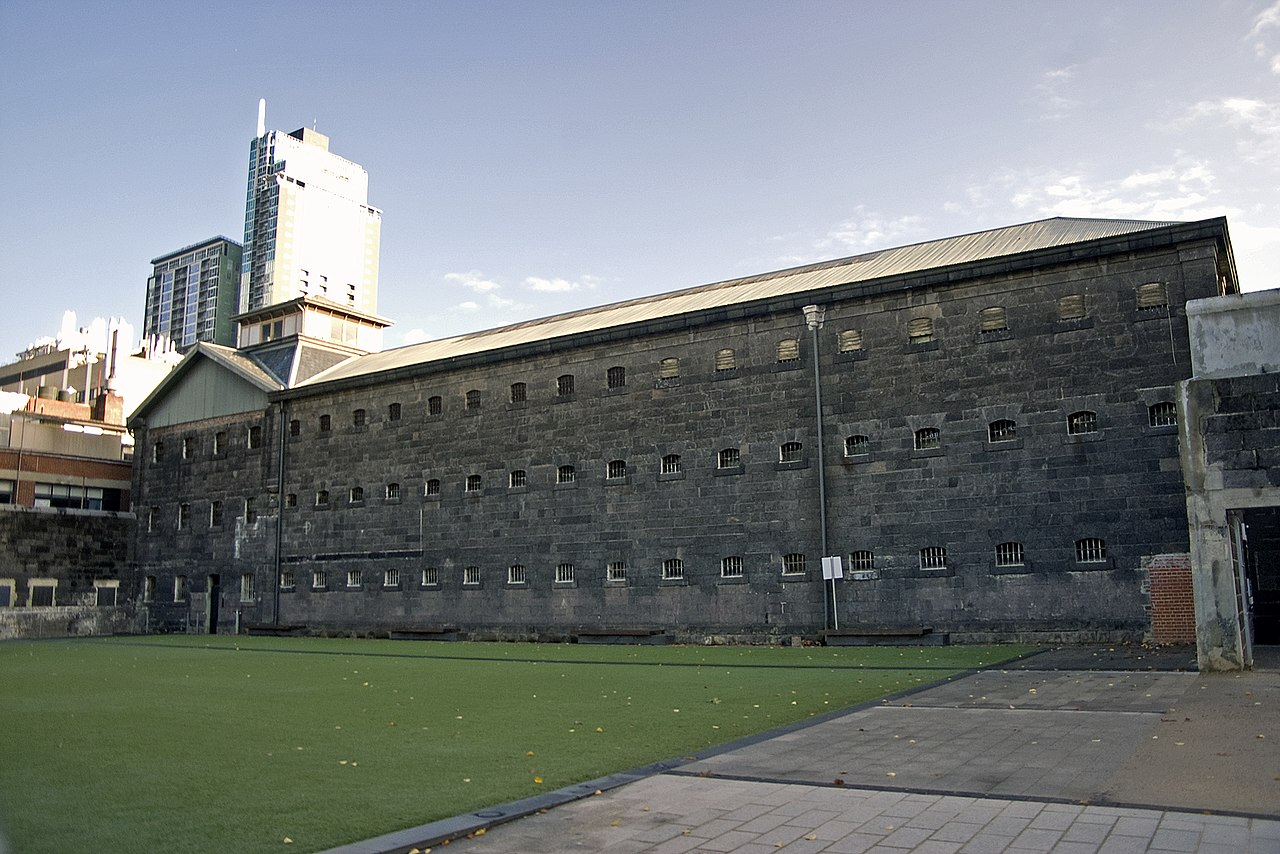



Design principles and materials
The gaol was influenced by British prison reforms of the period and drew on elements of the Pentonville-style approach to confinement, which emphasised individual cells, surveillance and separation of prisoners. The complex included separate cell wings, a central hall, a chapel and ancillary service buildings. A substantial outer wall of bluestone enclosed the site to isolate inmates from the surrounding street pattern. Internal arrangements originally provided small single cells, infirmary space, workshops and accommodation for prison staff and their families.
Construction and development
Melbourne’s first small lockups dated from the late 1830s, but rapid population growth in the 1850s led to construction of a much larger gaol. Building proceeded in phases over more than a decade, adding wings and completing the perimeter wall as needs and design thinking evolved. The site also included domestic buildings for warders, a chief warden’s house and a hospital block, underlining the institution’s role as a self-contained complex within a growing colonial city.
Life inside the gaol
Conditions in the gaol reflected prevailing penal practices: confinement, regulated routines, work and varying regimes for remand, debtors and convicted prisoners. Over the decades authorities introduced changes in diet, sanitation and medical provision, but overcrowding and the limitations of an inner‑city site became recurring concerns. Reports during the late 19th century recommended moving prisoners to more suitable facilities as penal theory and administrative needs shifted.
Executions and notable prisoners
The gaol is widely remembered for the executions carried out there during the colonial period. The most famous execution was the hanging of the bushranger Ned Kelly in 1880, an event that has entered Australian popular memory and has been the subject of extensive interpretation at the site. Other prisoners held at the gaol included a range of criminal cases typical of the era; the place serves as a reminder of how capital punishment and criminal justice operated in 19th‑century Victoria.
Decline, closure and wartime reuse
By the early 20th century the central city location and ageing fabric made the gaol less suitable for modern penal requirements. The facility formally ceased operating as a prison in 1929. During World War II parts of the complex were requisitioned for military detention of Australian soldiers, and in the post‑war years some buildings were used for storage and administrative purposes by the Victoria Police.
Demolition, conservation and museum development
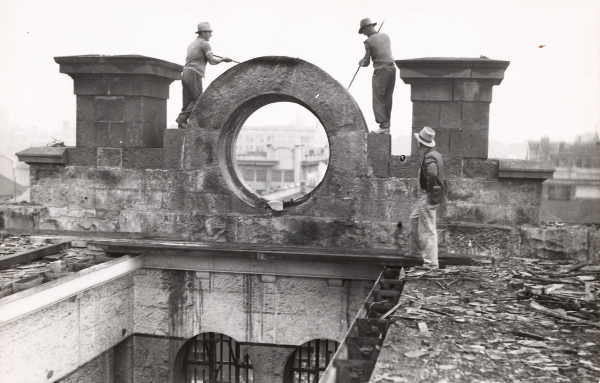
Over time some sections of the original complex were removed to make way for urban development and institutional expansion nearby. From the late 20th century onwards surviving buildings were progressively conserved and adapted for public access. Heritage bodies and community groups worked to stabilise the bluestone fabric and to present the site with historical interpretation that balances respect for victims of crime with explanation of the wider social context.
Interpretation, collections and public programs
As a museum the Old Melbourne Gaol offers restored cells, exhibition galleries, guided tours and educational programs aimed at schools, researchers and general visitors. Exhibits explore daily life in the gaol, the legal processes of the era, stories of inmates and staff, and the changing practices of punishment. Special events and evening tours examine themes such as crime, law and popular responses to notorious figures, while conservation work continues to address the long‑term preservation of the bluestone structures.
Significance and legacy
The site is significant for its architecture, for illustrating 19th‑century penal philosophy, and for its association with high‑profile events in Victorian history. It is a focal point for public discussion about the history of crime and punishment, and it provides tangible connections to Melbourne’s early urban development. Visitors and scholars use the gaol as a resource for understanding how legal institutions and social attitudes evolved from the colonial period into the modern era.
For additional practical information, visitor hours, tickets and current exhibitions consult official heritage or museum pages and local guides linked through institutional resources and archives.
Questions and answers
Q: When was the Old Melbourne Gaol built?
A: The Old Melbourne Gaol was built in 1852, with a second stage of construction beginning in 1857.
Q: What materials were used to build the gaol?
A: The gaol was constructed from solid bluestone.
Q: Who was executed at the prison?
A: Ned Kelly was hanged at the prison in 1880.
Q: Why did it close in 1929?
A: In 1870, a report recommended that the prison should be closed and prisoners moved to a more suitable location. As such, it closed in 1929.
Q: What happened to the buildings during World War II?
A: During World War II, the gaol was used as a military prison for Australian soldiers.
Q: How did Victoria University come into being on this site?
A: After World War II, some of the buildings were pulled down to allow for the building of Victoria University (formerly known as Royal Melbourne Institute of Technology).
Q: When did it become a museum?
A: In 1972, the buildings were taken over by National Trust and turned into a museum.
Related articles
Author
AlegsaOnline.com Old Melbourne Gaol — history, design, notable events and museum Leandro Alegsa
URL: https://en.alegsaonline.com/art/72288
Sources
- oldmelbournegaol.com.au : "Old Melbourne Gaol | Old Melbourne Goal"