
Odawara Castle — history, architecture and visitor guide
Odawara Castle in Kanagawa is a reconstructed Japanese castle and museum, known for its role in medieval warfare, park grounds, cherry blossoms and exhibits on local samurai history.
Overview
Odawara Castle (小田原城, Odawara-jō) stands in the city of Odawara, Kanagawa Prefecture, and is one of the region's best-known historic landmarks. The site served as a strategic fortress from the Muromachi and Sengoku eras and later became a symbol of the surrounding city. The main tower seen today is a modern reconstruction that houses museum displays and offers views across the castle grounds.
Image gallery
10 Images





Historical development
The castle grew in importance under a succession of feudal lords (the daimyo) during medieval Japan. It became particularly prominent as the power base of the Later Hōjō clan during the turbulent Sengoku period, and attracted the attention of centralizing warlords of the era. In the late 16th century it was besieged in a campaign that helped bring the Kanto region under unified control. Like many castles, Odawara was altered and partly dismantled during the Meiji period as Japan modernized; the present keep was rebuilt in 1960 and converted into a public museum and cultural site (reconstruction 1960).
Architecture and grounds
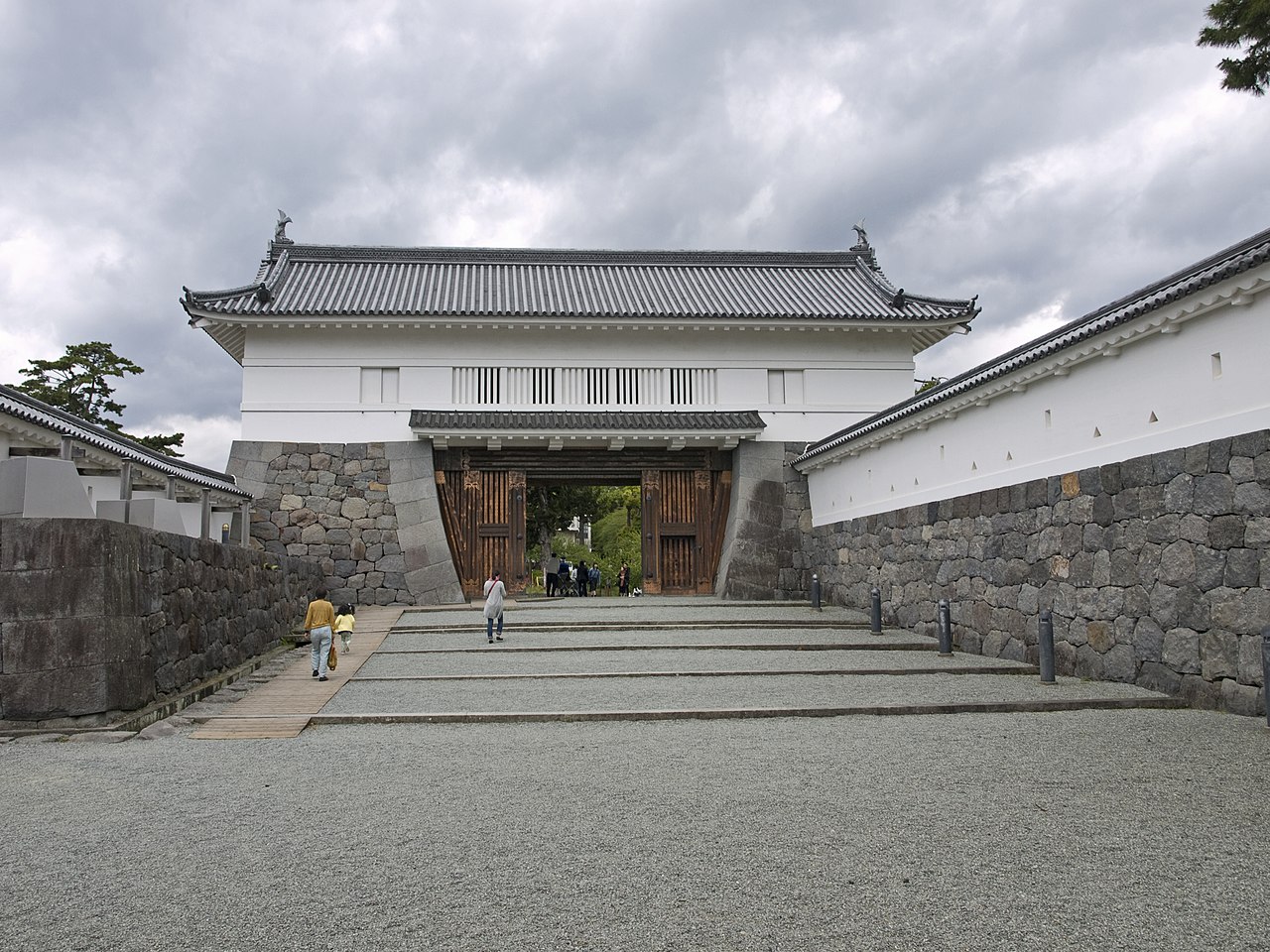
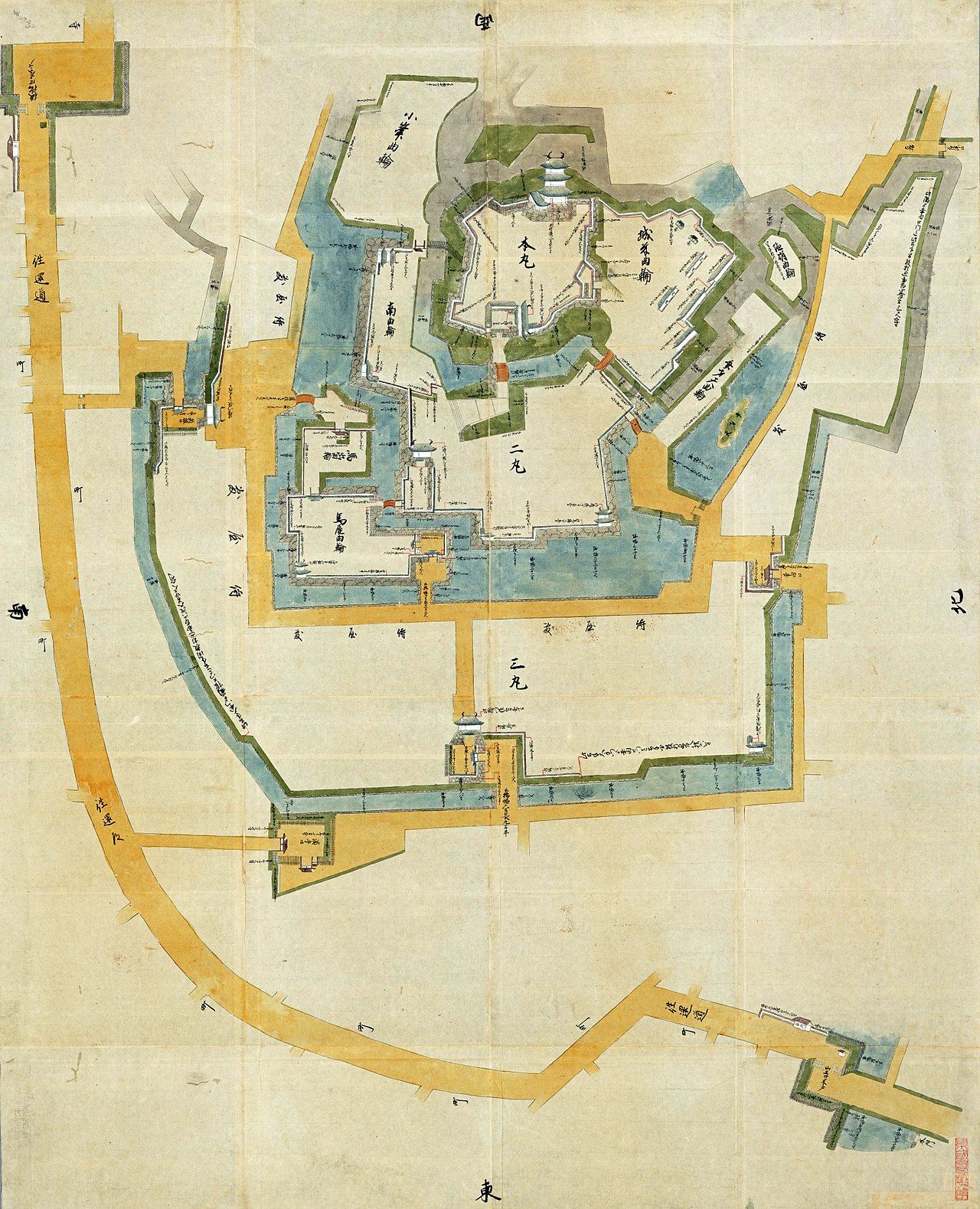
Although the surviving keep is a postwar reconstruction, the complex preserves the layout typical of Japanese castles: concentric baileys, stone walls, dry moats and timber gates. The castle grounds form a large public park that includes restored gates and ramparts, open lawns and seasonal plantings, notably cherry trees that draw visitors each spring. Additional attractions within the precincts include a small zoo and family amusement area, which help make the site a multiuse public space rather than only a historical monument.
Museum, collections and activities
Inside the reconstructed tenshu (main tower) curators display armor, weapons, maps and materials that explain the castle's role in regional politics and warfare. Exhibits contextualize life in a castle town and chart changes from the medieval era through the Meiji restoration and into modern preservation efforts. The site also hosts educational programs, seasonal festivals and historical reenactments that bring samurai-era customs to life for visitors.
Visiting and significance
Odawara Castle is accessible from the city's transport hub and is often combined with excursions to nearby attractions such as Hakone. As well as its museum function, the castle park is used for recreation, public events and cultural learning. The precincts have been recognized for their value as a historic park and community resource, attracting both domestic and international tourists.
Notable facts and further information
- The site is associated with major phases of Japan's medieval consolidation and is often cited in studies of Sengoku-period power struggles.
- Visitors can explore reconstructed military architecture and interpretive displays that explain castle life.
- For introductions to Japanese historical periods and broader context, see links on the Muromachi and Sengoku eras and local city resources (Odawara).
Practical details, opening hours and special event schedules are available from local tourist information and the museum's notices; conservation and presentation have evolved over decades as the community balances historic preservation with public use (postwar restoration). Visitors are encouraged to check official sources before planning a trip.
Related articles
Author
AlegsaOnline.com Odawara Castle — history, architecture and visitor guide Leandro Alegsa
URL: https://en.alegsaonline.com/art/71940
Sources
- odawara-guide.com : "Odawara Castle – Visit Odawara Guide"
- jokaku.jp : "日本100名城®"