
Nuclear war
Nuclear war: armed conflict in which participants use nuclear weapons, the effects, history, doctrines, arms control, and contemporary risks to global security.
Overview
A nuclear war is an armed conflict in which one or more parties employ nuclear weapons. Such weapons release enormous energy in a single burst and can produce mass casualties, widespread destruction of infrastructure, and long-lasting environmental harm. The existence of nuclear arms has shaped diplomacy, strategy, and global security since their first use in 1945. Debate about risk, deterrence, and disarmament remains central to international relations.
Image gallery
10 Images



Immediate effects and longer-term consequences
The direct consequences of a nuclear explosion include an intense blast wave, extreme thermal radiation, and prompt ionizing radiation. These produce immediate casualties and fires across a wide area. Following the initial blast, radioactive fallout can contaminate land and water, increasing sickness and death over time. Scientists have also modelled broader environmental outcomes — for example, significant atmospheric soot could reduce sunlight and lower temperatures, with harmful impacts on agriculture and ecosystems.
- Blast and heat: structural collapse and burns.
- Radiation: acute sickness and long-term cancer risk.
- Fallout: contamination of food, water, and land.
- Climate effects: potential disruption to weather and crops after large exchanges.
Types, doctrines, and distinctions
Nuclear weapons vary in yield and design and are often classified as tactical (lower-yield, battlefield) or strategic (high-yield, long-range). Military doctrines include deterrence strategies intended to prevent attack by promising unacceptable retaliation, and policies that consider first use or no-first-use. Concepts such as mutual assured destruction (MAD) developed during the Cold War to describe how large arsenals can deter large-scale conflict but also raise the stakes of any crisis.
History and arms control
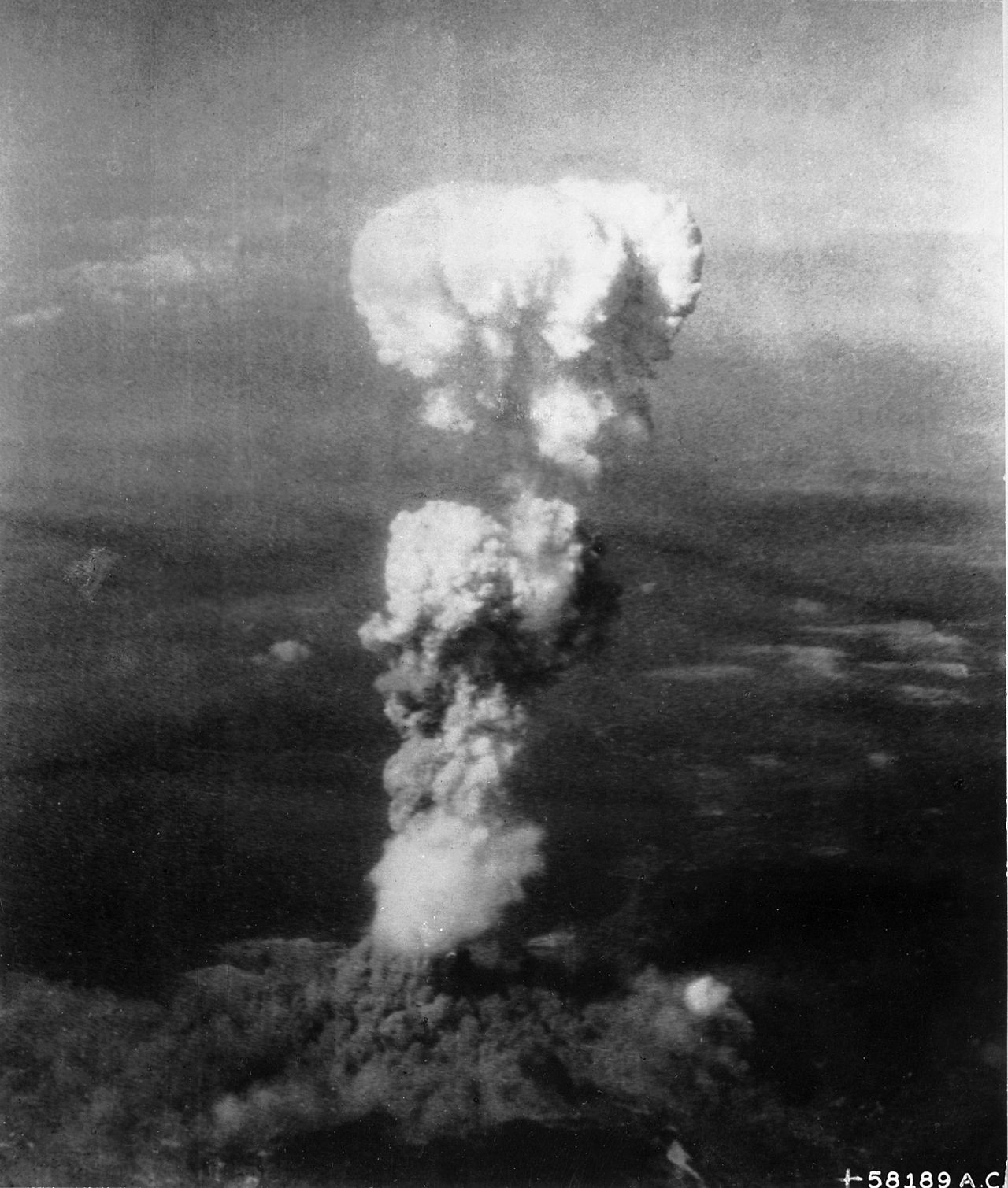
Two nuclear devices have been used in war: the atomic bombings of Hiroshima and Nagasaki, which together resulted in a large number of deaths and lasting human suffering. In subsequent decades many states developed nuclear forces, producing many thousands of weapons during the Cold War era. Nuclear weapons and the prospect of their use have driven treaties, verification regimes, and diplomacy aimed at reducing risks. International agreements and negotiations seek to limit proliferation, lower arsenals, and improve crisis communication.
Contemporary importance and prevention
The possibility of nuclear conflict continues to influence international politics and national security planning. Modern concerns include accidental launches, escalation from conventional war, regional rivalries, and the entry of new nuclear-armed states. Measures to reduce danger include arms control accords, non-proliferation efforts, secure command-and-control systems, crisis de-escalation, and humanitarian advocacy. Public understanding and international cooperation remain key to preventing any use of these weapons.
Related concepts
Nuclear war is distinct from other forms of war because of the scale and persistence of its effects. Discussions of the topic commonly reference the technical nature of nuclear weapons, ethical considerations, and the political mechanisms designed to manage or eliminate the threat. Reliable information, arms control, and diplomacy are central to reducing the risk posed by nuclear arsenals.
Questions and answers
Q: What is a nuclear war?
A: A nuclear war is a war in which countries fight with nuclear weapons.
Q: How have nuclear weapons affected international politics?
A: The possibility of nuclear war has had a great effect on international politics.
Q: How many nuclear weapons were used during warfare?
A: So far, two nuclear weapons have been used during warfare.
Q: Where were the two nuclear weapons used during warfare?
A: They were used in the atomic bombings of Hiroshima and Nagasaki.
Q: How many people died as a result of the atomic bombings of Hiroshima and Nagasaki?
A: Approximately 120,000 people died as a result of the atomic bombings of Hiroshima and Nagasaki.
Q: Have more powerful bombs been made after the atomic bombings of Hiroshima and Nagasaki?
A: Yes, thousands of much more powerful bombs were made in later years.
Q: Have the more powerful bombs been used in war?
A: No, the more powerful bombs have not yet been used in war.
Related articles
Author
AlegsaOnline.com Nuclear war Leandro Alegsa
URL: https://en.alegsaonline.com/art/71374