
Northern Italy: geography, regions, economy and cultural profile
Overview of Northern Italy (Alta Italia): its subregions, geography, economy, history, major cities and the North–South socioeconomic contrasts.
Northern Italy, commonly called Alta Italia or simply the North, is the northern portion of the Italian peninsula. It occupies the upper third of Italy and includes the major alpine and subalpine zones, the broad Po Valley and a range of coastal and lagoon areas. Northern Italy is usually discussed as part of Italy as a whole but is often treated separately because of distinct economic, climatic and cultural patterns.
Image gallery
10 Images
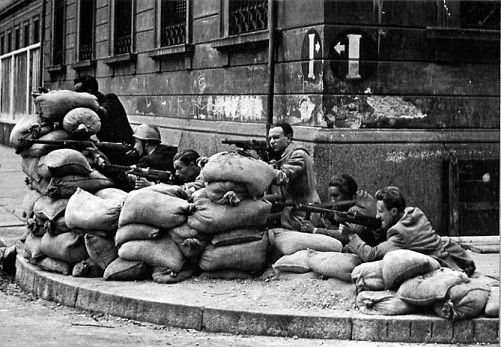

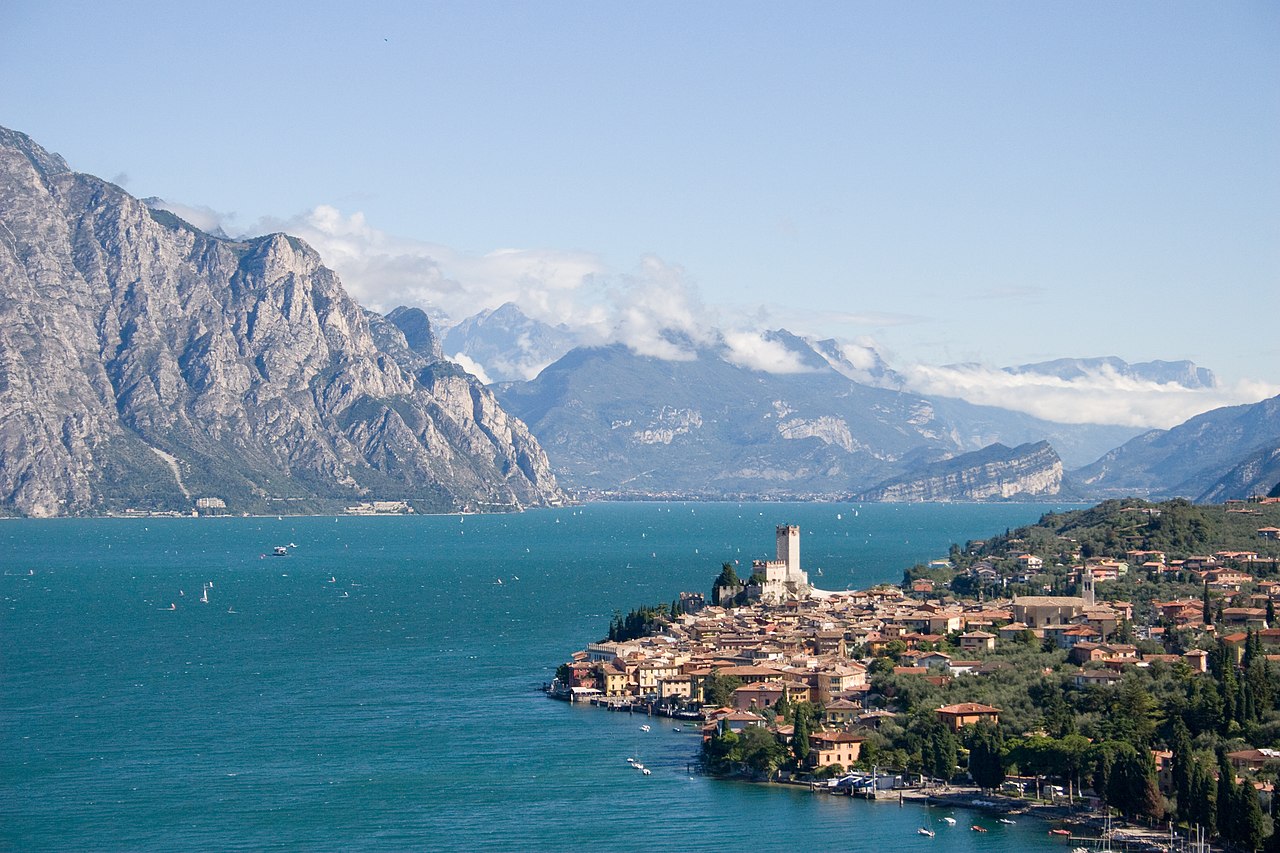


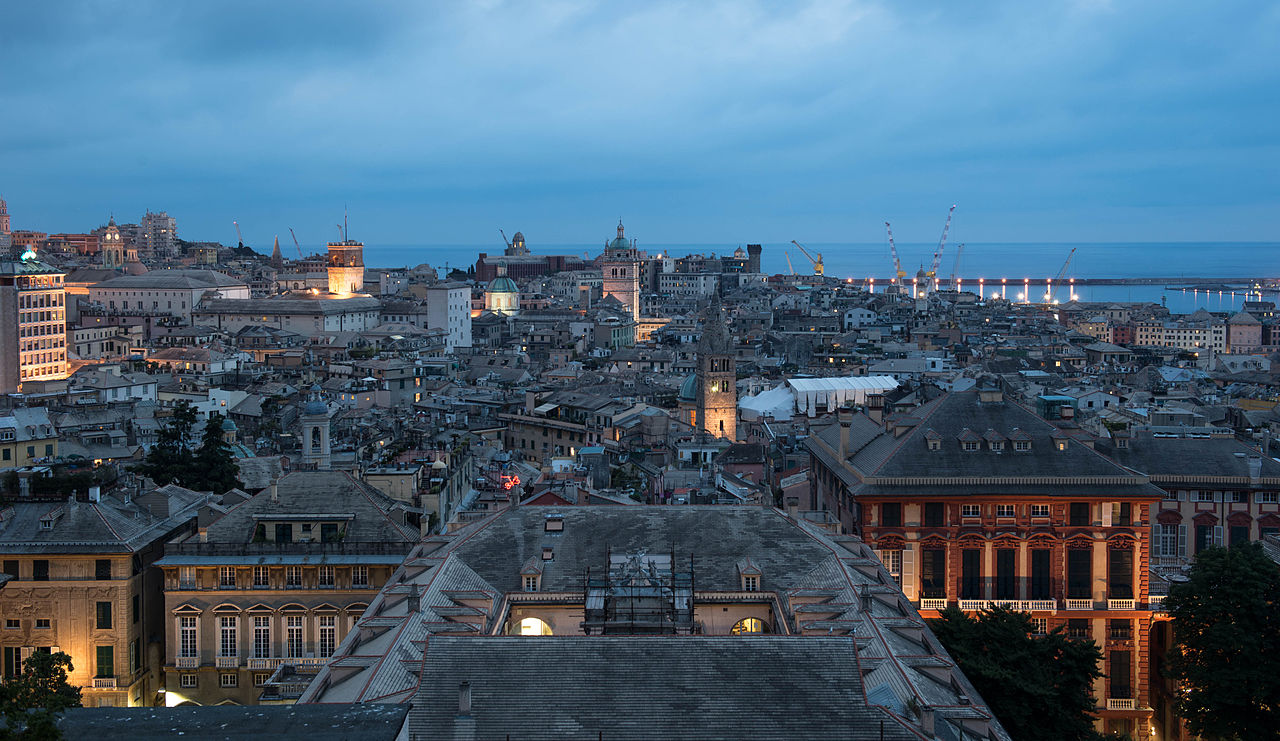


Regions and subareas
- North‑West (Nord‑Ovest): Aosta Valley, Piedmont, Lombardy, Liguria.
- North‑East (Nord‑Est): Friuli‑Venezia Giulia, Veneto, Trentino‑Alto Adige/Südtirol, Emilia‑Romagna.
Administratively these regions contain a mix of large metropolitan areas, medium-sized cities and rural districts. The Po River basin connects many of the region's urban centres and agricultural zones, while the Alps form a natural northern boundary with other European countries.
Climate varies from alpine conditions in the high mountains to humid continental and Mediterranean influences in the plains and along the Ligurian and Adriatic coasts. Winters are generally cooler and snowier than in central and southern Italy; summers can be hot across the Po Valley.
The North is the economic engine of the country. It hosts the country's principal industrial clusters, financial institutions and export-oriented firms, which is why the area is frequently described as more of a business and manufacturing heartland. The largest city in the area and one of Europe's commercial centres—often referenced as the region's economic capital—is Milan, while the phrase largest city is commonly used in comparative descriptions. Overall living standards and average incomes across many northern provinces are considered higher than in much of the south, an observation tied to discussions of regional wealth.
Historically, Northern Italy developed a network of prosperous city‑states, trading hubs and manufacturing towns. From medieval maritime republics to Renaissance cultural centres and later industrialisation in the 19th and 20th centuries, the area accumulated capital, specialist skills and infrastructure. Linguistic and cultural variety is notable: regional dialects such as Lombard and Venetian persist, and German is widely spoken in parts of Trentino‑Alto Adige/Südtirol.
The socioeconomic contrast between North and South — commonly called the North–South divide — has influenced internal migration patterns, with people from southern regions sometimes relocating northward for work. This internal migration, combined with international immigration, has shaped urban demographics and labour markets in many northern cities.
Transport, tourism and notable features
- Transport: dense road and rail networks, major airports and trans‑Alpine corridors link northern Italy to the rest of Europe.
- Tourism and landscape: the Alps, the Italian Lakes (Como, Garda), Venice and historic cities in Veneto and Emilia‑Romagna attract large visitor numbers.
- Industry and culture: sectors such as fashion, design, automotive manufacturing, food processing and high‑tech industries are important; regional cuisine and culinary traditions remain strong, from Ligurian seafood to Piedmontese truffles and Emilia‑Romagna's cured meats and pasta.
While statistics and boundaries vary by definition, Northern Italy remains a coherent geographic and socioeconomic area distinguished by its landscape diversity, industrial base and cultural heritage. For overviews and regional details consult general resources on Italian geography and the individual regional profiles referenced above.
Related articles
Author
AlegsaOnline.com Northern Italy: geography, regions, economy and cultural profile Leandro Alegsa
URL: https://en.alegsaonline.com/art/71036