
Northern Kurdistan (Turkish Kurdistan)
Region of Kurdistan within Turkey, encompassing mainly Kurdish-populated provinces in southeastern and eastern Anatolia; noted for its mountains, distinct culture, contested political status and modern history.
Overview
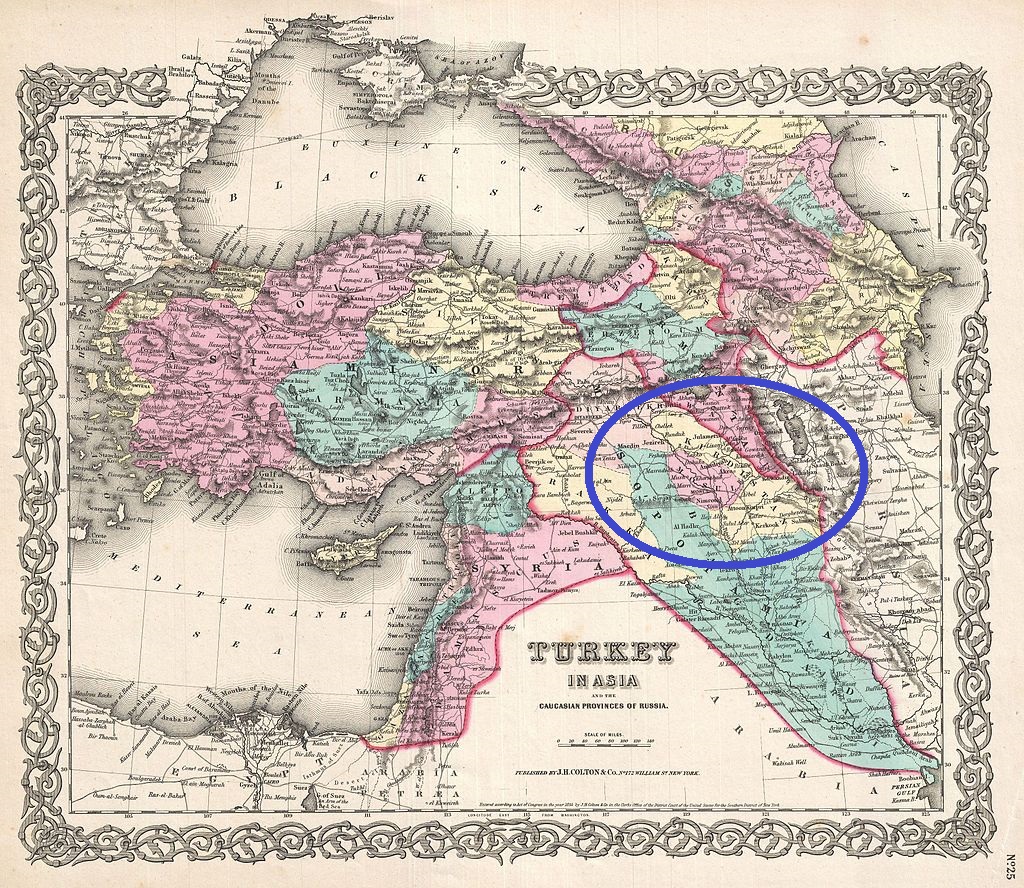
Northern Kurdistan, often called Turkish Kurdistan, refers to the portion of the larger cultural-geographic area known as Kurdistan that lies inside the borders of the Republic of Turkey. It is part of the broader Middle East region and is commonly identified by its majority Kurdish population, distinct languages and cultural traditions.
Image gallery
5 Images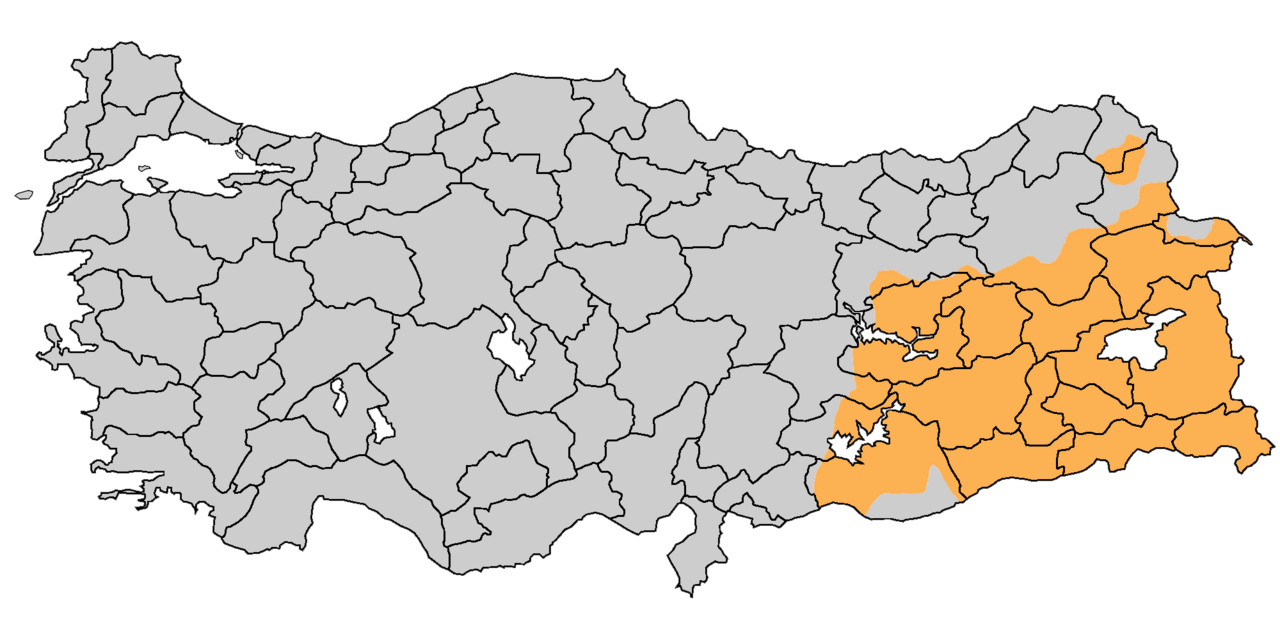



Geography and neighbours
The landscape is largely mountainous, forming the western foothills of the Zagros and other Anatolian ranges, with river valleys that feed larger systems to the south. Northern Kurdistan borders several neighboring Kurdish regions, including Iraqi Kurdistan, and is contiguous with areas in Syria and Iran.
Population, languages and cities
The area is ethnically diverse but has a substantial Kurdish majority; Kurdish dialects such as Kurmanji are widely spoken alongside Turkish. Important urban centers and provincial capitals serve as economic and cultural hubs; examples include:
- Diyarbakır
- Van
- Mardin
- Şırnak and Hakkâri
Historical development
The region was integrated into the Ottoman state, then became part of the modern Turkish Republic after World War I. In the 20th century it experienced policies aimed at nation-building and assimilation, periodic uprisings, and an extended low- and high-intensity conflict between Kurdish insurgent movements and Turkish security forces from the late 20th century onward.
Culture, economy and society
Cultural life includes traditional music, storytelling, textile crafts and seasonal festivals such as Newroz. Economically, the region combines agriculture, livestock raising, small industry and growing urban services. Development and infrastructure vary widely between cities and rural districts.
Politics and notable issues
The name "Northern Kurdistan" is politically loaded in Turkey and is used more in cultural and political discourse than in official administrative terminology. Debates over language rights, local governance, and human rights remain central. The situation is complex and evolving, shaped by domestic politics, cross-border ties with other parts of Kurdistan and international attention.
Related articles
Author
AlegsaOnline.com Northern Kurdistan (Turkish Kurdistan) Leandro Alegsa
URL: https://en.alegsaonline.com/art/71037