
Cumbria: geography, history, culture and the Lake District
Cumbria is a county in north‑west England containing the Lake District, Carlisle, Scafell Pike and a mix of rural, industrial and tourist landscapes formed in 1974.
Overview
Cumbria is a county in the far north‑west of England, stretching to the border with Scotland. It is noted for its large areas of sparsely populated upland, extensive lakes and a rugged coastline. The administrative centre is Carlisle, a city with a cathedral and a Norman castle that reflects its long frontier history.
Image gallery
10 Images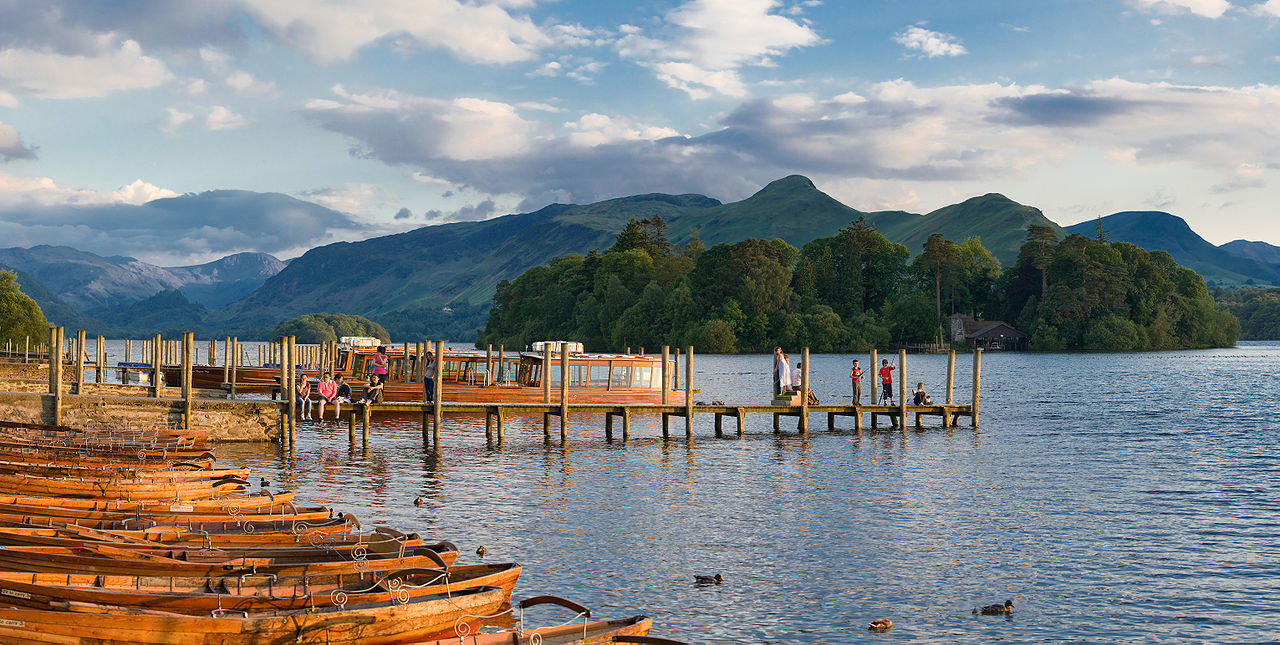


Landscape and natural features
The county contains most of the Lake District, a landscape of glacial lakes, steep fells and broad valleys. The area attracts walkers, climbers and water‑sport enthusiasts; England's highest summit, Scafell Pike, lies within the National Park. Rivers and estuaries such as the Eden and the Solway Firth shape coastal habitats that support diverse wildlife. The climate is changeable and often wetter than many parts of England, which contributes to the green, peat‑rich scenery.
History and administration
The modern county of Cumbria was formed as part of the 1974 local government reforms, bringing together the historic counties of Cumberland and Westmorland with parts of Lancashire and Yorkshire. This reorganisation created a single administrative area covering a mixture of rural communities, market towns and industrial sites. Earlier history includes Roman forts, medieval castles and Norse and Celtic cultural influences visible in place names and traditions.
Culture, literature and notable sites
Cumbria has long associations with English literature and rural culture. The Lake District inspired the poetry of William Wordsworth and others; visitors come to see places associated with his life and work. The area is also linked to the children's author Beatrix Potter, whose tales and conservation work remain a popular draw. Connections to other writers and to traditional farming life contribute to the county's cultural identity.
Economy and industry
The local economy combines agriculture, tourism and a range of industries. Sheep farming and hill agriculture are characteristic of the uplands, while tourism supports accommodation, outdoor services and cultural attractions. There are also significant energy‑sector facilities on the Cumbrian coast and light industry in urban centres. Transport and access remain important issues: major routes provide connections to the national road and rail networks, but many communities remain relatively remote.
Tourism and conservation
Tourism is central to Cumbria's modern profile. Millions of visitors come for walking, boating and to enjoy scenic drives and heritage sites. The Lake District contains busy centres such as Windermere and Keswick, but also quieter valleys and conservation areas managed to protect wildlife and upland habitats. The balance between welcoming visitors and conserving landscapes is a recurring theme for local authorities and land managers.
Practical information for visitors
When visiting, expect variable weather and often wet conditions; suitable clothing and footwear are essential for upland walks. Popular sites are busiest in summer, so plan ahead for parking and accommodation. Respect local farming and conservation efforts by keeping to public rights of way, closing gates and keeping dogs under control. Visitors from overseas, including many from East Asia, come to experience the scenery, literary sites and outdoor activities.
Notable towns and places
- Carlisle – historic city, castle, cathedral and gateway to the Solway coast.
- Lake District towns – Ambleside, Kendal, Keswick and Windermere offer museums, outdoor shops and boat services.
- Scenic lakes – Windermere, Ullswater and Coniston are among the best known for boating and walking.
Cumbria's mix of wild landscapes, literary associations and living rural communities gives it a distinctive place in England's geography. Whether the interest is outdoor recreation, history or cultural heritage, the county remains a popular destination and an area of active conservation and local life.
Related articles
Author
AlegsaOnline.com Cumbria: geography, history, culture and the Lake District Leandro Alegsa
URL: https://en.alegsaonline.com/art/24649