
Northern Isles: Orkney, Shetland and the islands off northern Scotland
Chain of islands north of mainland Scotland—chiefly Orkney and Shetland—noted for Norse heritage, Neolithic archaeology, important seabird colonies, fishing and renewable-energy industries.
Overview
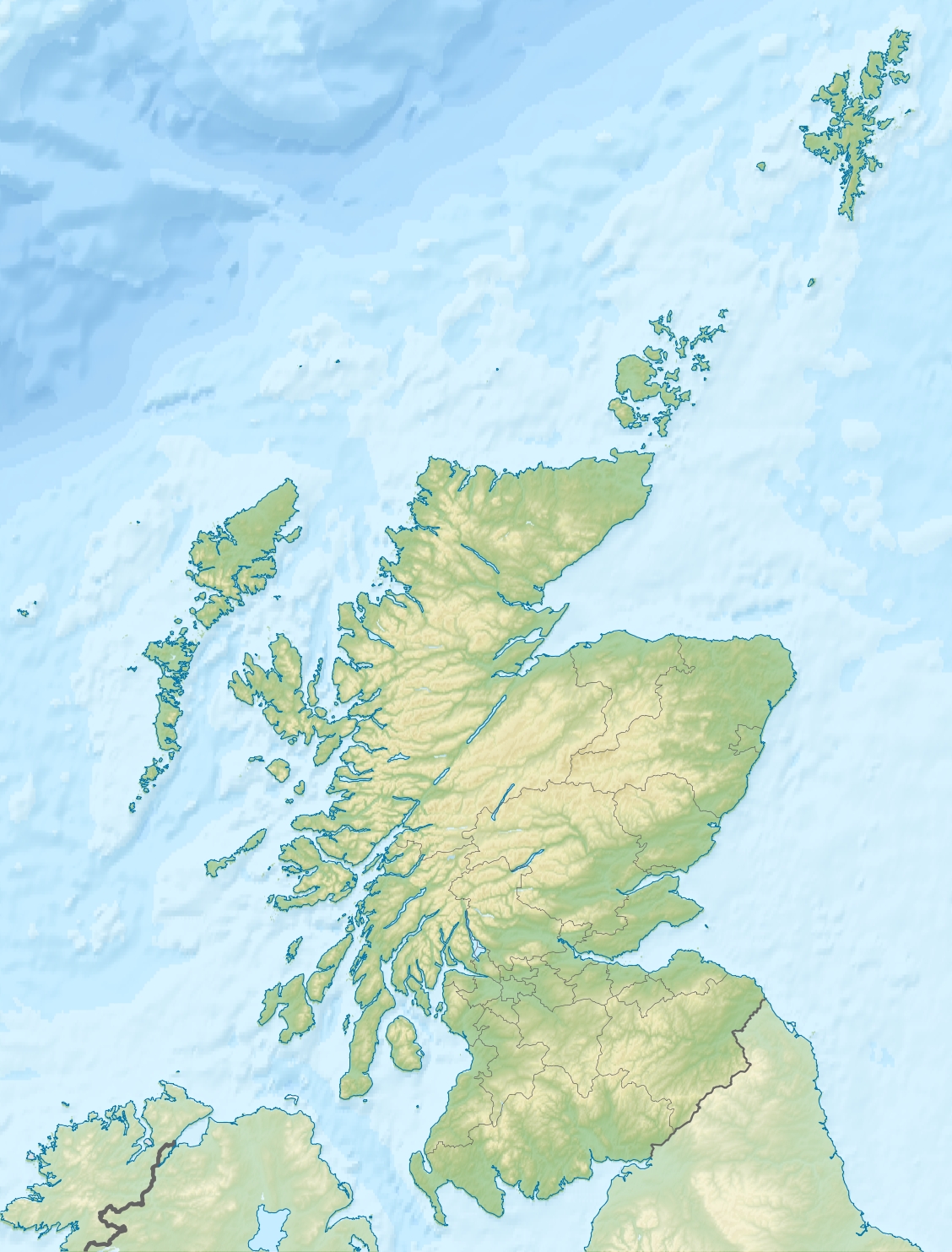
The Northern Isles are the island groups lying off the north coast of mainland Scotland. They are most commonly understood to include Orkney and Shetland, together with smaller islands such as Fair Isle; occasionally nearby islets like Stroma are also associated with the chain. The islands form a distinct cultural and geographic zone separated from the Scottish mainland by sea and strong maritime weather.
Image gallery
10 Images





Geography and wildlife
The archipelago comprises dozens of islands, of which only a minority are permanently inhabited. Landscapes range from low, fertile plains and arable farmland to rocky coasts, cliffs and heather moorland. The islands show varied geology and many features shaped by past glaciations and sea-level change. The surrounding waters are rich in marine life; the islands support large seabird colonies, seals and occasional cetaceans, making them important for wildlife conservation and birdwatching.
History and settlement
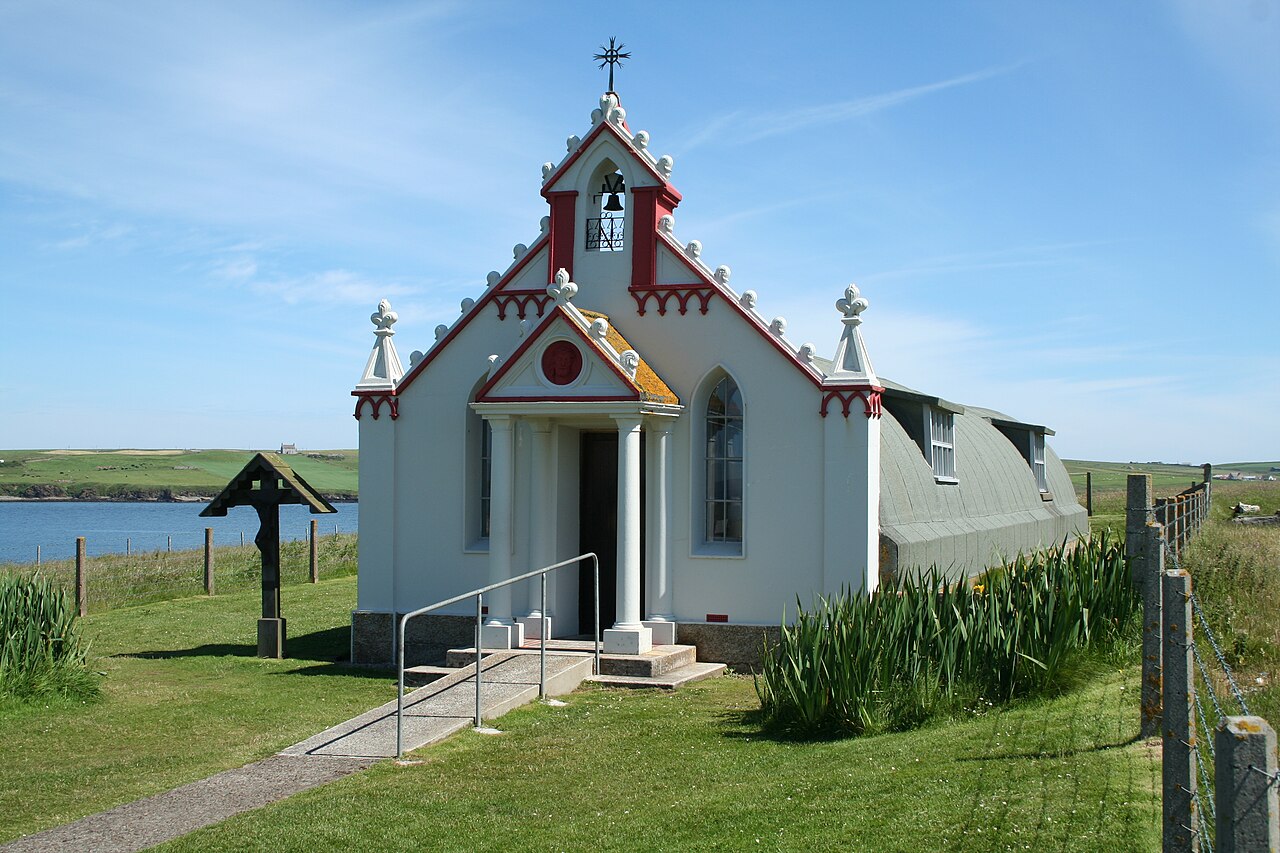
Human presence in the Northern Isles goes back to the Neolithic and Bronze Age; Orkney in particular is famed for exceptionally well-preserved prehistoric sites. From the early medieval period the islands were heavily influenced by Norse settlement and governance, and they remained under Scandinavian rule until the mid-15th century, when they came under Scottish control. Norse cultural traces survive in place-names, archaeology and aspects of local tradition.
Cultural and archaeological importance
- Notable archaeological sites include Neolithic villages and chambered tombs that have produced some of the best-preserved remains in northwestern Europe.
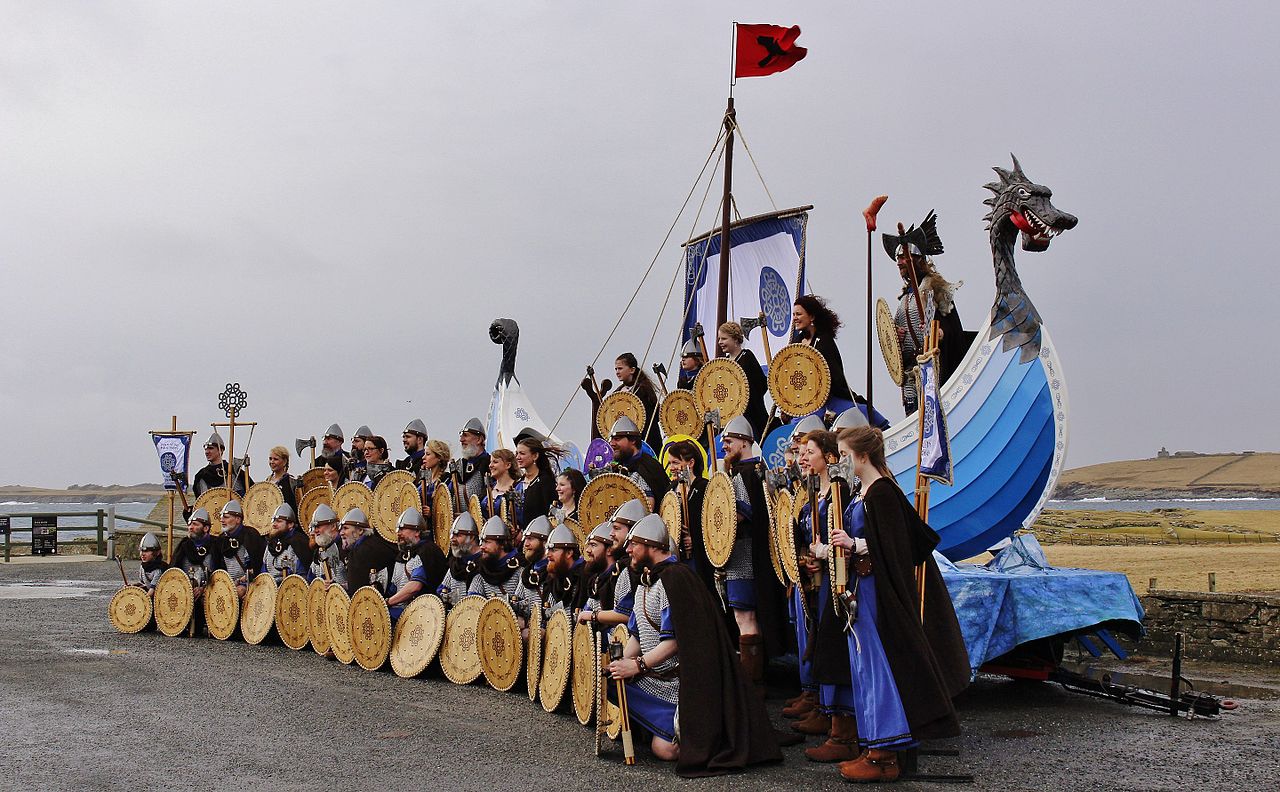
- Local traditions, music and festivals reflect a mixture of Norse and Scottish influences; the Norn language, once spoken in parts of the islands, has died out but leaves linguistic traces.
- Historic towns such as Kirkwall and Lerwick have maritime and trading heritage linked to fishing, sea routes and island life.
Economy, transport and modern life
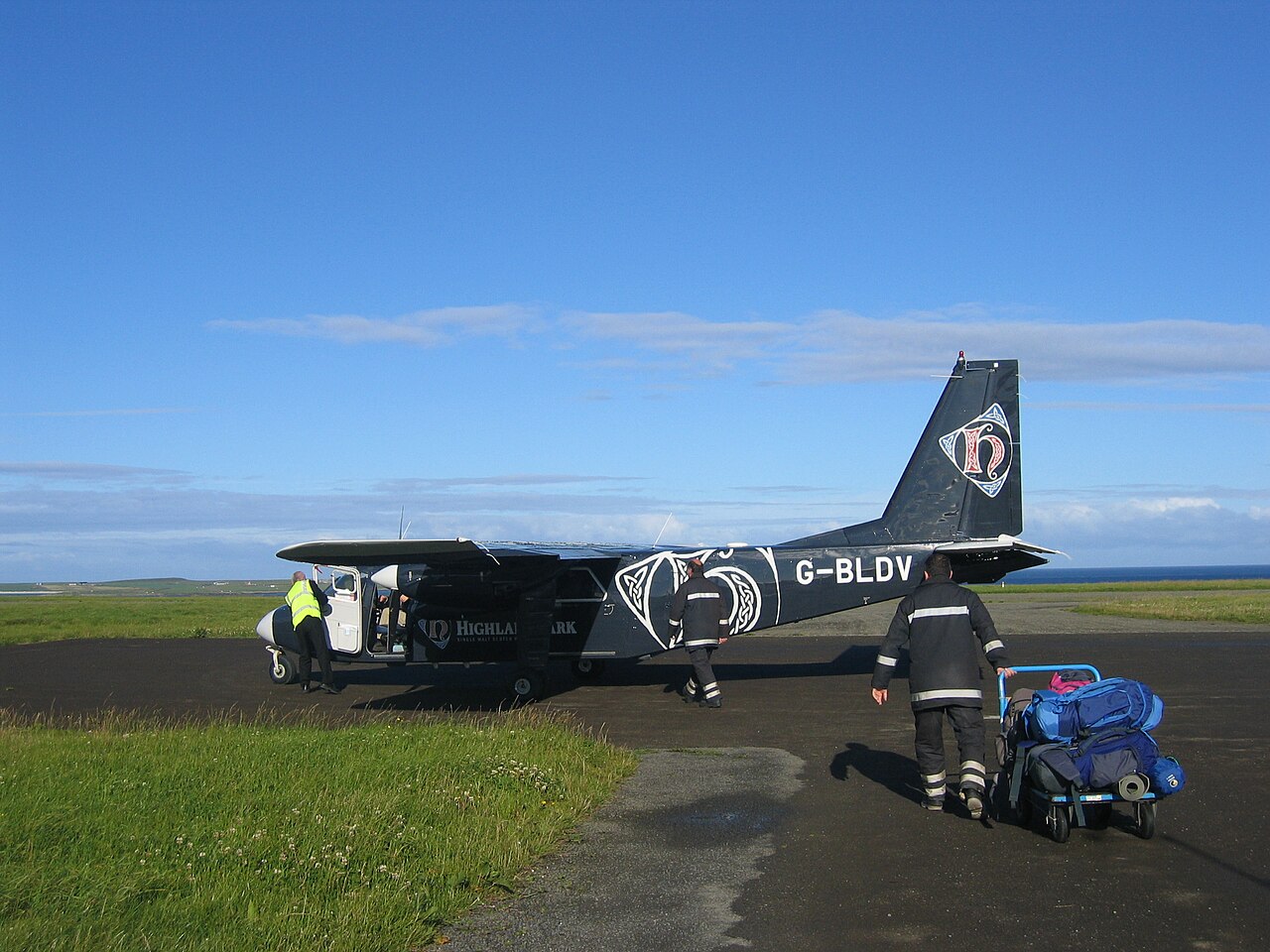
The islands' economies centre on fishing and aquaculture, agriculture on arable and croftland, tourism and growing renewable-energy activity. In recent decades services linked to offshore energy (including support for oil and gas operations, and now renewables) have been significant. Regular ferry services and short domestic flights connect the islands to the Scottish mainland and to one another, while local governance is administered by island councils responsible for many community services.
Distinctive features and contemporary relevance
The Northern Isles are notable for their combination of ancient human history, distinct natural habitats and continuing maritime economy. They attract specialists and visitors for archaeology, birdlife and seascapes, and they remain important for research into climate, coastal processes and cultural continuity. For quick reference, the main island groups and a few well-known places include:
- Orkney — famed for Neolithic sites and fertile farmland.
- Shetland — known for rugged coasts, unique wildlife and Norse legacy.
- Fair Isle and other smaller islands — important for seabirds and migratory species.
Related articles
Author
AlegsaOnline.com Northern Isles: Orkney, Shetland and the islands off northern Scotland Leandro Alegsa
URL: https://en.alegsaonline.com/art/71035