
County Durham: geography, history, and civic identity
County Durham is a historic and administrative area in north‑east England centred on the city of Durham, known for its medieval cathedral, former palatine bishops, industrial heritage and complex county status.
County Durham lies in north‑east England and is centred on the cathedral city of Durham. The county combines river valleys, rolling moorland and former industrial districts along the Durham Coalfield. Its urban and rural landscapes host higher education, religious heritage, market towns and long-standing transport links to neighbouring regions. Visitors often note the prominent Durham Cathedral and castle close to the city centre and the meandering course of the River Wear.
Image gallery
10 Images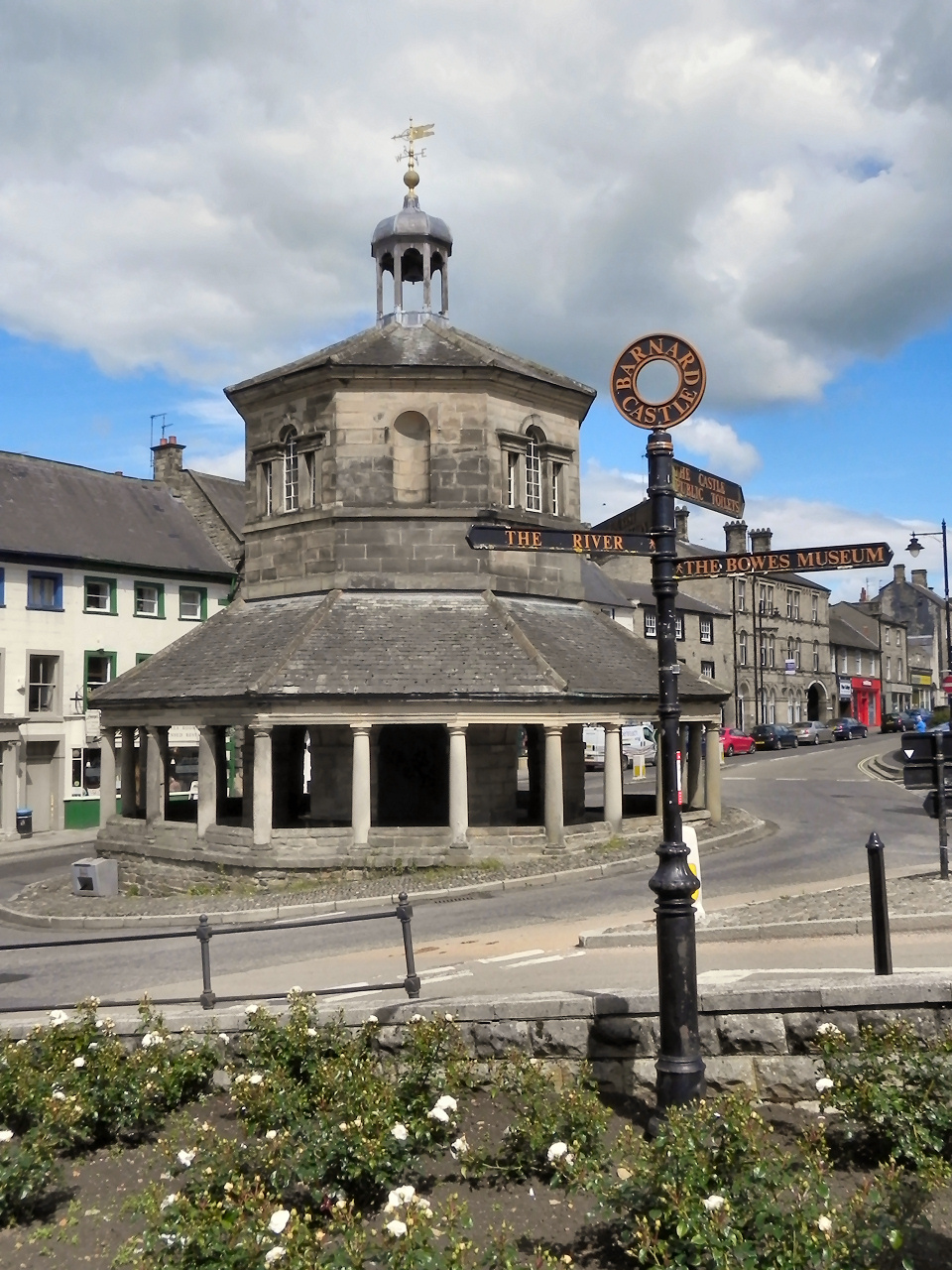


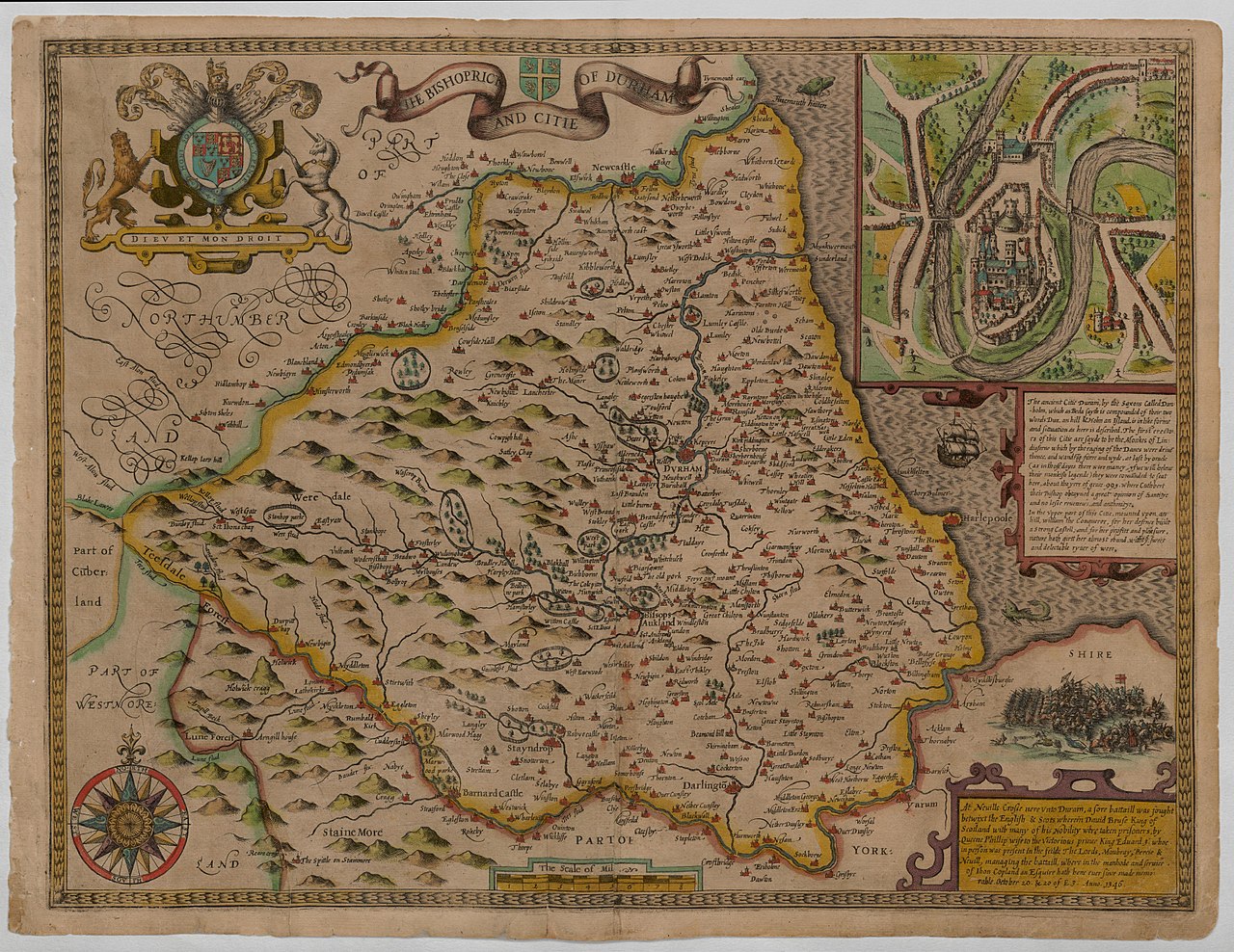


Overview and identity
County Durham has an unusual civic identity because the name includes the word "County" — a legacy of its status as a palatine territory governed by powerful bishops in medieval times. This unique naming contrasts with the more typical English style of place names ending in "-shire". The area blends historic institutions, such as the former prince bishops, with modern local government arrangements and a mix of urban, suburban and rural communities.
Types of county
- Historic County — the traditional boundaries as used for centuries in law and custom.
- Administrative County — the area used by elected councils for delivering services (which has changed over time).
- Ceremonial County — the area represented by the Lord‑Lieutenant and used for ceremonial purposes.
- Non‑metropolitan County — the local government unit many residents encounter for day‑to‑day services and planning.
The distinction between these forms matters for governance, identity and tourism promotion. County Durham Council commonly promotes the area’s heritage under the evocative title "The Land of the Prince Bishops," drawing attention to the county’s palatine past and the cultural sites that survive in towns and countryside.
Historically, the bishops of Durham exercised exceptional authority, acting with quasi‑royal powers in the palatinate. That separate jurisdiction shaped local law and administration for centuries and left architectural and institutional marks still visible today. The development of municipal and national government gradually reduced those powers, and twentieth‑century reorganisations further adjusted boundaries and responsibilities, creating the layered county definitions in current use.
Economically and culturally, County Durham moved from a strong mining and heavy industry base towards a more mixed economy that includes education, services, tourism and light industry. Durham University contributes to the area’s national profile and local economy. Rural areas support agriculture and outdoor recreation, while former industrial towns have undertaken regeneration projects to adapt to post‑industrial realities.
For those wanting to explore further, local guides and council resources explain the practical differences between historic, ceremonial and administrative boundaries, and how they affect services, civic ceremonies and cultural branding. The city of Durham remains the historic county town and a focal point for many visitors, while county institutions and communities across the region continue to use both traditional and modern identities to describe their place within County Durham.
More information and specific local resources can be found via official and heritage links: see county overviews and administrative pages for the latest arrangements and tourism advice (regional information, administration, ceremonial and historic references).
Questions and answers
Q: What is County Durham?
A: County Durham is a county located in the north-east of England.
Q: How many types of county are there in County Durham?
A: There are four different types of county in County Durham.
Q: What is the county town of County Durham?
A: The county town of County Durham is Durham.
Q: How is the county name of County Durham unique compared to other counties in England?
A: The county name of County Durham is unique because it did not become a Shire/County until after the language of government was changed from Anglo-Saxon to Norman French in 1066.
Q: What was County Durham previously?
A: County Durham was a semi-independent Bishopric prior to becoming a Shire/County.
Q: How does Durham County Council promote County Durham for tourism purposes?
A: Durham County Council promotes the non-metropolitan county for tourism purposes as "The Land of Prince Bishops" in reference to the former palatine jurisdiction of the bishops.
Q: Why is the expected form for the county name of County Durham Durhamshire instead of County Durham?
A: Many counties are named after their principal town, and the expected form for County Durham would be Durhamshire. However, County Durham did not become a Shire/County until after the language of government was changed from Anglo-Saxon to Norman French in 1066.
Related articles
Author
AlegsaOnline.com County Durham: geography, history, and civic identity Leandro Alegsa
URL: https://en.alegsaonline.com/art/23521
Sources
- everything2.com : everything2.com/index.pl?node=The%20Shiring%20of%20England
- durham.gov.uk : Welcome to County Durham (Durham County Council)
- durham.gov.uk : Durham County Council
- communities.gov.uk : Communities and Local Government