
North West England: geography, history, and cultural highlights
Overview of North West England, its landscape, major cities and counties, economic and cultural importance, history from rural to industrial, and key places to visit.
Overview
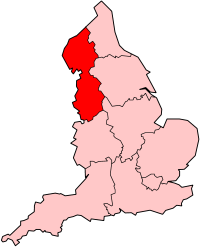
North West England is a distinctive part of the country that combines large cities, industrial heritage and wide rural areas. It is officially one of the English regions: the North West sits within England and the wider context of the United Kingdom. Two of its best known urban centres are Liverpool and Manchester, each noted for their cultural influence, music, sport and universities.
Image gallery
2 Images
Geography and settlement
The region stretches from the Irish Sea coast across river valleys to the uplands in the north. The northern area includes extensive countryside and small settlements, notably in Cumbria and parts of Lancashire. Settlement patterns are mixed: dense urban districts in the south and west, and sparsely populated farming communities and villages toward the borders and hills.
Landscapes range from coastal plains and estuaries to lakes and hills. The mixture of urban and rural environments shapes local transport, land use and tourism, with many visitors drawn to scenic areas as well as city attractions.
History and development: the North West played a central role during Britain's industrial period, developing textile, engineering and port industries. Towns expanded rapidly around factories and docks, which left a legacy of architecture, canals and infrastructure that still defines many places.
Today the economy blends advanced services, manufacturing, education and creative industries. Cultural exports — music, arts, and sport — are internationally recognised, and higher education institutions contribute to research and local regeneration.
Places, travel and distinctions
- Major cities: Manchester, Liverpool.
- Notable counties and areas: Cumbria, Lancashire.
- For regional information see general pages: region overview, England, United Kingdom.
The result is a region of contrasts: vibrant urban culture alongside tranquil villages and protected landscapes, with a history of industry that continues to shape its economy and identity.
Related articles
Author
AlegsaOnline.com North West England: geography, history, and cultural highlights Leandro Alegsa
URL: https://en.alegsaonline.com/art/70968