
Plant Nurseries: Types, Practices, and Role in Horticulture
An overview of horticultural nurseries: their types, propagation methods, history, uses in landscaping and conservation, and regulatory and commercial distinctions.
Overview
A nursery in horticulture is an established place where young plants are propagated, grown and prepared until they reach a size suitable for planting or sale. Nurseries supply a wide range of material — from seeds and seedlings to container-grown shrubs, trees and herbaceous ornamentals — and play a central role in gardening, landscaping, restoration and commercial agriculture. For general discussion of plant production practices see plant cultivation resources.
Image gallery
4 Images


Types of nurseries
Nurseries are commonly categorized by their market and production methods. Typical types include:
- Retail nurseries that sell to the general public and often provide advice and garden supplies (retail examples).
- Wholesale nurseries that produce large volumes for landscape contractors, garden centers and other retailers (wholesale networks).
- Private or institutional nurseries run by estates, municipalities or research institutions to meet internal planting needs.
- Mail-order and online nurseries that ship plants and propagules to customers by post (mail-order services).
Common practices and structure
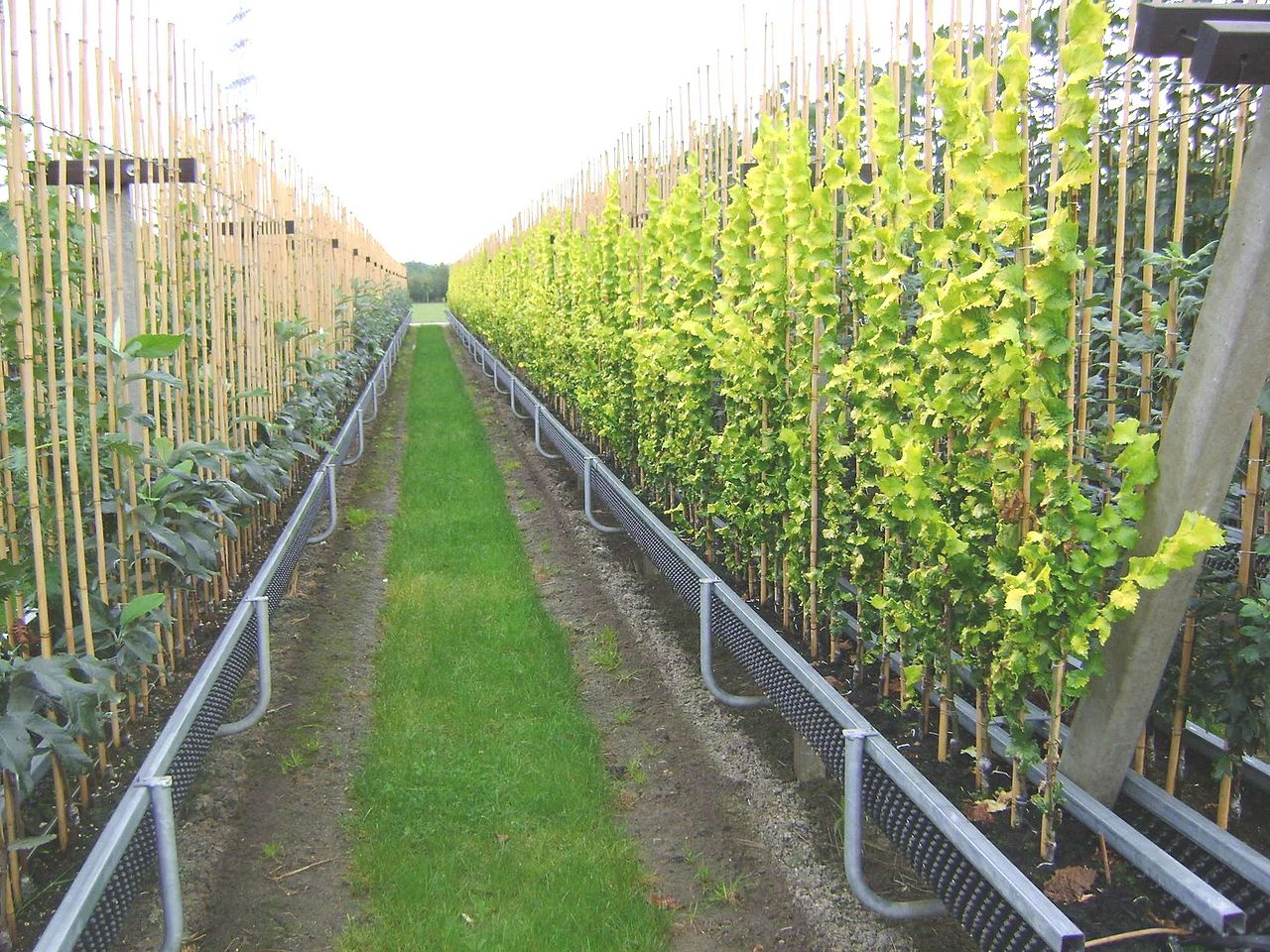
Nurseries use a variety of propagation techniques: seed sowing, vegetative cuttings, grafting and tissue culture. Growing systems range from open field beds to containerized pot production and greenhouse benching. Essential components include propagation houses, hardening areas where plants acclimate outdoors, irrigation systems, pest management programs and storage for media and fertilizers. Many nurseries label plants with cultivar names, rootstock information and care instructions for buyers.
History and development
The concept of raising plants for sale or replanting has long historical roots in private and monastic gardens. From modest local operations, nurseries evolved into organized commercial enterprises with botanical exchange, cultivar development and standardized practices. Modern nurseries combine traditional horticultural skills with mechanisation, improved propagation technology and phytosanitary controls to move material across regions.
Uses, importance and distinctions
Nurseries supply material for domestic gardens, urban greening, habitat restoration, forestry, agriculture and cut-flower production. They influence plant availability, landscape diversity and biosecurity; therefore many countries maintain regulations and certification schemes to prevent the spread of pests and ensure accurate plant naming. Buyers should distinguish between field-grown and container-grown stock, evaluate root quality, and seek nursery credentials when purchasing large specimens or protected species.
Notable considerations
Choosing a reputable nursery helps ensure healthy plants and correct labeling. Sustainable practices such as water-efficient irrigation, integrated pest management and sourcing of appropriate native species are increasingly adopted across the industry. Whether a small backyard operation or a large commercial producer, nurseries remain fundamental to how cultivated and restored landscapes are established and maintained.
Related articles
Author
AlegsaOnline.com Plant Nurseries: Types, Practices, and Role in Horticulture Leandro Alegsa
URL: https://en.alegsaonline.com/art/71488