
Rhopalostylis sapida (nīkau) — New Zealand's native palm
Rhopalostylis sapida, commonly called nīkau, is the only palm native to New Zealand. A shade-tolerant coastal understorey species, it has ecological importance and a rich history of Māori uses.
Rhopalostylis sapida, commonly known by its Māori name nīkau, is a distinctive palm endemic to New Zealand. It is the country’s sole indigenous palm and a familiar feature of coastal and lowland forest understoreys. The species has a single, upright trunk topped with a crown of feather-like leaves and produces red fruits that are eaten and dispersed by native birds.
Image gallery
10 Images
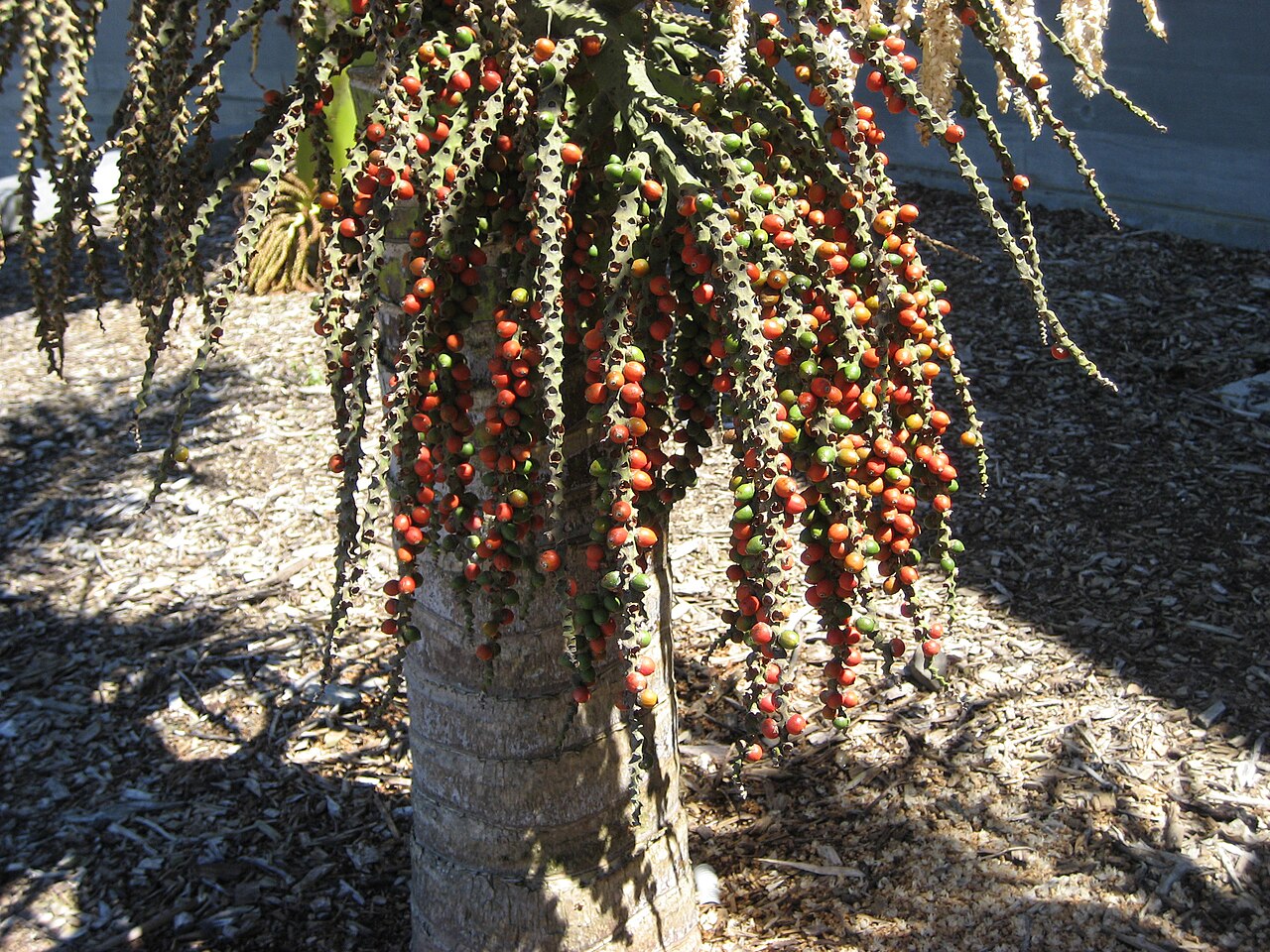
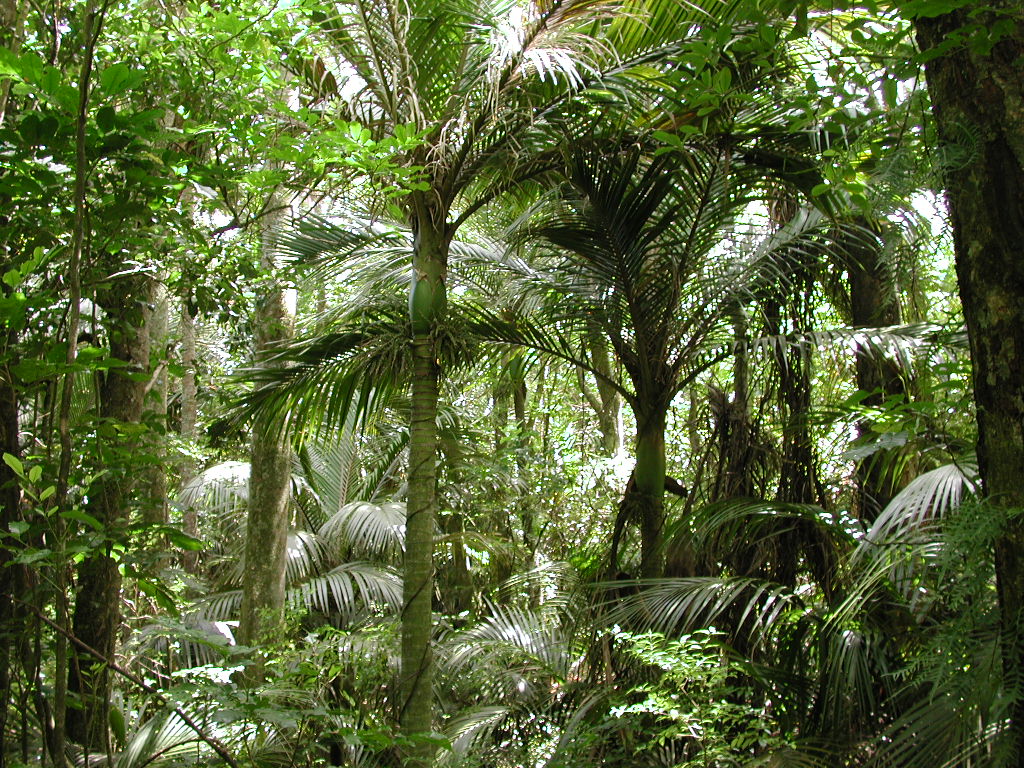


Description and characteristics
The nīkau is a small to medium-sized fan of feather-leaved palms with pinnate fronds whose bases form a skirt around the crown. New fronds are pale and neatly rolled before expanding; older leaf bases persist and can be used for weaving. The palm flowers in clusters and sets fruit that attract avian dispersers. Its tolerance of shade allows it to grow beneath taller canopy trees, often thriving in sheltered, moist sites.
Distribution and habitat
Rhopalostylis sapida is strictly endemic to New Zealand, occurring in coastal and lowland forests, gullies and sheltered slopes from northern to southern parts of the country and on some offshore islands. It favors mild, maritime climates and is sensitive to prolonged frost in exposed locations.
Traditional and practical uses
The nīkau has long been important to Māori culture. The common name itself is a Māori term: nīkau. Many parts were used as food and materials — the bases of inner leaves and the young flower stalks were eaten either raw or cooked, and new shoots provided edible flesh. Sturdy older leaves were processed into thatch, mats and baskets by skilled weavers.
- Young flowers and inner leaf bases consumed as food.
- Leaves woven into baskets, mats and roofing.
- Cultural and ceremonial uses retained in some communities.
Language, cultivation and conservation
The term nīkau appears in regional Pacific vocabulary: in broader Pacific languages similar words can denote the leaves of coconut and other palms, reflecting shared cultural plant knowledge across the Pacific tropics. Today the nīkau is cultivated in gardens in suitable temperate maritime climates for its ornamental value; it prefers fertile, well-drained but moist soils and shelter from hard frosts. Ecologically it provides food and habitat for native fauna, and while not currently regarded as critically threatened, its habitat can be affected by land clearing and browsing by introduced mammals.
Regional knowledge and botanical interest continue to highlight the nīkau’s role as both a living symbol of New Zealand’s flora and a practical resource. Contemporary uses combine conservation, horticulture and the retention of traditional skills: modern growers and cultural practitioners alike still value the palm for its unique place in New Zealand natural and human history. References to Māori practices and plant parts appear in historical accounts and ongoing cultural knowledge, including terms and uses preserved by Māori communities and recorded with attention to specific plant parts such as the leaves.
Questions and answers
Q: What is the scientific name of the palm tree that is endemic to New Zealand?
A: The scientific name of the palm tree that is endemic to New Zealand is Rhopalostylis sapida.
Q: Does any other palm tree grow naturally in New Zealand other than the nikau?
A: No, the nikau is the only palm tree that grows naturally in New Zealand.
Q: What does the word Nikau mean in the languages of the Pacific tropics?
A: In the languages of the Pacific tropics, the word Nikau means the leaves of a coconut palm.
Q: What were some of the uses of the nīkau palm for the Maori people?
A: The Maori people had many uses for the nīkau palm, including eating the bases of the inner leaves and young flowers raw or cooked, wrapping food in the leaves for cooking, using old tough leaves to make baskets, floor rugs, and waterproof thatched roofs for buildings.
Q: What is the English translation of the word nīkau?
A: The English translation of the word nīkau is nikau.
Q: Is Rhopalostylis sapida found anywhere else in the world?
A: No, Rhopalostylis sapida is not found naturally anywhere else in the world except New Zealand.
Q: What is the meaning of the Māori word nīkau?
A: The meaning of the Māori word nīkau is the leaves of a coconut palm.
Related articles
Author
AlegsaOnline.com Rhopalostylis sapida (nīkau) — New Zealand's native palm Leandro Alegsa
URL: https://en.alegsaonline.com/art/70179
Sources
- palmsociety.org : "Nikau Palm Blues"
- pollex.org.nz : "Protoform: NII-KAU [CE] Coconut frond"