
Niflheim: The Norse Realm of Mist, Ice and Primeval Cold
Niflheim is the ancient Norse realm associated with mist, ice and the source of cold rivers; it figures in creation myths, cosmology, and later poetic and prose traditions of the Norse world.
Overview
Niflheim is a concept from Old Norse myth often translated as the "home of mist" or "world of darkness and cold." It appears in the Poetic and Prose Eddas as a primordial region of ice and fog that contrasts with the fire realm of Muspelheim. In many accounts Niflheim is a cosmological zone essential to early Norse cosmogony: the meeting of heat and cold in the yawning void (Ginnungagap) helps bring living beings and the first giant into being.
Image gallery
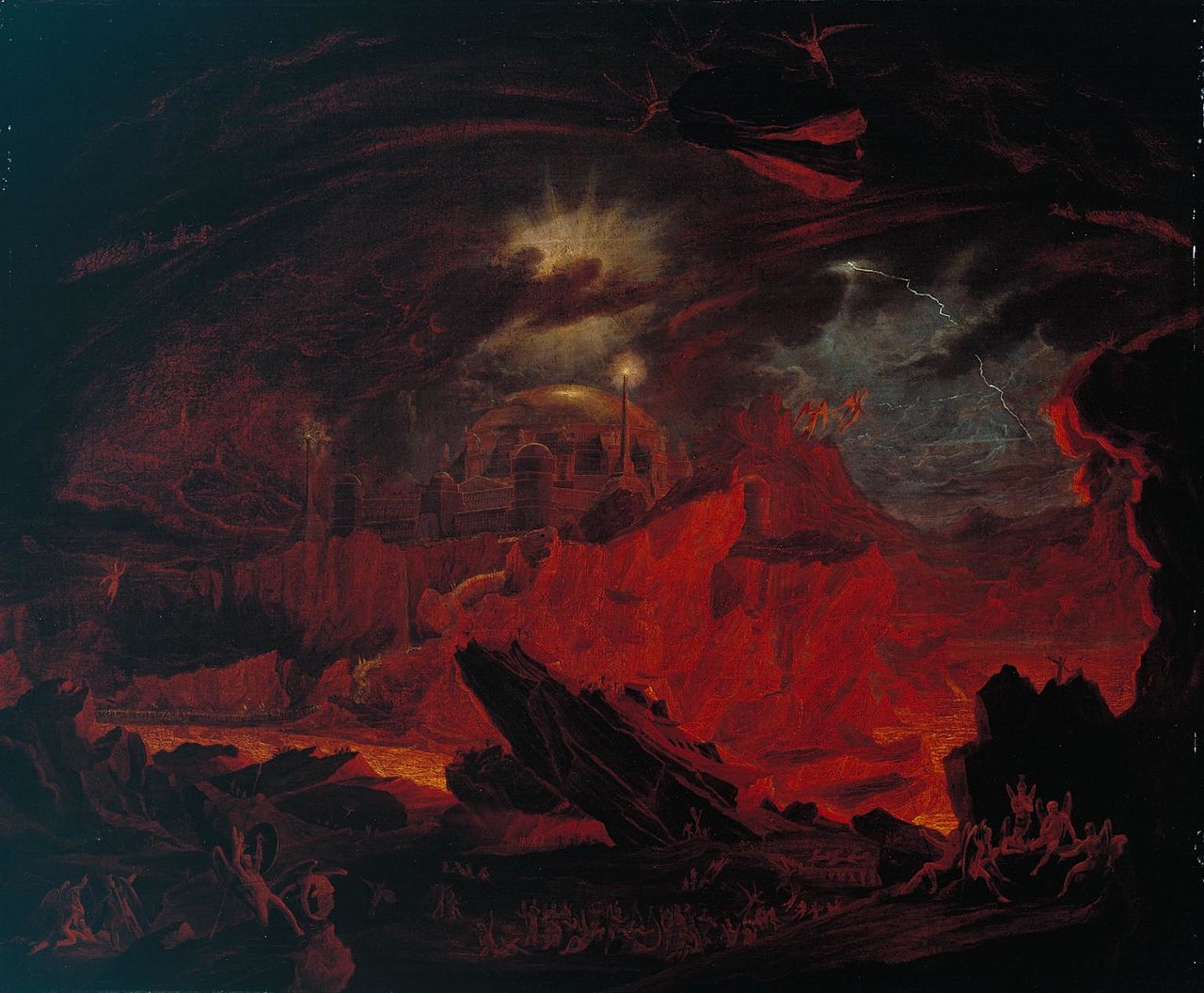
4 Images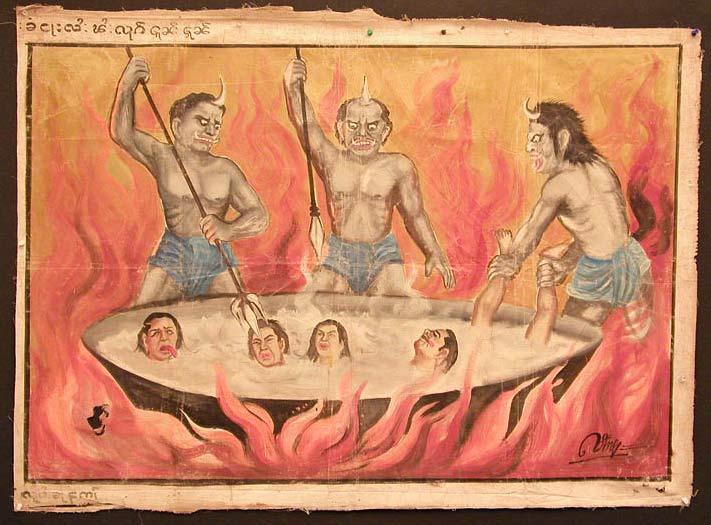


Geography and notable features
The realm is described as containing frosty plains, ice caverns, and the eruptive spring Hvergelmir, from which many rivers flow. One of the great world-tree Yggdrasil's roots is said to reach a spring in this region, which is gnawed by the dragon or serpent Níðhöggr. Niflheim's landscape is thus closely tied to important mythic features that connect the cosmos and its living structures.
Inhabitants and characters
Traditional sources associate Niflheim with the cold-dwelling frost giants (hrímþursar) and with monstrous beings that thrive in decay and cold. The serpent Níðhöggr and numerous serpents and shades are linked to its springs and roots. Some later or interpretive accounts connect giant figures such as Angrboða to its domain, though medieval texts vary in how they assign rulers or occupants.
Cosmological role and origins
In Norse cosmogony, Niflheim and Muspelheim represent opposite elemental extremes. The interplay of their cold and heat in Ginnungagap is a central image for the origin of Ymir, the primeval giant, and for the subsequent shaping of the world. Because of this origin function, Niflheim serves both as a physical place and as a mythic principle—cold, stagnation and the source of certain life-forms and rivers.
Sources, variations and interpretation
Descriptions of Niflheim come mainly from the Poetic Edda and Snorri Sturluson's Prose Edda, and later medieval and modern retellings expand, reinterpret, or conflate it with Hel or Niflhel (regions associated with the dead). Scholarly readings stress that Norse cosmology was not a fixed map but a set of overlapping images, so names and roles can shift between poems and prose passages. See mythic references to Yggdrasil and the spring Hvergelmir for related contexts.
Legacy and cultural references
Niflheim's stark imagery—ice, fog, gnawing serpents and primeval springs—has made it a recurring inspiration in literature, art and popular culture. It often symbolizes death, entropy, or an elemental opposite to fiery creation. For introductory reading and comparative details, consult authoritative editions and translations of the Eddas or modern overviews of Norse mythology (realm of frost).
- Key terms: Ginnungagap, Hvergelmir, Níðhöggr, hrímþursar.
- Common conflations: Niflheim vs. Niflhel vs. Hel.
Related articles
Author
AlegsaOnline.com Niflheim: The Norse Realm of Mist, Ice and Primeval Cold Leandro Alegsa
URL: https://en.alegsaonline.com/art/70095