
Accumulated Cyclone Energy (ACE): definition, calculation, and uses
Accumulated Cyclone Energy (ACE) quantifies tropical cyclone activity by summing squared six-hourly wind speeds over a storm's life. It is widely used to compare seasons and study variability in hurricane activity.
Accumulated Cyclone Energy, commonly abbreviated ACE, is an index that quantifies the total wind energy produced by tropical cyclones over time. Developed and used by operational meteorological agencies, ACE provides a single numeric measure of how active a storm or an entire season has been by combining information about storm intensity and duration. It is most often reported for basins such as the Atlantic and Eastern Pacific and is a standard tool in long‑term monitoring of tropical cyclone activity.
Image gallery
2 Images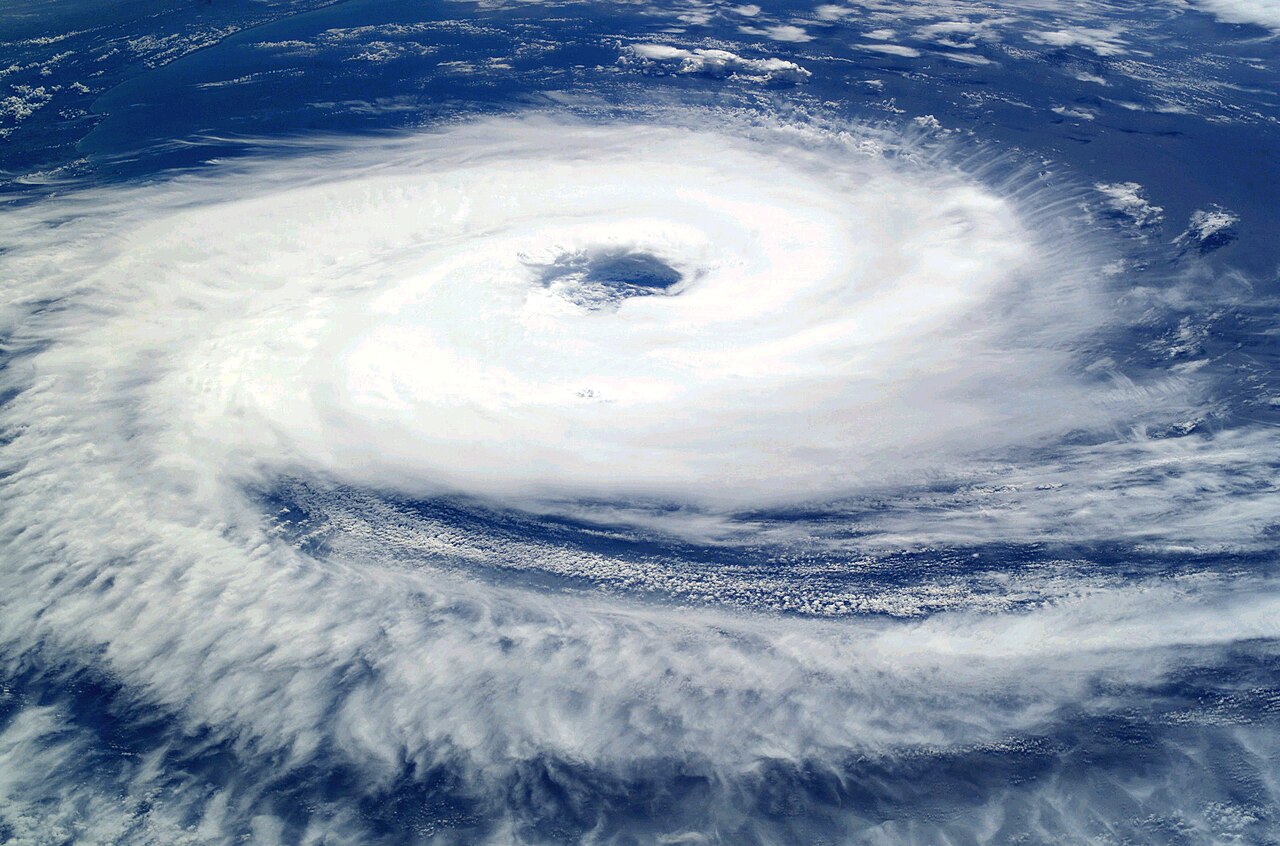

How ACE is calculated
The ACE value for a single tropical cyclone is computed by sampling the system's maximum sustained surface wind every six hours, squaring that wind speed, and summing the squared values while the system meets or exceeds tropical storm strength. In practice this is implemented as:
- Use the maximum 1‑minute sustained wind (in knots) at six‑hour intervals.
- Include only observations when the system is at or above the tropical storm threshold (about 34 knots).
- Square each wind speed value and accumulate them for the life of the storm.
- Scale the total by a conventional factor (commonly 10,000) to produce the ACE number used in reports.
ACE is therefore proportional to the sum of the squared wind speeds, making it sensitive to both how strong and how long storms remain intense.
Uses and interpretation
ACE is widely used to compare the activity of different seasons, to rank storms by their cumulative energetic output, and to study variability and trends in tropical cyclone activity. Seasonal ACE is simply the sum of ACE values for all storms in the season and is cited in operational summaries and climatological analyses. Agencies such as NOAA publish ACE statistics alongside storm counts and intensity measures, and researchers use ACE when examining links between cyclone activity and large‑scale drivers like sea surface temperatures and climate oscillations.
Limitations and related metrics
ACE focuses on wind energy and does not account directly for storm size, rainfall, forward speed, storm surge potential, or economic losses. For some applications researchers use complementary indices such as the Power Dissipation Index (PDI), which weights wind speed differently and accentuates higher intensity values, or separate size metrics to capture spatial extent. Because ACE only includes periods at or above tropical storm strength, long periods of weaker subtropical or remnant cyclonic circulation are excluded.
When interpreting ACE, remember it is a basin‑scale and season‑scale metric: a season with many short, weak storms can have the same ACE as a season dominated by one long‑lived intense hurricane. For official summaries and historical records of Atlantic activity see agency resources and seasonal reports on Atlantic hurricane seasons.
Tags
Related articles
Author
AlegsaOnline.com Accumulated Cyclone Energy (ACE): definition, calculation, and uses Leandro Alegsa
URL: https://en.alegsaonline.com/art/656