
Nevado de Cachi
Nevado de Cachi is a multi-summit massif in the Argentine Andes with a highest point near 6,380 m. Located in Salta Province, it is notable for mountaineering, local culture, and glacial and climatic study.
Overview
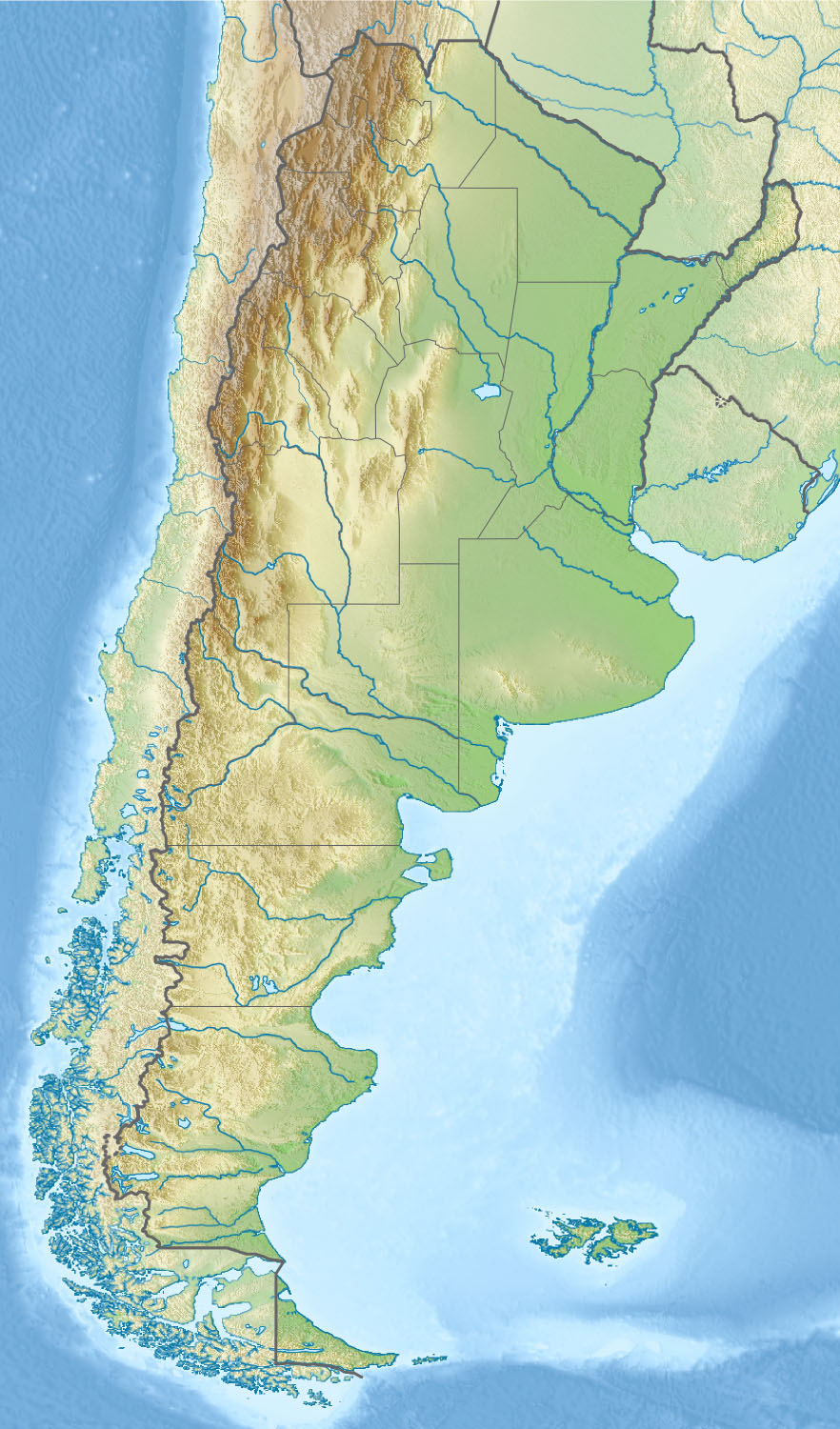
Nevado de Cachi is a high mountain massif in the Andes of northwestern Argentina. The tallest summit of the complex reaches about 6,380 metres (20,930 ft), making it one of the higher peaks of the central Andes and a prominent feature of Salta Province. The group of peaks rises above the Calchaquí Valleys and lies within a landscape of steep ridges, deep valleys and seasonal snowfields. Readers can find basic geographic listings under Nevado de Cachi and broader Andean context via Andes references.
Image gallery
4 Images


Physical characteristics
The Cachi massif consists of several summits rather than a single isolated cone. High altitude conditions produce long winters, intense solar radiation and strong diurnal temperature swings. Historically the higher slopes harbored permanent or semi-permanent ice and small glaciers, though like many Andean glaciers these have diminished in recent decades. Vegetation is limited by elevation: high puna grasslands and hardy shrubs occur on lower slopes, while only lichens and mosses survive near the highest ridgelines.
History and human use
The region around Nevado de Cachi has been inhabited for millennia, and local indigenous groups used high Andean passes for trade and seasonal pasturing. In the modern era the massif attracted scientific attention for its glaciers and climate records and has been a destination for climbers and naturalists. Documented mountaineering activity dates from the late 19th and early 20th centuries, and routes of varying difficulty now lead to several summits. Practical access is usually arranged from towns in Salta Province, with common approaches described in local guides and mountaineering reports such as those catalogued at regional climbing resources.
Mountaineering and access
Climbs on Nevado de Cachi range from long high-altitude walks to steeper snow and mixed routes depending on season and summit chosen. Acclimatization is essential because of the elevation, and weather can change rapidly. Base camps and approach trails are commonly staged from communities near the town of Cachi and other valley settlements; route information and safety advisories are available through provincial tourism offices and specialized mountaineering pages like local guides.
Significance and conservation
Beyond recreation, the massif is important as a source of hydrological runoff supporting valleys below and as an indicator of regional climate trends. Its ranking among Andean peaks (often listed among the top 30 by height) gives it geographical prominence, but it is lower than the highest Andean volcanoes and Aconcagua. Conservation concerns focus on water resources, glacial retreat and the impacts of increasing visitation; researchers and local authorities monitor these issues and publish findings through scientific and governmental channels such as regional studies.
For those planning visits: prepare for high-altitude conditions, respect local land uses, and consult current maps and experienced guides before attempting climbs.
Related articles
Author
AlegsaOnline.com Nevado de Cachi Leandro Alegsa
URL: https://en.alegsaonline.com/art/69423