
Neuroptera — net‑winged insects including lacewings, antlions, and mantidflies
Neuroptera is an order of net‑winged insects (about 6,000 described species). Adults have four veined membranous wings and larvae are mostly predatory; many species are ecologically important.
Overview
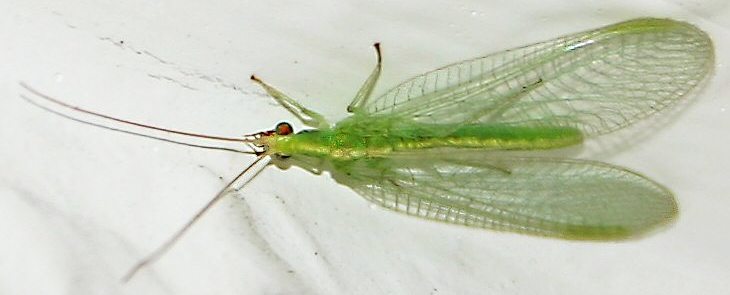
Neuroptera is an order of primarily predatory insects commonly called the net‑winged insects. Well‑known members include the lacewings, mantidflies and antlions. Adult neuropterans typically have four similar, membranous wings crisscrossed by numerous veins, giving them a delicate, lacy appearance. For a general grouping of related taxa see net‑winged insects and for a closer look at one familiar family see lacewings.
Image gallery
10 Images



Anatomy and life cycle
Adults of Neuroptera possess chewing mouthparts and two pairs of roughly equal wings with a dense venation pattern. The order undergoes complete metamorphosis, with distinct egg, larval, pupal and adult stages. Larvae are usually elongate, mobile and equipped for hunting: many bear sickle‑shaped jaws used to seize prey and inject digestive enzymes. Pupation often occurs in silken cocoons or in soil and debris.
Diversity and evolutionary history
Described diversity in Neuroptera is modest compared with some insect orders, numbering roughly six thousand species worldwide. The group has an ancient fossil record and first appears as a distinct lineage in the geological record around the Permian period. Fossils from later eras document diversification into numerous families, and extinct lineages reveal a broader past variety of forms.
Ecology, behavior and human importance
Most neuropterans, in both larval and adult stages, are predators on small arthropods such as aphids, mites and insect eggs. Their predatory habits make certain species, particularly many lacewing larvae, valuable in agricultural biological control. Some taxa, like antlions, have distinctive hunting behaviors — antlion larvae dig conical pits to trap ants and other small insects. Mantidflies illustrate convergent evolution by resembling tiny mantids while belonging to Neuroptera.
Notable groups and identification
- Lacewings — delicate, green or brown adults; larvae are voracious predators and often used in pest control. (lacewings)
- Antlions — larvae known as 'doodlebugs' that build pitfall traps. (antlions)
- Mantidflies — mantis‑like front legs and predatory habits within Neuroptera.
Distinguishing neuropterans from superficially similar insects relies on wing venation, complete metamorphosis, and the combination of predatory larvae with membranous, netted wings in adults. For further reading and taxonomic resources see specialist summaries and faunal keys (net‑winged insects, complete metamorphosis).
Related articles
Author
AlegsaOnline.com Neuroptera — net‑winged insects including lacewings, antlions, and mantidflies Leandro Alegsa
URL: https://en.alegsaonline.com/art/69361