
Nerthus — Germanic fertility goddess attested by Tacitus
Nerthus is a deity of fertility and peace known from Roman-era sources. Tacitus' account describes island rites, a sacred procession and rituals that influenced later scholarship on Germanic religion.
Overview
Nerthus is a theonym recorded in a single extended account from the Roman period. In that source she appears as a goddess associated with fertility, ritual visitation and communal peace. Modern knowledge of Nerthus depends primarily on that one testimony and on linguistic comparisons within Germanic languages.
Image gallery
9 Images


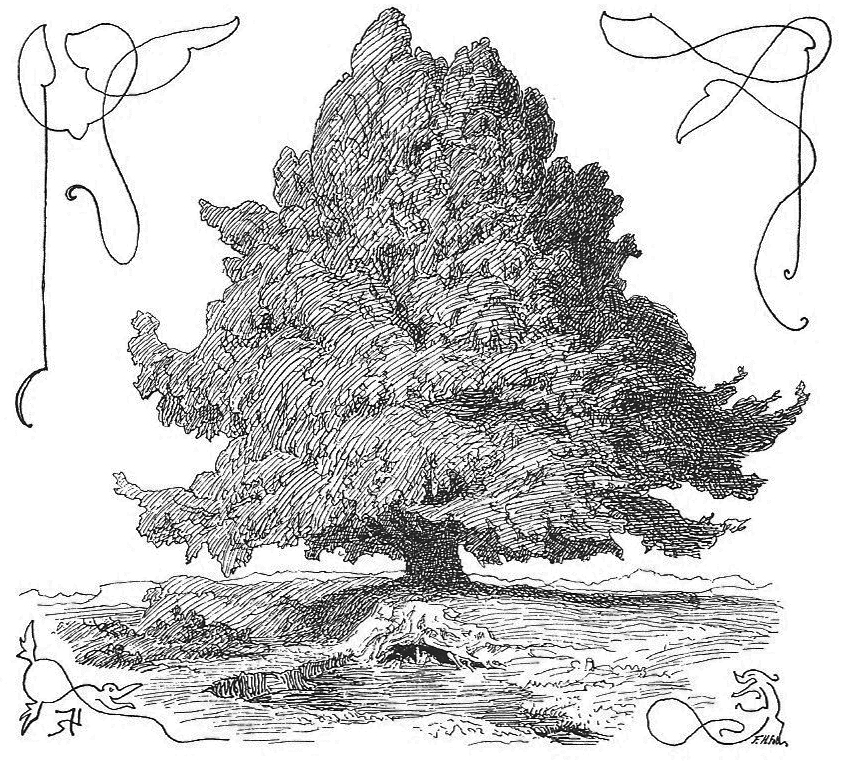
Primary source and classical description
The main ancient witness to Nerthus is the Roman historian Tacitus, who described Germanic customs in his work Germania. Tacitus reports that Nerthus visited an island where her arrival triggered widespread celebration and that during these visits weapons were put away so people would not offend her. Readers should note that interpretations rely on Tacitus' testimony and on how later scholars read his brief passage. See also discussions by commentators on the author and his methods (Tacitus, classical studies).
Rituals and characteristics
- Association with fertility and the land: celebrations appear linked to communal wellbeing and productive seasons (fertility).
- Procession and sacred space: Tacitus describes a goddess visiting an island and being received with rites that temporarily suspended hostilities (peace).
- Material culture: the account mentions a sacred vehicle and attendants, details that have prompted debate about ceremonial practice.
History, interpretation and scholarly debate
Since Tacitus' report there has been lively academic discussion about Nerthus' place in Germanic religion. Some linguists note a possible connection between Nerthus and the Norse name Njörðr, suggesting an older shared root in the Germanic languages; others emphasize the uncertain transmission of names and gender roles over centuries. Modern reconstructions vary: some view Nerthus as a continental counterpart to later Scandinavian deities, while others treat her as a distinct regional cult known only from one account (Germanic paganism).
Legacy and modern reception
Nerthus figures in studies of early Germanic belief and in modern popular and scholarly reconstructions of pre-Christian religion. She is often invoked in discussions about how ancient communities ritualized peace and fertility, and in debates about continuity between continental and Scandinavian traditions. For further introductory resources and debates consult general surveys and specialist literature (ancient northern peoples, classical commentary, fertility cult studies).
Note: Because the evidence is limited, most claims about Nerthus are cautious reconstructions rather than established historical facts.
Related articles
Author
AlegsaOnline.com Nerthus — Germanic fertility goddess attested by Tacitus Leandro Alegsa
URL: https://en.alegsaonline.com/art/69215