
West Bengal: geography, history, culture and economy
Overview of West Bengal, an eastern Indian state: geography, climate, history, major cities, culture, and economic importance including Kolkata and the Bengal region.
West Bengal is a state in the eastern part of India that forms the western portion of the historic and cultural region known as Bengal. Its people are predominantly Bengali speakers and share close linguistic and cultural ties with neighboring Bangladesh. The state capital and largest city is Kolkata, a long-established commercial and cultural centre. West Bengal is one of India’s most populous states and a significant contributor to India’s economy.
Image gallery
10 Images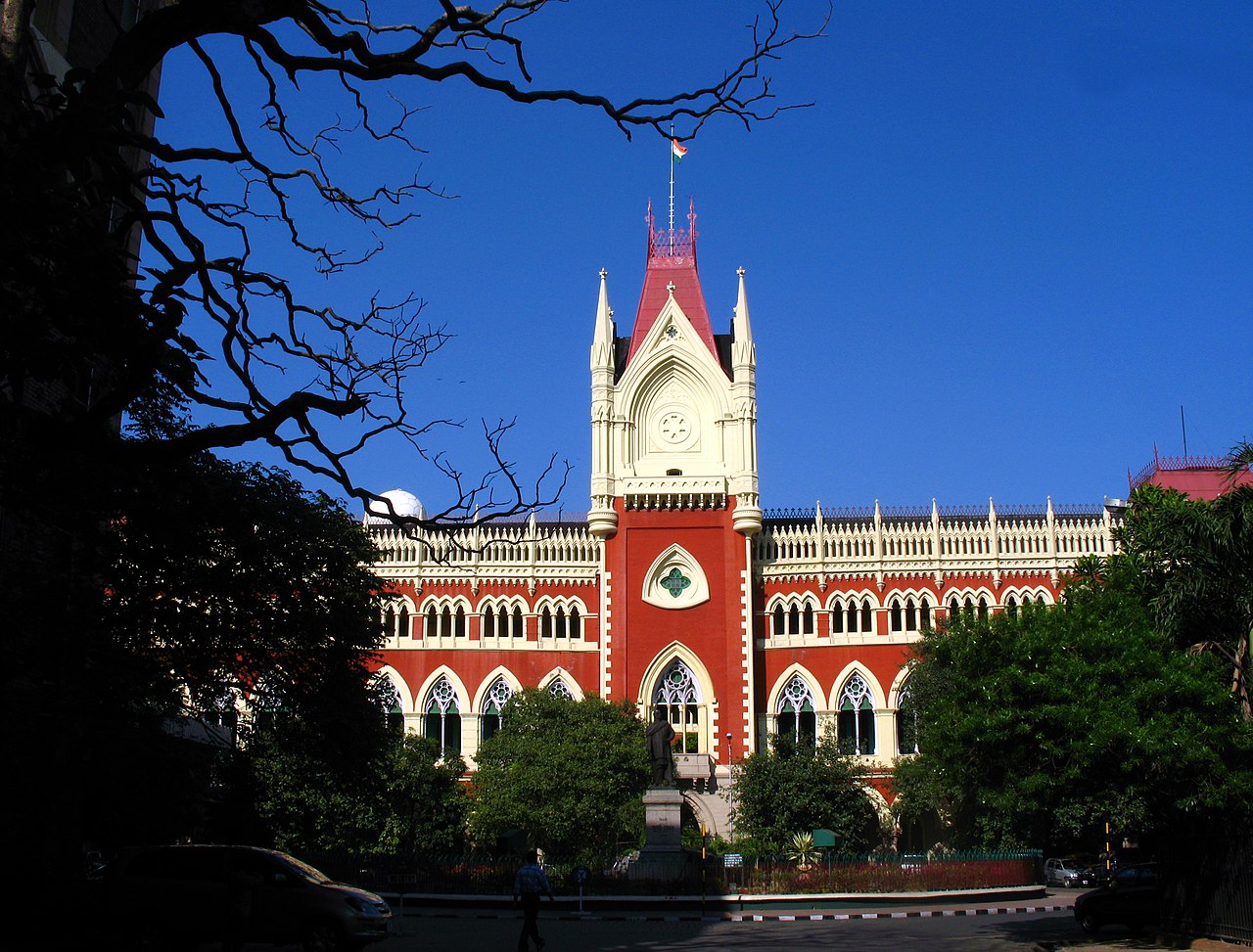





Geography and climate
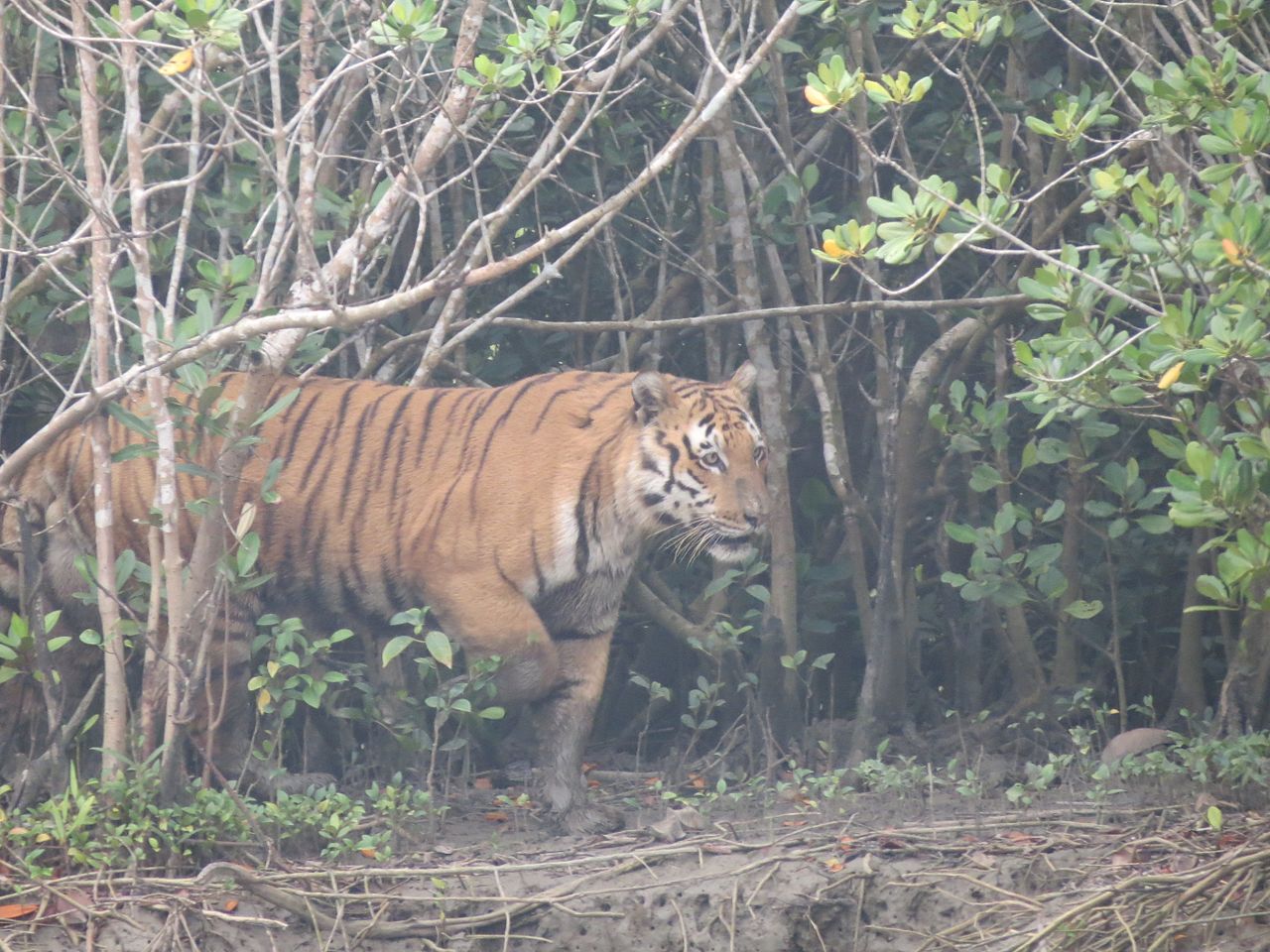
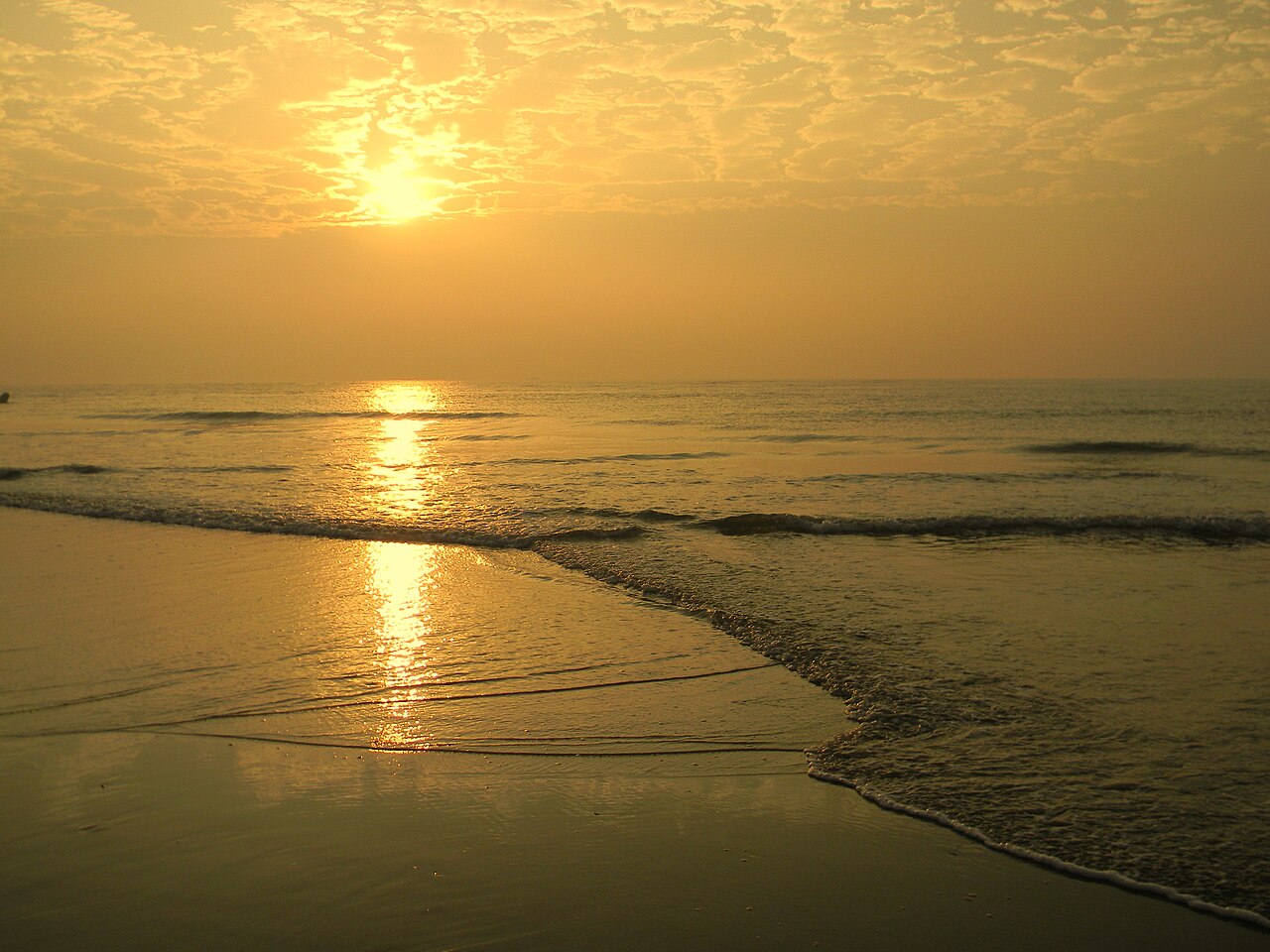
West Bengal stretches from the Himalayan foothills in the north to the Bay of Bengal in the south, encompassing a wide range of landscapes: tea-covered hills around Darjeeling, the fertile Gangetic plains, and the low-lying Sundarbans mangrove delta. The state lies in the tropical and subtropical climatic zones and is dominated by a strong monsoon season; summers are hot and humid while winters are generally mild and drier, reflecting the region’s tropical climate. In size it occupies an area larger than some small countries; for rough comparison it is larger than Serbia but smaller than Jordan, illustrating its substantial but varied territory.
History and identity
The Bengal region has a long recorded history, with ancient kingdoms, extensive trade links, and a rich tradition of learning and the arts. During the colonial period Bengal was a major administrative and economic province. The 20th century brought intense political and social change, including movements for cultural revival, nationalism and, in 1947, the partition that divided Bengal between India and East Pakistan (later Bangladesh). These events shaped a distinct West Bengali identity rooted in language, literature, and civic institutions.
Economy and infrastructure
West Bengal’s economy combines agriculture, industry and a growing services sector. Rice, jute, tea and fisheries are important agricultural products, while manufacturing ranges from heavy industry and jute mills to engineering and chemicals. Kolkata functions as a banking, education and transport hub, with ports and rail links that support trade across eastern India and the Bay of Bengal. The state is recognized as an important contributor to national economic output and hosts a mixture of traditional industries and emerging services.
Culture and society
Cultural life in West Bengal is notable for its literature, theatre, cinema, music and visual arts. The region produced influential writers, musicians and filmmakers and maintains a lively public culture of festivals, most famously Durga Puja, which combines religious observance with large-scale public celebration. Bengali cuisine, visual arts, and a strong tradition of education and journalism contribute to a distinctive civic culture.
Major cities and notable facts
- Kolkata — state capital and cultural-economic centre.
- Siliguri — transport and logistics hub near the Himalayan foothills.
- Darjeeling — hill station famous for tea and scenic views.
- Howrah and Durgapur — industrial and manufacturing centres.
- The Sundarbans — a UNESCO-recognized mangrove region important for biodiversity and coastal protection.
Today West Bengal balances its historical heritage with modern development challenges: managing urban growth, sustaining agriculture, protecting unique ecosystems, and expanding education and industry. Its cultural influence and strategic location on India’s eastern frontier continue to make it a region of national and international significance.
East Indian geographic classifications and more detailed regional studies are often used to place West Bengal within the broader patterns of South Asian geography and history. For further reading and specialized resources see regional overviews and official state portals associated with each subject area.
Bengali language and literature, India's administrative context, economic summaries at national level, cross-border ties with Bangladesh, urban studies referring to Kolkata, comparative geography with states and countries like Serbia and Jordan, climatalogical notes on tropical conditions, and classifications such as the East Indian zone are all areas where readers can pursue more detailed information.
Questions and answers
Q: Where is West Bengal located?
A: West Bengal is located in the eastern part of India.
Q: What is the population of West Bengal?
A: As of 2001, the population of West Bengal was 80,221,171.
Q: What is the capital city of West Bengal?
A: The capital city of West Bengal is Kolkata.
Q: How does West Bengal compare in terms of population to other sub-national entities in the world?
A: West Bengal is the seventh most populous sub-national entity in the world.
Q: What is the climate like in West Bengal?
A: West Bengal has a tropical climate, characterized by hot and humid summers and cooler winters.
Q: What is the main language spoken in West Bengal?
A: The main language spoken in West Bengal is Bengali.
Q: What is the relationship between West Bengal and Bangladesh?
A: Both West Bengal and Bangladesh are parts of the historical and geographic region of Bengal. Additionally, Bengalis live in both West Bengal and Bangladesh.
Related articles
Author
AlegsaOnline.com West Bengal: geography, history, culture and economy Leandro Alegsa
URL: https://en.alegsaonline.com/art/107331
Sources
- world-gazetteer.com : "India: Administrative Divisions (population and area)"
- mospi.nic.in : Gross Domestic Product by prices as of February 28, 2008
- commons.wikimedia.org : West Bengal