
Nymphaeaceae (water-lily family)
Nymphaeaceae, the water-lily family, is an aquatic group of basal flowering plants known for floating leaves and showy flowers; widespread in freshwater habitats and placed near the base of angiosperm phylogeny.
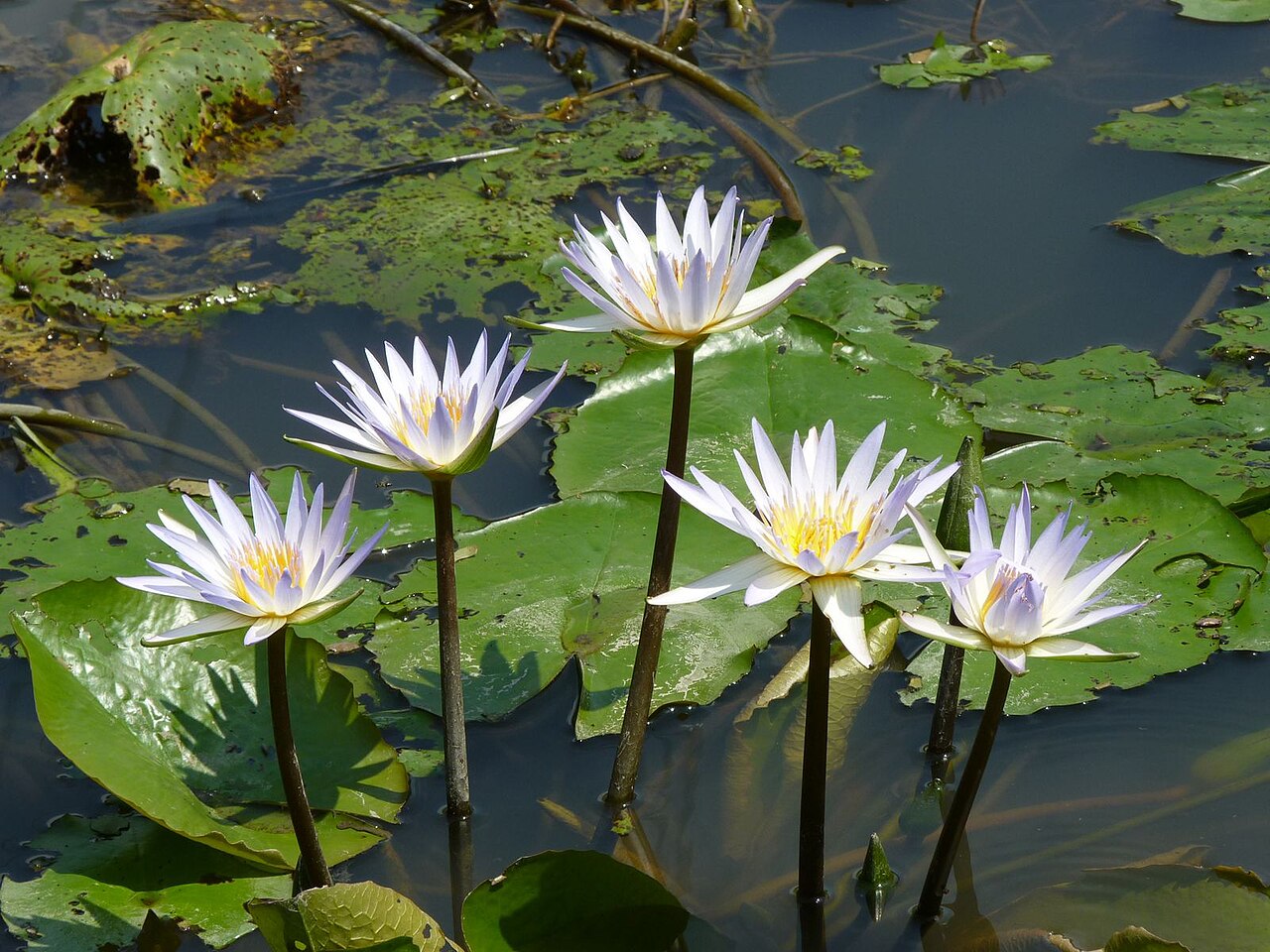
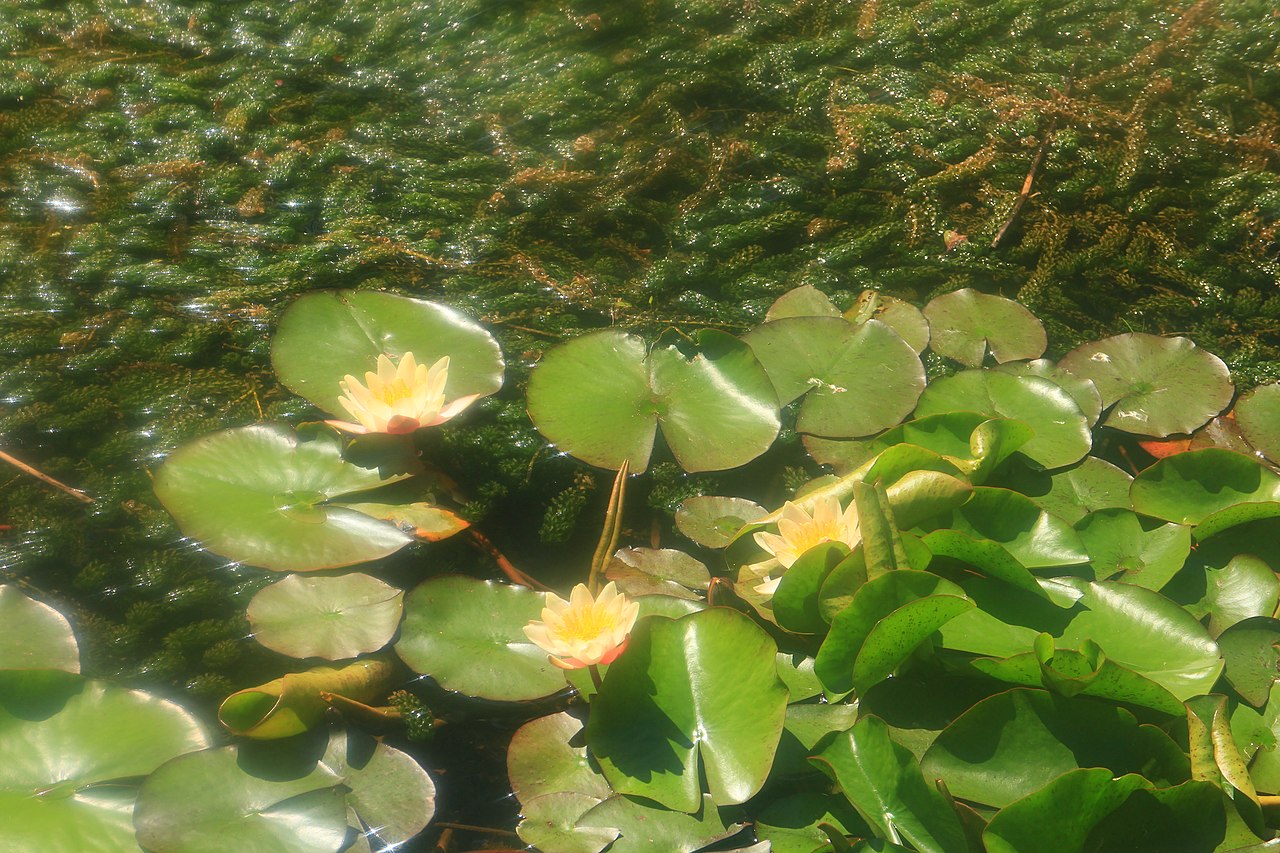
In botany, Nymphaeaceae is the family commonly called the water-lily family. These are herbaceous, aquatic flowering plants that grow in still or slow-moving freshwater. Members of the family are famous for large, often fragrant flowers and circular floating leaves that rest on the water surface. The family includes well-known genera such as Nymphaea, Nuphar and Victoria, and occurs in temperate to tropical regions worldwide.
Image gallery
10 Images






Key characteristics
Nymphaeaceae share a set of morphological features adapted to an aquatic life. Typical traits include:
- rhizomatous or tuberous rootstocks anchoring plants in sediment;
- large, peltate leaves with stomata mostly on the upper surface;
- showy flowers with many petaloid tepals and numerous stamens, often arranged in spirals;
- flowers borne on stalks that rise above or sit at the water surface;
- seeds and fruits developed from superior or semi-inferior ovaries suited to dispersal in water or by animals.
Evolutionary position and history
Because of their floral structure and fossil record, water-lilies long attracted attention as one of the early-diverging lineages of angiosperms. Modern molecular and comparative studies, including several genetic analyses coordinated by groups such as the Angiosperm Phylogeny Group, place Nymphaeaceae in the order Nymphaeales. In many recent classifications this order is resolved near the base of the flowering-plant tree, typically as the second lineage to diverge after Amborella, giving Nymphaeaceae a central role in studies of early angiosperm evolution and the origin of floral traits. Fossil evidence indicates representatives of the group existed by the Early Cretaceous.
Ecology, uses and cultural importance
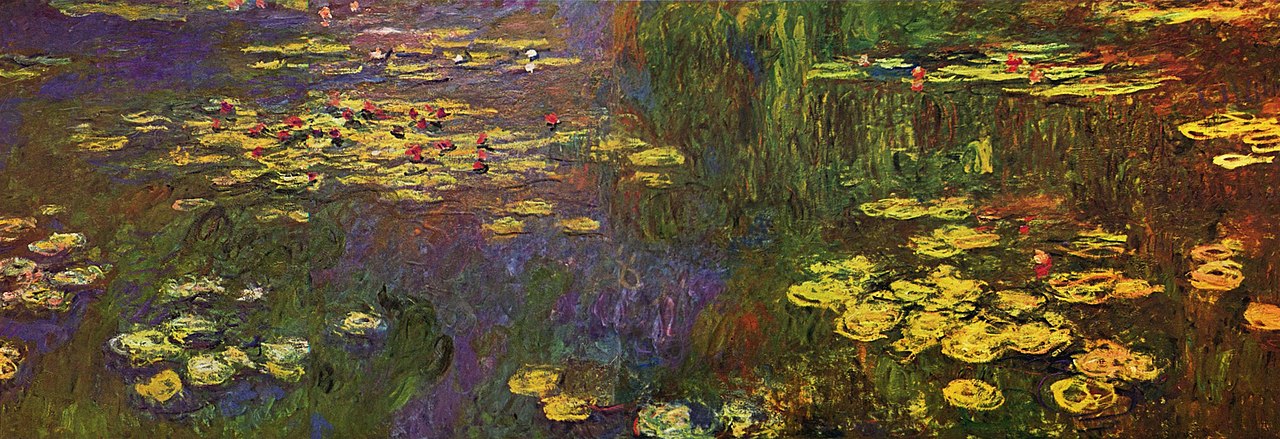
Water-lilies contribute to freshwater ecosystems by providing habitat, shading water to influence temperature and light regimes, and supporting pollinators. They are popular in ornamental gardening and pond design for their striking blooms. While they are often called "lotus" in casual speech, true lotus plants belong to a different family (Nelumbonaceae), a distinction important in horticulture and cultural discussion. Some species have been used locally for food or traditional purposes, and their large flowers and leaves feature in art and symbolism around the world.
Distinguishing facts and research relevance
Nymphaeaceae are more diverse and geographically widespread than several other early-branching angiosperm groups, which makes them valuable for comparative work on flower evolution, development, and pollination biology. Their combination of primitive-looking floral features and extensive diversity helps botanists infer ancestral states of flowering plants. For further general information on aquatic plants, see resources about plants and current discussions of their basal position in angiosperm phylogeny.
Researchers and enthusiasts can consult modern treatments and checklists of Nymphaeaceae to follow taxonomic changes and conservation status; introductory references are available through botanical databases and overview texts on the evolution of flowering plants (botany, genetic analyses and the Angiosperm Phylogeny Group). For a focused discussion of the order, see materials on Nymphaeales and comparative treatments that place the family in context with Amborella and other basal lineages.
Questions and answers
Q: What is Nymphaeaceae?
A: Nymphaeaceae is the name of a family of plants which grow in water, also known as water-lily family.
Q: What do the flowers of Nymphaeaceae suggest about them?
A: The flowers of Nymphaeaceae suggest they are one of the earliest groups of angiosperms.
Q: What did the genetic analyses by the Angiosperm Phylogeny Group researchers confirm about Nymphaeaceae?
A: The genetic analyses by the Angiosperm Phylogeny Group researchers confirmed that Nymphaeaceae has a basal position among flowering plants.
Q: How diverse and widespread are Nymphaeaceae compared to other basal angiosperms?
A: Nymphaeaceae are more diverse and widespread than other basal angiosperms.
Q: What is the order of Nymphaeaceae?
A: Nymphaeaceae is in the order Nymphaeales.
Q: According to the most widely accepted flowering plant classification system, which group of angiosperms diverges after Amborella?
A: According to the most widely accepted flowering plant classification system, the second diverging group of angiosperms after Amborella is Nymphaeales, which includes Nymphaeaceae.
Q: What did the researchers from the Angiosperm Phylogeny Group focus on to conduct their genetic analyses?
A: The researchers from the Angiosperm Phylogeny Group focused on genetic analyses to study the evolutionary relationships among flowering plants.
Related articles
Author
AlegsaOnline.com Nymphaeaceae (water-lily family) Leandro Alegsa
URL: https://en.alegsaonline.com/art/71560
Sources
- www3.interscience.wiley.com : "An update of the Angiosperm Phylogeny Group classification for the orders and families of flowering plants: APG III"
- doi.org : 10.1111/j.1095-8339.2009.00996.x
- linnean.org : As easy as APG III - Scientists revise the system of classifying flowering plants
- hortweek.com : APG III tidies up plant family tree