
Atelopus longirostris — the long-snouted harlequin frog of Ecuador
A concise, neutral overview of Atelopus longirostris: appearance, range in northern Ecuador, history of decline and rediscovery, threats, and conservation considerations.
Overview
Atelopus longirostris is a small, brightly patterned amphibian in the harlequin frog group, placed in the true toad family Bufonidae. Commonly referred to as a jambato in parts of the Andes, this species is notable for its slender body and relatively elongated snout. It is known from montane areas in northern Ecuador, where it occupies streams and adjacent vegetation at mid to high elevations.
Image gallery
2 Images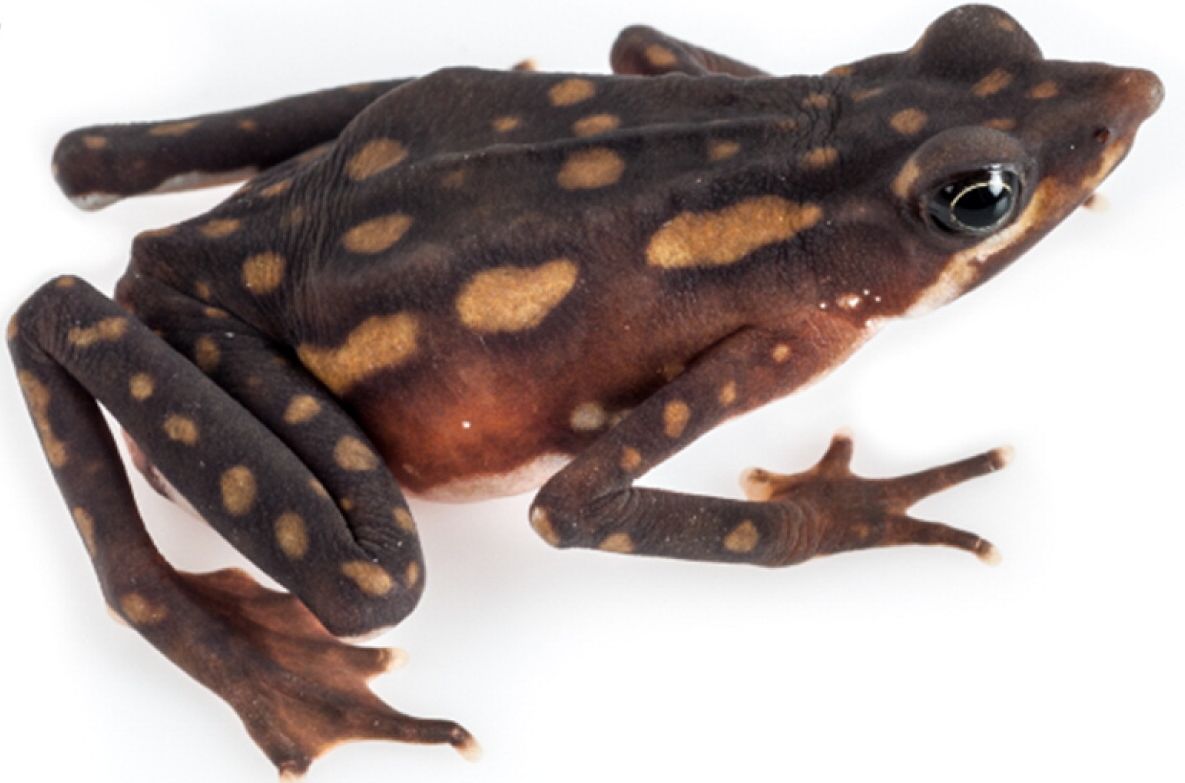

Physical characteristics
Individuals of this species typically show vivid coloration and contrasting markings that can vary between populations. The specific name longirostris refers to a longer-than-average snout compared with some congeners. Like other Atelopus species, it has smooth to slightly granular skin, long limbs adapted for walking and short hops, and reproductive behavior tied to flowing water where eggs and tadpoles develop.
Distribution, habitat and ecology
Atelopus longirostris has a very restricted geographic range, historically recorded from cloud forest and páramo edge habitats in the Andean slopes of northern Ecuador. It is associated with clean, well-oxygenated mountain streams and riparian zones. The species is primarily diurnal and is often observed on rocks and vegetation near running water, where adults feed on small invertebrates.
History and rediscovery
Populations of Atelopus longirostris declined sharply in the late 20th century and the species had not been observed for many years, leading to concerns it might be extinct. Field surveys failed to locate it for decades, but a small number of sightings reported in the 21st century renewed hope. A notable rediscovery of living individuals was reported in 2016, demonstrating that remnant populations persisted despite severe declines.
Threats and conservation
Like many Atelopus species, this frog has been affected by several interacting threats. Primary pressures include chytridiomycosis (a fungal disease linked to amphibian declines worldwide), habitat loss and fragmentation from agriculture and development, pollution of mountain streams, and possible climate-driven changes in cloud forest environments. Conservation work emphasizes continued monitoring, protection of stream and forest habitats, research on disease dynamics, and consideration of captive-breeding or assurance colonies where appropriate.
Notable facts and distinctions
- Atelopus longirostris belongs to a genus that includes many brightly colored species, several of which have experienced dramatic declines.
- The long snout is a distinguishing feature referenced in the species name but coloration and patterning can vary locally.
- Rediscovery of species once thought lost highlights the importance of targeted surveys and local ecological knowledge for conservation planning.
Continued research and habitat protection are needed to clarify the current status of Atelopus longirostris and to support recovery actions. For updates on taxonomy, conservation status and field studies, consult specialist literature and regional conservation organizations working in the Andes.
Related articles
Author
AlegsaOnline.com Atelopus longirostris — the long-snouted harlequin frog of Ecuador Leandro Alegsa
URL: https://en.alegsaonline.com/art/6906
Sources
- iucnredlist.org : Atelopus longirostris
- wikidata.org : Q2706540
- species.wikimedia.org : Atelopus longirostris
- animaldiversity.org : Atelopus_longirostris
- amphibiaweb.org : 59 · web.archive.org
- eol.org : 1019239
- gbif.org : 5216619
- inaturalist.org : 21698
- irmng.org : 10194530
- itis.gov : 207218
- apiv3.iucnredlist.org : 54522
- ncbi.nlm.nih.gov : 164297
- ubio.org : 26290