
Atlantic cod (Gadus morhua): biology, fisheries and conservation
Comprehensive overview of Atlantic cod—its biology, habitat, role in fisheries and cultural importance—plus history of exploitation and contemporary conservation measures.
Overview
The Atlantic cod (Gadus morhua) is a temperate, cold‑water marine fish of the family Gadidae that has been central to North Atlantic ecosystems and human fisheries for centuries. It occurs throughout the northern Atlantic Ocean and has played a major role in the economies and cuisines of coastal communities on both sides of the Atlantic. Young cod occupy different parts of the water column than adults and the species displays variable life histories across its range.
Image gallery
10 Images




Physical characteristics and life cycle
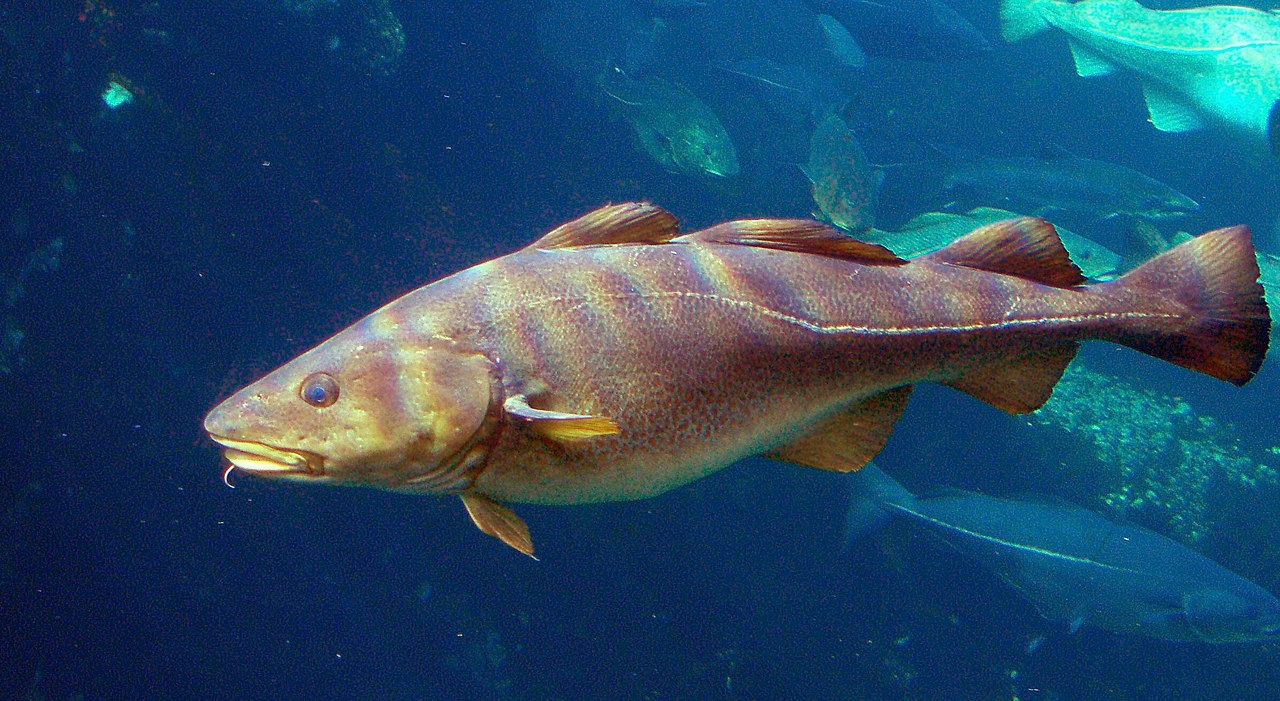
Atlantic cod are typically elongated with a stout body, three dorsal fins and two anal fins, and a distinctive single chin barbel used for sensing prey. Coloration varies from greenish to brown or gray with mottling that helps camouflage against the seabed. Individuals can live more than a decade in many populations; growth rate and age at maturity vary by location and fishing pressure. Reproduction is seasonal: females release buoyant eggs into the water where they hatch into planktonic larvae before settling to demersal habitats as juveniles.
Distribution and habitat
Cod are native to the northern Atlantic and are found from temperate to subarctic waters. They inhabit continental shelves and slope regions, with juveniles often found in shallower, more pelagic zones and adults commonly feeding near or on the seabed. For an overview of the broader region where they occur, see northern Atlantic habitat summaries. The species interacts with a range of prey and competitors; typical prey items include small fishes such as herring and a variety of benthic invertebrates such as molluscs.
Feeding and ecological role
Atlantic cod are opportunistic predators. Their diet shifts with size and availability of prey: juveniles eat plankton and small invertebrates, while larger fish feed on other fishes and larger benthic organisms. As mid‑ to upper‑level predators in many coastal food webs, cod influence the abundance and distribution of prey species and can affect community structure when their numbers change substantially.
Fisheries, uses and cultural importance
Cod have been targeted by commercial and subsistence fisheries for hundreds of years. They are processed and consumed fresh, frozen, salted, dried and smoked—salted and dried cod (often called "bacalhau" or "stockfish" in various traditions) has particular cultural importance in parts of Europe and the North Atlantic. Intensive industrial fishing techniques in the 20th century dramatically increased landings and expanded markets, but also contributed to severe declines in some stocks.
Conservation, management and notable history
Several Atlantic cod stocks have experienced major collapses attributable primarily to overfishing, habitat alteration and changes in food webs. One of the best‑known events was the late 20th‑century collapse of many Newfoundland and Labrador stocks, which led to moratoria and long‑term socioeconomic consequences. Contemporary management relies on scientific stock assessments, catch limits, gear restrictions and protected areas; recovery has been variable and remains a focus of marine conservation and fisheries policy.
Distinctions and research directions
- Taxonomy: Gadus morhua is one of several commercially important cod species; related species occupy other regions of the Atlantic and Pacific—see species-level summaries.
- Adaptive variation: Populations differ in growth, timing of spawning and habitat use, which complicates management and restoration efforts.
- Ongoing studies: Research addresses climate sensitivity, population connectivity, fishing impacts and strategies to balance harvest with ecosystem resilience.
Understanding Atlantic cod requires integrating biology, fisheries science and human history. Its story illustrates both the value of a renewable marine resource and the challenges of sustaining it over the long term.
Questions and answers
Q: What is Atlantic cod?
A: Atlantic cod is a type of cod that can be found in the northern part of the Atlantic Ocean.
Q: How do younger Atlantic cod differ from older ones?
A: Younger Atlantic cod are found near the surface of the ocean, while the older ones live near the sea floor.
Q: Have humans consumed Atlantic cod?
A: Yes, Atlantic cod is one of the species of cod that has been consumed by humans.
Q: What kind of food does Atlantic cod eat?
A: Atlantic cod feeds on other smaller fish, such as herring, and molluscs.
Q: Where in the Atlantic Ocean can Atlantic cod be found?
A: Atlantic cod can be found in the northern part of the Atlantic Ocean.
Q: How does the diet of Atlantic cod affect its ecosystem?
A: Atlantic cod's diet of other smaller fish and molluscs can impact the populations of those species and potentially disrupt the balance of the ecosystem.
Q: What is the significance of understanding the behavior and feeding habits of Atlantic cod?
A: Understanding the behavior and feeding habits of Atlantic cod is important for maintaining sustainable fishing practices and preserving the overall health of the ocean's ecosystems.
Tags
Related articles
Author
AlegsaOnline.com Atlantic cod (Gadus morhua): biology, fisheries and conservation Leandro Alegsa
URL: https://en.alegsaonline.com/art/6986