
National Fascist Party (Partito Nazionale Fascista)
Italian political party founded by Benito Mussolini in 1919 that ruled Italy as a one‑party regime from 1922 to 1943, implementing fascist ideology, corporatist policies, and a paramilitary culture.

Overview
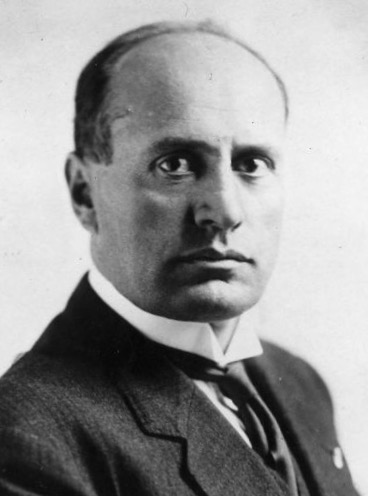
The National Fascist Party was the principal political organization that governed the Kingdom of Italy between 1922 and 1943. Founded in 1919 by Benito Mussolini, it is commonly referred to by its Italian name, the Partito Nazionale Fascista. Under its leadership Italy moved from a pluralist parliamentary system toward an authoritarian regime characterized by single‑party rule, intense nationalism and the suppression of political opposition.
Image gallery
5 Images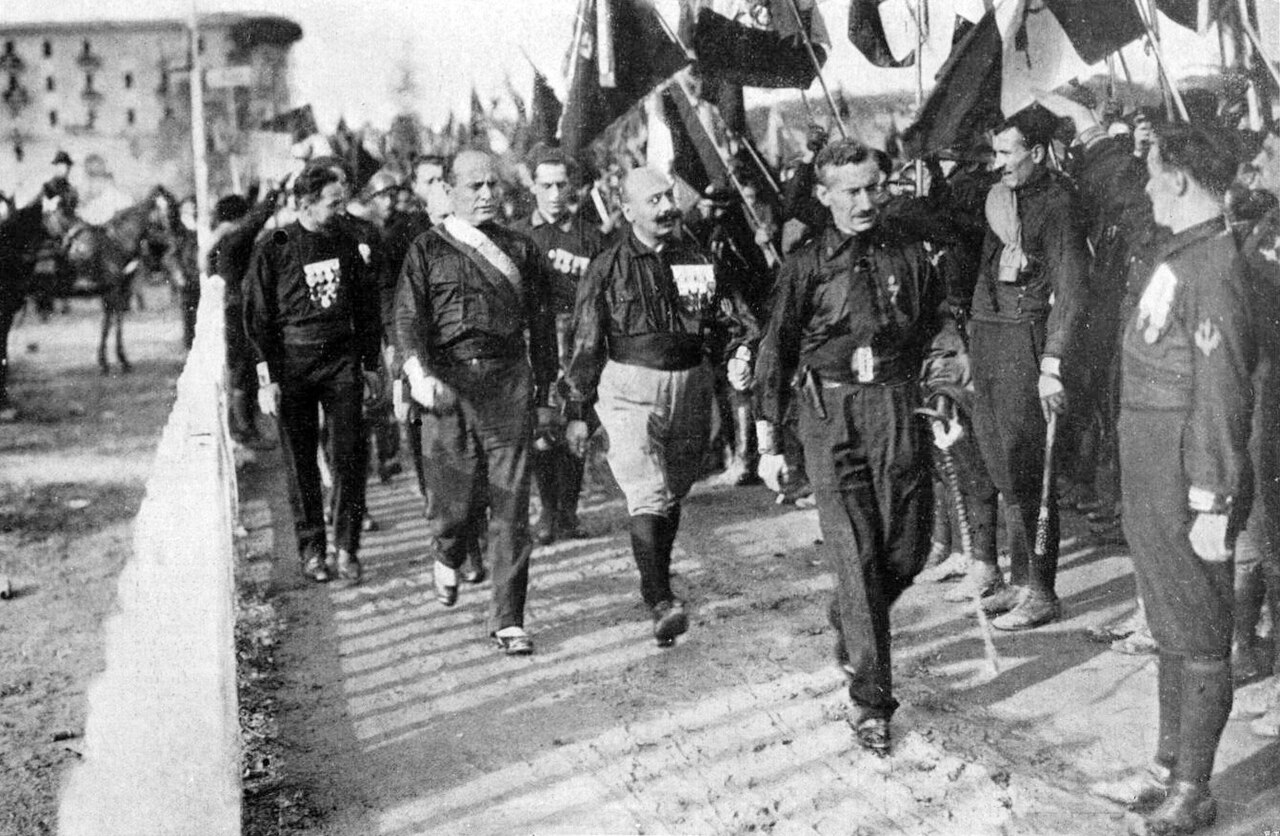


Origins and ascent
The party emerged from the turmoil that followed World War I: economic hardship, social unrest and political fragmentation created fertile ground for militant political movements. Local squads of violent activists known as the Blackshirts (squadristi) played a key role in intimidating opponents and breaking strikes. The movement’s decisive moment came in the autumn of 1922, when Mussolini and his followers staged the March on Rome, a show of force that pressured the monarchy to seek stability by appointing Mussolini as prime minister. King Victor Emmanuel III acquiesced rather than oppose the takeover, a decision that paved the way for legal and extra‑legal consolidation of power.
Organization, ideology and symbols
Fascism under the party combined fervent nationalism, anti‑socialist and anti‑liberal stances, and an emphasis on unity under a strong state. The PNF cultivated a paramilitary spirit, ritualized public ceremonies, and a cult of leadership around Mussolini. Institutional innovations included corporatism—a model that sought to organize economic life by occupational groups under state supervision—and a party structure that integrated youth and veterans’ organizations. These elements were promoted through propaganda, educational campaigns and tightly controlled media.
Rule and policies
Once in office, the party moved to eliminate political competition: laws, censorship, police action and political violence reduced opposition and transformed parliament into an instrument of the regime. Economic and social programs mixed state intervention with private enterprise, while major initiatives emphasized rearmament and imperial ambitions abroad. In the 1930s the regime aligned more closely with Nazi Germany, formalizing a political and military partnership that drew Italy into World War II. The government also introduced discriminatory racial laws in 1938; these measures reflected both internal policy choices and shifting international alignments.
Decline, fall and aftermath
Military setbacks and wartime crises eroded support for the regime. By mid‑1943 defeat in the war and loss of confidence among elite circles led to Mussolini’s removal from power in July 1943 and his arrest by order of the king. The party’s authority collapsed; it was effectively dismantled and later replaced in German‑occupied northern Italy by a short‑lived puppet administration after Mussolini’s rescue. The National Fascist Party ceased to function as a national governing body and was formally disbanded in the closing years of the war.
Notable facts and legacy
- The PNF was the principal Italian expression of 20th‑century fascism, influencing similar movements elsewhere while remaining rooted in Italian political culture.
- Its methods—use of paramilitaries, single‑party rule and state propaganda—became widely associated with authoritarian movements of the era.
- The party’s legacy is contested: historians examine both its social programs and its role in repression, war and human rights abuses.
For concise timelines and documents related to the party’s activities and legal transformations, see contemporary collections and scholarly overviews: one‑party state analyses and primary source compilations remain central to the study of this period.
Related articles
Author
AlegsaOnline.com National Fascist Party (Partito Nazionale Fascista) Leandro Alegsa
URL: https://en.alegsaonline.com/art/68589