
National Rally (Rassemblement national)
French political party founded in 1972, formerly the National Front; known for nationalist, Eurosceptic and anti-immigration positions and for the leaderships of Jean‑Marie and Marine Le Pen.

The National Rally (French: Rassemblement national) is a political party in France known for its national‑conservative and right‑wing populist orientation. Often described as part of the far right of the political spectrum, the party has been a persistent force in French public life since the 1970s. Its institutional identity and public image have evolved over decades, most visibly when it changed its name from the National Front and sought to broaden its appeal.
Image gallery
9 Images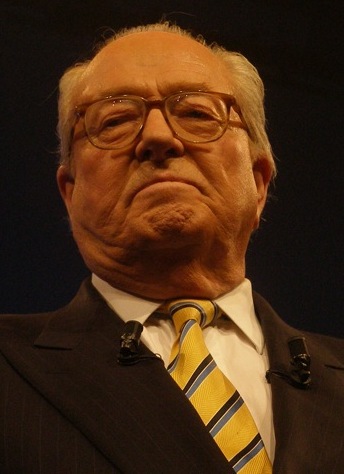



Origins and development
The party was founded on 5 October 1972 by Jean‑Marie Le Pen as the National Front for French Unity. For many years it concentrated on issues of national identity, law and order, and opposition to large‑scale immigration. Under Jean‑Marie Le Pen the party developed a polarizing reputation and attracted both committed supporters and fierce critics.
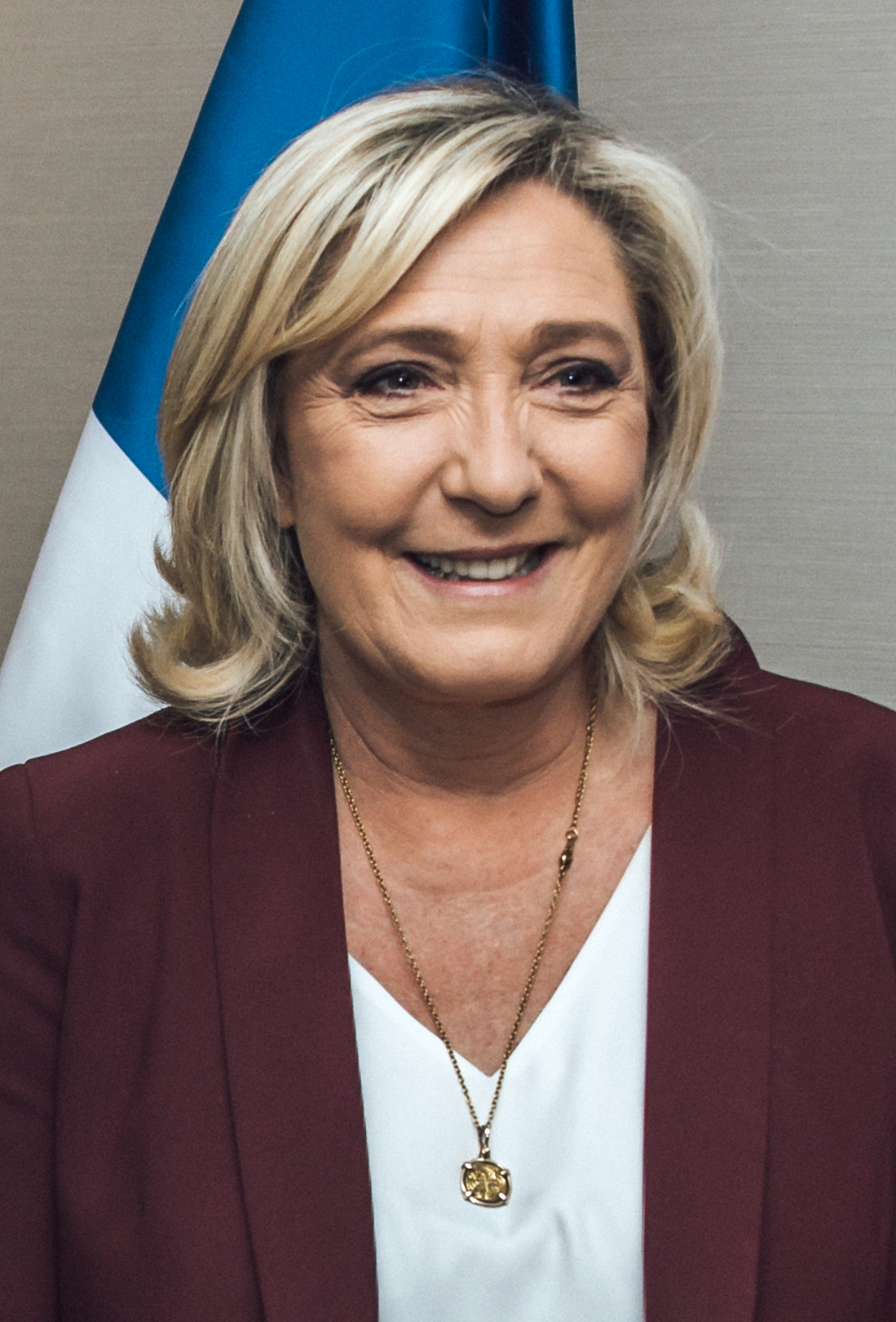
In 2011 leadership passed to his daughter, Marine Le Pen, who initiated a program of organizational renewal and image management sometimes called "de‑stigmatisation" or "normalisation." She removed or sidelined controversial figures, including her father, and steered the party toward a form of populist nationalism that emphasizes sovereignty and social protection while trying to broaden its electoral base. The movement formally adopted the name National Rally in 2018 as part of that repositioning.
Positions and structure
The National Rally's platform combines several recurring themes. It is explicitly patriotic in rhetoric, strongly Eurosceptic and critical of the current institutional form of the European Union. The party calls for tighter controls on immigration and more restrictive border and citizenship policies.
- Economic and social policy: favors state intervention in strategic sectors and protection for workers; supports public control or regulation of areas such as health, education, transport and certain utilities.
- Energy and industry: advocates national sovereignty in energy policy and may support public ownership or oversight of key energy infrastructure.
- Immigration and security: seeks stricter immigration limits and law‑and‑order measures; it frames these policies in terms of national cohesion and public safety (immigration).
Electoral performance and public impact
The party has had intermittent but significant electoral success. It won the largest share of the French vote in the 2014 European Parliament elections (around 24.85% in that contest) and has repeatedly been influential in regional and municipal contests. In presidential politics, the party reached the second round twice: Jean‑Marie Le Pen in 2002 and Marine Le Pen in 2017, the latter receiving roughly one‑third of the vote in the runoff. Legislative performances have been more mixed, with vote shares that at times translated into limited parliamentary representation.
Controversies and distinctions
The National Rally's history is marked by controversy. Opponents and many analysts have accused it of xenophobic and exclusionary rhetoric, and it has faced legal and public scrutiny over inflammatory statements by prominent members. Supporters argue the party gives voice to voters concerned about globalization, economic insecurity and cultural change. Over time the party has worked to reframe its message toward social protectionism combined with national sovereignty, a blend that sets it apart from classical left–right divisions in France.
For more detailed information on the party's statutes, electoral lists and official statements, consult primary sources and official party publications or reputable political databases and analyses. See also materials on the party's French name and wider ideological classification: Rassemblement national, descriptions of the far right, and profiles of key figures such as Jean‑Marie Le Pen and Marine Le Pen.
Further reading and data repositories can be accessed via dedicated political research portals and election archives: party information, national context at France, and thematic entries on patriotism, Euroscepticism, the European Union, immigration, health, education and energy.
Questions and answers
Q: What is the National Rally?
A: The National Rally is a far right political party in France. It used to be called the National Front until 2018.
Q: When was it founded?
A: The party was founded on 5 October 1972 by Jean-Marie Le Pen.
Q: What was its most successful performance in legislative elections?
A: Their most successful performance in the legislative elections was in 1997, where they received 14.9% of the vote in the 1st round and 5.7% in the 2nd round.
Q: Who were their two candidates for president?
A: The National Front has only had two candidates advance to the second round, Jean-Marie Le Pen in 2002 and his daughter Marine Le Pen in 2017.
Q: Who is currently leading the party?
A: Steeve Briois is now the temporary leader of the party.
Q: What are some of their beliefs?
A: The party is patriotic and very Eurosceptic (meaning they are against the European Union) and wants to limit immigration. Marine Le Pen supports letting the government control health, education, transportation, banking and energy.
Q: Why did Marine Le Pen step down from her position as leader of this party ?
A: On 24 April 2017, a day after the first round of the 2017 French presidential election, Marine Le Pen stepped down from her position as leader of this party .
Related articles
Author
AlegsaOnline.com National Rally (Rassemblement national) Leandro Alegsa
URL: https://en.alegsaonline.com/art/68685
Sources
- bbc.com : "Vive la difference – has France's National Front changed?"
- economist.com : "France in shock"
- telegraph.co.uk : "Marine Le Pen wins record victory for Front National in French elections"
- independent.co.uk : "European election results 2014: Far-right parties flourish across Europe"
- nytimes.com : "How France Voted"
- bbc.co.uk : "Marine Le Pen 'chosen to lead Frances National Front'"
- bbc.co.uk : "France's National Front picks Marine Le Pen as new head"
- bbc.com : "France National Front: Jean-Marie Le Pen suspended"
- lexpress.fr : "Jean-Marie Le Pen, exclu du Front national, fera "bien évidemment" un recours en justice"
- independent.co.uk : "Marine Le Pen temporarily steps down as Front National leader to concentrate on presidential bid"
- link.springer.com : "France: The Front National, Ethnonationalism and Populism"
- marianne.net : "Qu'est-ce qui fait échouer le Front de gauche ?"
- frontnational.com : "Immigration | Stopper l'immigration, renforcer l'identité française"
- nytimes.com : "Marine Le Pen, France's (Kinder, Gentler) Extremist"