
National Party of South Africa
A political party founded in 1914 that promoted Afrikaner nationalism, governed South Africa from 1948–1994 and enacted apartheid before negotiating its end in the early 1990s.
Overview
The National Party of South Africa was a political movement formed to represent Afrikaner interests and conservative nationalism. Founded in 1914, it evolved into the dominant governing party from 1948 until the transition to majority rule in 1994. During its decades in power the party implemented and defended a system of racial segregation known as apartheid, pursued policies intended to secure Afrikaner cultural and political influence, and later negotiated the dismantling of those policies under shifting domestic and international pressure.
Image gallery
10 Images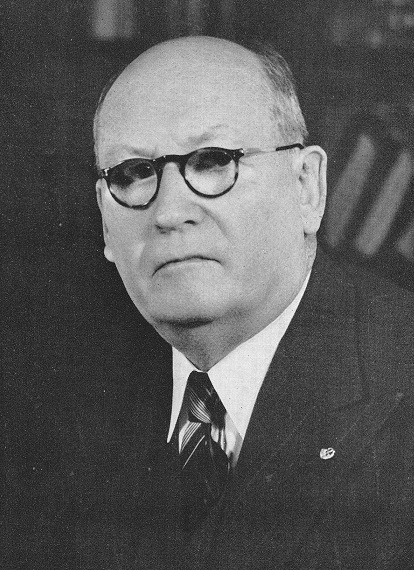




Origins and rise to power
The party emerged from divisions among white South African politicians over identity, language and relations with the British Empire following the South African War and the formation of the Union of South Africa. Its early base was made up of Afrikaner farmers, clerics and shopkeepers who felt economically and culturally disadvantaged. Electoral success came in stages, culminating in the 1948 victory by a National Party coalition led by D.F. Malan. That campaign combined appeals to Afrikaner nationalism with criticism of the incumbent United Party and its wartime leader, who had supported the United Kingdom during World War II.
Key characteristics and policies
- Ideology: Afrikaner nationalism, social conservatism and state-led racial segregation as official policy.
- Legal framework: Enactment of laws that defined population groups, segregated residential and social life, and regulated political rights.
- Economic and social aims: Promoting Afrikaner economic uplift, preserving rural constituencies and controlling urban labor markets.
- Security stance: Strong anti-communist rhetoric, internal security measures, and later states of emergency in response to unrest.
Government, leaders and notable events
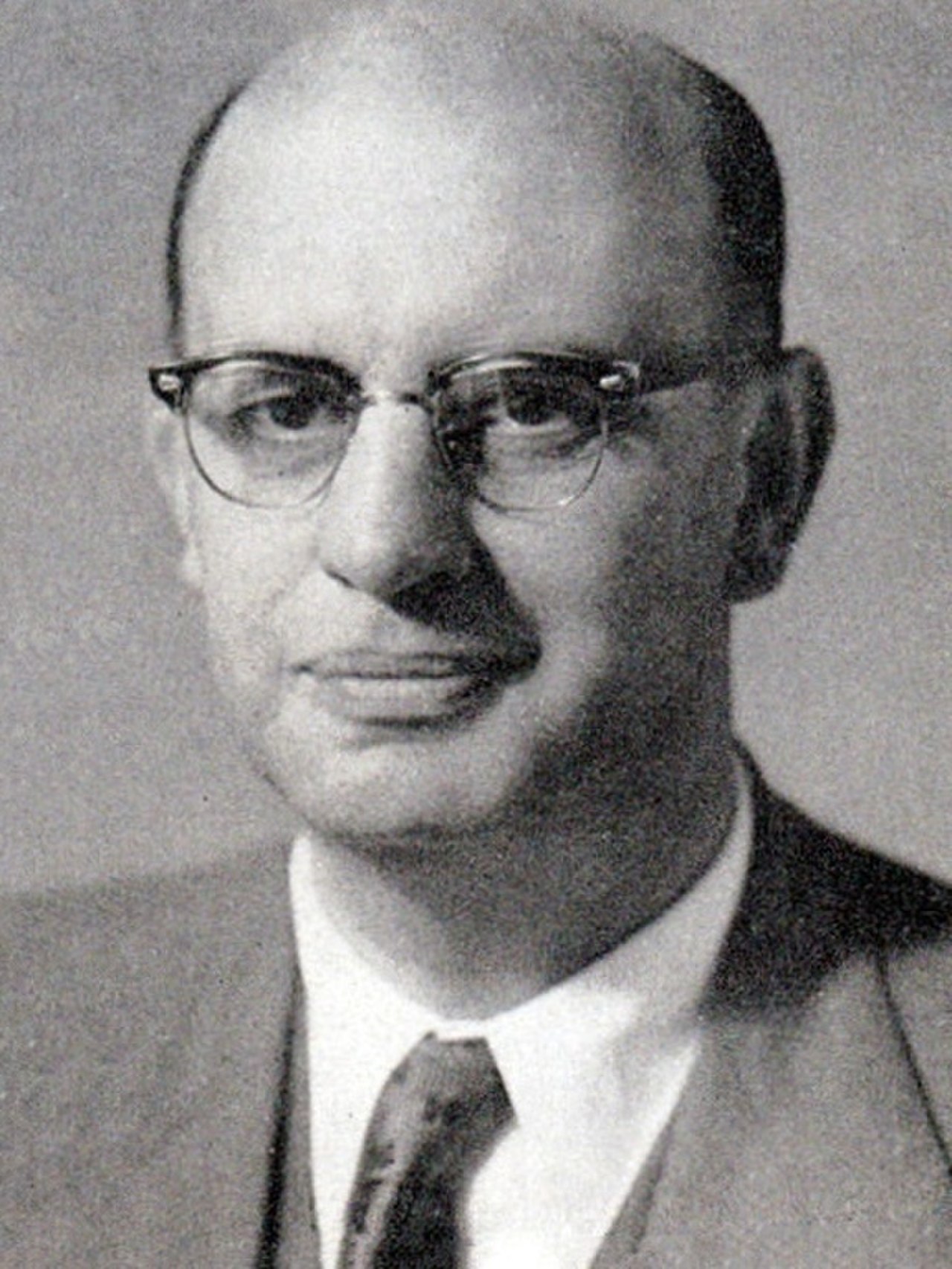
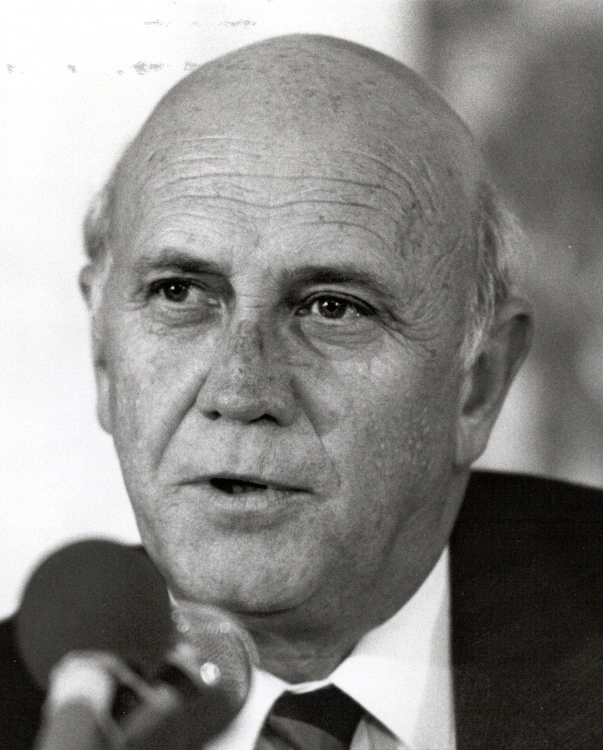
Over its tenure the party was led by figures who shaped policy and state institutions: J.B.M. Hertzog (founder), D.F. Malan (who led the 1948 government), H.F. Verwoerd (often described as the chief architect of apartheid), and later leaders such as John Vorster, P.W. Botha and F.W. de Klerk. The administration faced significant internal resistance and international condemnation, particularly after major events of protest and repression in the 1960s–1980s. Over time economic sanctions and diplomatic isolation increased pressure on the regime.
Decline, negotiations and legacy
By the late 1980s and early 1990s, changing domestic resistance, economic strains and international pressure prompted the party to shift course. Under F.W. de Klerk the government began the process of repealing apartheid laws, releasing political prisoners and entering negotiations with formerly banned movements. These steps culminated in the first multiracial elections of 1994 and the party's loss of national power. In the years that followed it attempted to rebrand and adapt, but its influence faded as South African politics moved beyond the racial frameworks that had defined much of the twentieth century.
Significance and contested legacy
The National Party's record is highly contested: supporters once credited it with preserving Afrikaner identity and achieving social stability for its constituency, while critics emphasize the human cost of legalized racial discrimination and the long-term social and economic inequalities it entrenched. Its policies deeply shaped South African institutions, demographics and international relations, making its history central to understanding modern South Africa.
For further reading on key figures and policies, see entries on D.F. Malan, apartheid and South Africa's relationship with the United Kingdom.
Questions and answers
Q: What is the National Party of South Africa?
A: The National Party of South Africa was a white South African nationalist political party that was dominated by Afrikaners and governed the country from 1948 to 1994.
Q: Who founded the National Party of South Africa?
A: The National Party of South Africa was founded by J.B.M. Hertzog in 1914 as a result of disagreements between him and the leaders of the South African Party, which he was a member of at the time.
Q: Who became the Prime Minister of South Africa in 1948, and what did he do?
A: Daniel Francois Malan, the leader of the National Party, became the Prime Minister of South Africa in 1948 and began instituting apartheid in the country.
Q: Was apartheid the only reason why the National Party came to power?
A: No, although apartheid was an important issue that helped bring the National Party to power, most people who voted for them in 1948 were voting more against the previous United Party led by Jan Smuts.
Q: What were some of the other issues that irritated Afrikaner voters and led them to vote for the National Party instead of the United Party?
A: Some of the issues that irritated Afrikaner voters included the poverty of Afrikaners, the competition from native Africans for jobs, the urbanization of Afrikaner towns, and the threat of communism, which they felt Smuts had wrongly handled and felt that the problems were partially his fault.
Q: Who was the last South African government leader to belong to the National Party, and what did he do?
A: FW de Klerk was the last South African government leader to belong to the National Party. He disbanded apartheid in the 1990s and allowed all adults of all races to vote for the first time in 1994, which resulted in the National Party being voted out of office.
Q: When did the National Party lose power in South Africa?
A: The National Party lost power in South Africa in 1994 after FW de Klerk disbanded apartheid and allowed all adults of all races to vote for the first time.
Related articles
Author
AlegsaOnline.com National Party of South Africa Leandro Alegsa
URL: https://en.alegsaonline.com/art/68675
Sources
- britannica.com : National Party (NP) (political party, South Africa) - Britannica Online Encyclopedia
- news.bbc.co.uk : Bbc News