
Nash the Slash (Jeff Plewman) — Canadian experimental musician
Jeff Plewman, known as Nash the Slash (1948–2014), was a Canadian multi-instrumentalist and performer noted for electric violin, bandaged‑face persona, founding FM, and collaborations with Gary Numan.
Nash the Slash was the stage name of Jeff Plewman (March 26, 1948 – May 10, 2014), a Canadian singer‑songwriter and experimental musician whose work combined rock, electronic textures and theatrical performance. He became widely known for his wrapped‑bandage stage persona and for bringing bowed and plucked stringed instruments into electronic settings.
Image gallery
3 Images

Early life and influences
Plewman was born and raised in Toronto, in the province of Ontario. Details of his early musical training are sparse in public records, but his later work shows influences from progressive and art rock, early electronic music and folk‑informed string playing. He adopted the name Nash the Slash by reference to a silent‑era film character and comic traditions associated with figures such as Laurel and Hardy, notably invoking the film Do Detectives Think? in his stage backstory.
Career and notable projects
Plewman was a founding member of the progressive rock band FM, a group that blended melodic songwriting with atmospheric arrangements. As a solo artist he released recordings that emphasized instrumental textures and experimental electronics. He toured in North America and Europe, performing both solo sets and collaborations; one of his best‑known partnerships was with British new‑wave and electronic musician Gary Numan, where Plewman contributed his distinctive instrumental voice.
Instruments and musical approach
Often described as a multi‑instrumentalist, Nash is most closely associated with the electric violin and the mandolin, but his recorded palette also included harmonica, keyboards and small percussion. He used effects, looping and amplification to extend acoustic timbres into sustained drones and unusual textures. Besides strings, he often added harmonica lines and bright percussive touches such as a glockenspiel to create contrast in arrangements.
Stage persona and image
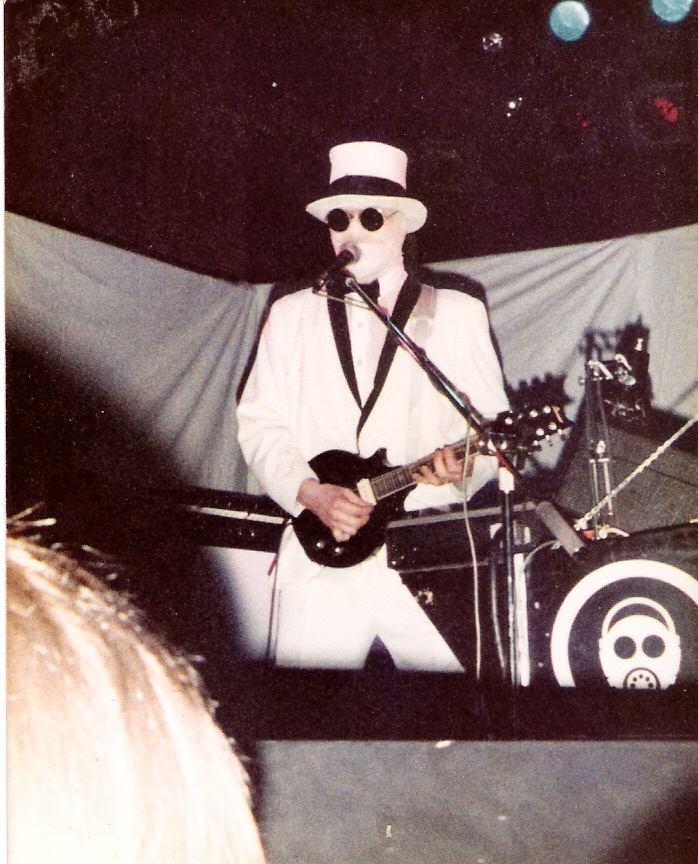
One of Nash the Slash's most persistent trademarks was performing with his face wrapped in surgical bandages, a theatrical choice that redirected attention from celebrity to sound and performance art. The persona grew from an interest in visual anonymity and the uncanny; it became a consistent element of his publicity, album art and live shows. His choice of stage name and imagery often referenced silent film and comic archetypes, underpinned by an ironic and performative sensibility.
Collaborations and reception
Beyond FM and his work with Gary Numan, Plewman contributed to recordings and performances by other artists and appeared in sessions where his electric violin and textural approach were valued for their distinctiveness. While he did not achieve broad mainstream chart success, critics and dedicated listeners often praised his inventiveness and the originality of his sonic combinations. Reviews and retrospective pieces note his role within Canadian alternative and experimental scenes.
Personal life and later years
In 1998 Plewman publicly came out during Toronto's Pride Week, a candid disclosure that formed part of his later public identity. He announced his retirement from performing in 2012. Reports indicate he died at home in Toronto in May 2014 at age 66 from a suspected heart attack; contemporaneous notices and obituaries documented his passing and highlighted his unusual career.
Legacy and influence
Nash the Slash is remembered for merging traditional instrumental skills with electronic processing and for presenting music as theatre. His emphasis on texture, extended techniques on electric violin and willingness to combine acoustic and synthetic sounds influenced underground and experimental musicians who explore the boundary between performance art and music. Scholars of Canadian popular music and fans of progressive and electronic scenes continue to cite his recordings and live work as points of interest.
Further reading and resources
Information about Plewman's discography, band history and recorded collaborations can be found through music archives and specialized articles. For catalogues and biographical outlines see entries listed under Nash the Slash, band pages for FM, and retrospectives on artists who worked with him such as Gary Numan. General context on the progressive and experimental traditions he drew from is available via sources on progressive music and histories of electronic performance. For concise biographical notes consult musician directories and festival programmes that featured his name. More detailed archival materials and interviews may be found in dedicated music libraries, fan collections and oral histories that explore his artistic choices and career trajectory.
Selected topical links: artist biography (biography), multi‑instrumental practice (multi‑instrumentalist), instruments such as electric violin and mandolin, and contextual references to harmonica, glockenspiel, early film influences (Do Detectives Think?) and comic figures (Laurel, Hardy). Additional local context appears in materials connected to Toronto and Ontario.
Related articles
Author
AlegsaOnline.com Nash the Slash (Jeff Plewman) — Canadian experimental musician Leandro Alegsa
URL: https://en.alegsaonline.com/art/68429
Sources
- nowtoronto.com : "Nash the Slash revels in hidden identity"
- thestar.com : "Nash the Slash, Toronto rock violinist, dead at 66"