
Oliver Hardy
American comic actor and filmmaker best known as the rotund half of the Laurel and Hardy double act; noted for his pompous stage persona, film work in silent and sound eras, and enduring influence on screen comedy.
Oliver Norvell Hardy (January 18, 1892 – August 7, 1957) was an American comedian, actor and filmmaker whose screen persona as the rueful, self-important foil helped define classic cinematic comedy. Often called "Ollie," Hardy achieved his greatest fame as one half of the double act Laurel and Hardy, combining visual slapstick, timing and character-based humor in both silent movies and talkies.
Image gallery
10 Images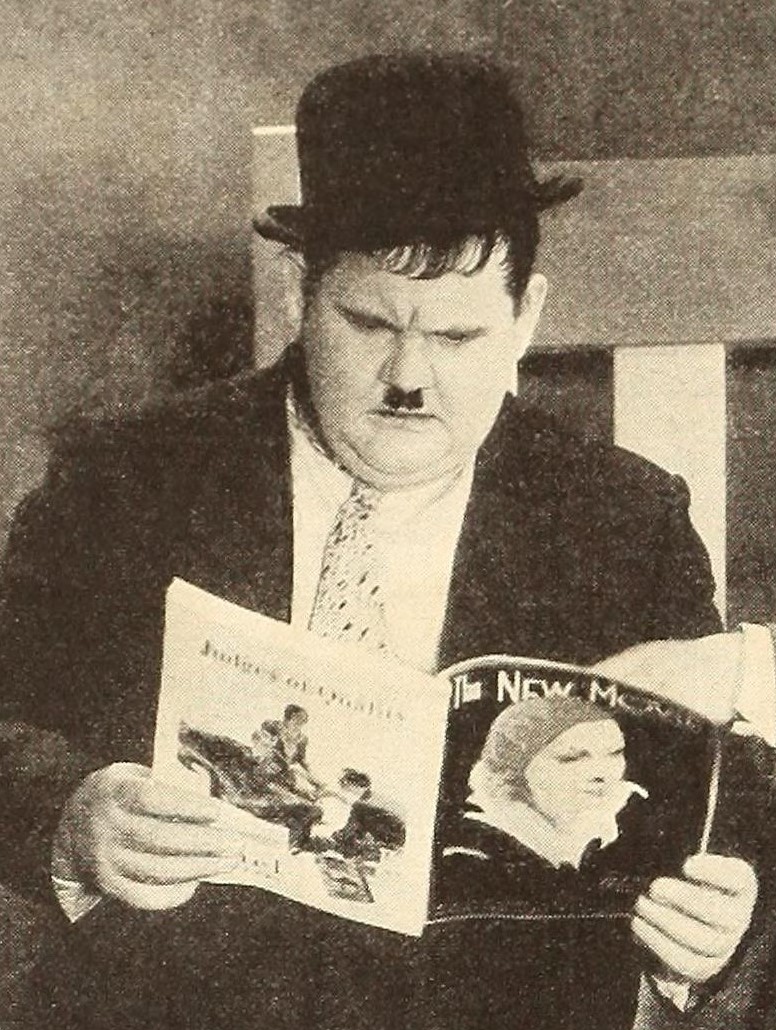



Career and persona
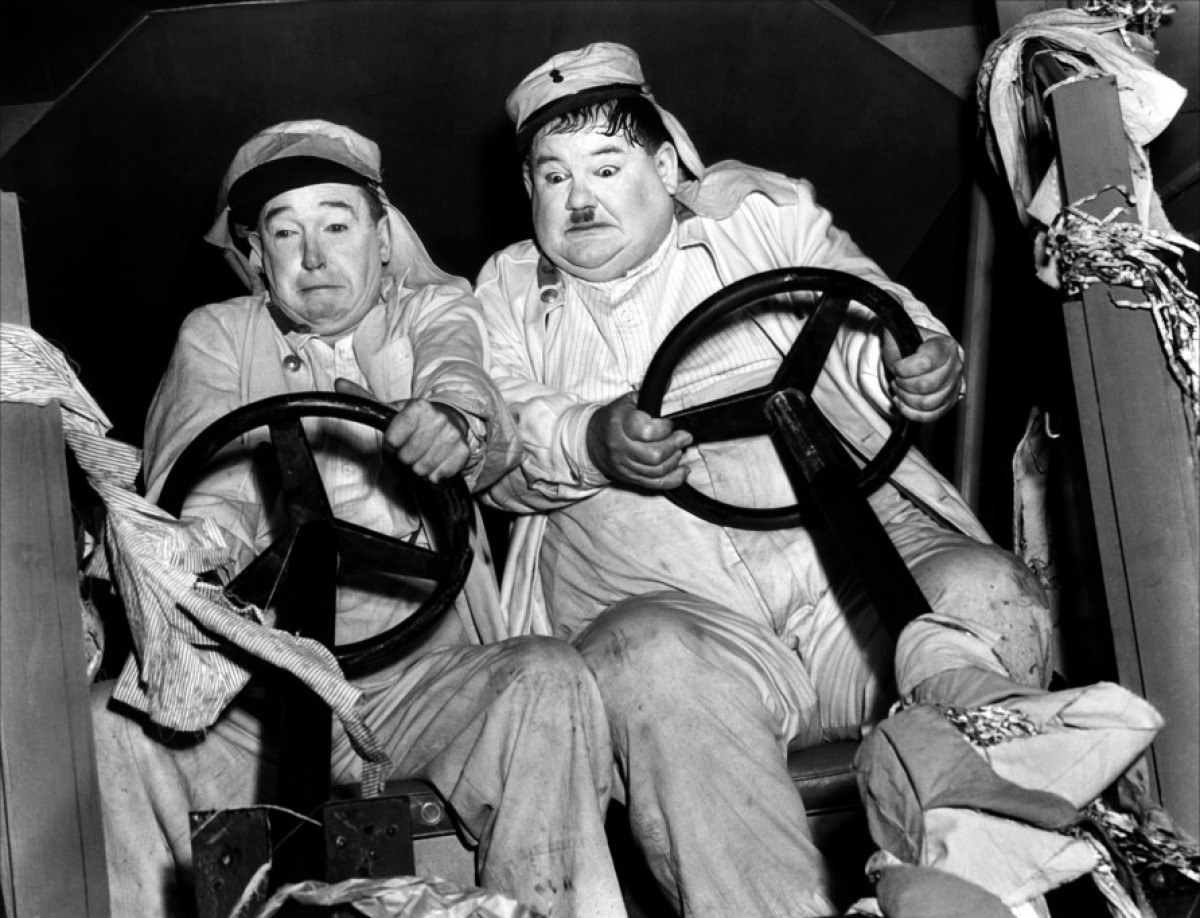
Hardy developed a recognizable character: a portly, dignified man with a small moustache, bowler hat and expressive reactions that betrayed exasperation more than malice. He played the straight man to Stan Laurel's childlike bungler, yet both performers shared comic responsibility for routine construction and payoff. Hardy's comedy relied on patience, gradual escalation and precise physical rhythms rather than broad mugging.
Origins and development
Hardy began working in motion pictures in the 1910s and built a résumé that included acting, directing and producing. Before his enduring partnership he appeared in numerous short comedies and features for several studios. Their official team-up in the late 1920s led to a prolific run of shorts and feature films produced mainly at the Hal Roach studio. One of their early career milestones was the 1927 short Putting Pants on Philip, while later work such as The Music Box earned broad recognition and awards.
Notable films and legacy
- The Music Box (short) — Academy Award recognition for the duo's craftsmanship
- Way Out West and other feature comedies that combined slapstick with musical and narrative elements
- Numerous shorts that remain influential examples of timing and comic structure
Hardy appeared in hundreds of films across silent and sound eras and also worked behind the camera as a director on some projects; for details see a dedicated biography and filmography. His on-screen chemistry with Laurel set standards for comedy teams, influencing later generations of performers and filmmakers.
Beyond films, Hardy's figure and lines entered popular culture: his exasperated asides and the couple's recurring gags are often cited by historians as exemplary of early cinematic comedy. For further reading on his films and impact, consult resources on classic film comedy and theatrical production noted by critics and archivists actor profiles and production histories director studies.
Author
AlegsaOnline.com Oliver Hardy Leandro Alegsa
URL: https://en.alegsaonline.com/art/127861