
Nasrallah Boutros Sfeir
Maronite Patriarch (1986–2011) and cardinal from Lebanon who led the Maronite Church, played a prominent role in Lebanese public life, and advocated national sovereignty and Christian–Catholic ties.
Nasrallah Boutros Sfeir (15 May 1920 – 12 May 2019) was a leading figure of the Maronite Catholic community in Lebanon, serving as Patriarch of Antioch for the Maronites from 1986 until his resignation in 2011 and later as a cardinal of the Catholic Church. He was born in Rayfoun in Mount Lebanon and is remembered for a long ecclesiastical career that combined pastoral leadership with pronounced involvement in Lebanon's modern political and social questions. His Arabic name and ecclesiastical style are often rendered in local sources, see Arabic form.
Image gallery
3 Images
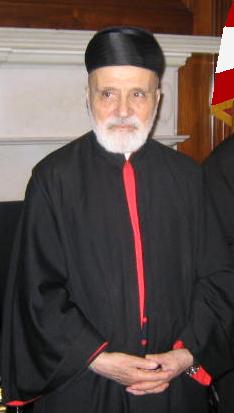
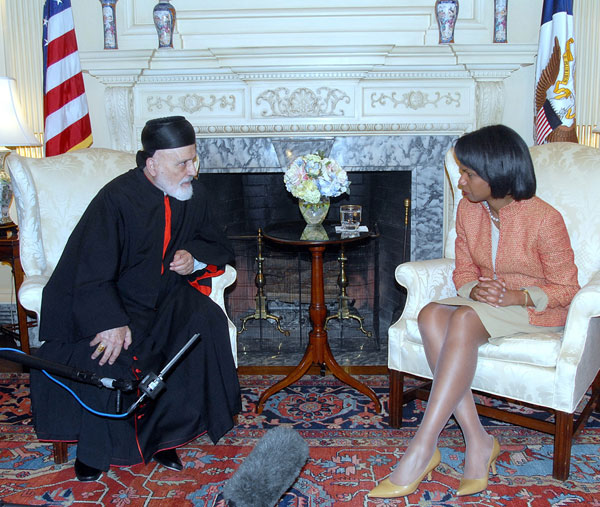
Overview and office
Elected on 27 April 1986, Sfeir became the seventy-sixth Maronite Patriarch of Antioch and the Whole Levant, holding the formal honorifics used by Maronite patriarchy. The Maronite Church is an Eastern Catholic Church in full communion with the Holy See, and under Sfeir the patriarchate maintained those ties while asserting the Maronite community's particular traditions and liturgical patrimony. He was one of the few Maronite prelates elevated to the rank of cardinal, a mark of his standing within the wider Catholic communion.
Early life and priesthood
Sfeir was born into a Lebanese Christian family in Rayfoun and trained for the priesthood, later serving in pastoral, educational and administrative roles inside the Maronite hierarchy. Throughout his ministry he combined concern for religious life and church institutions with engagement in social and cultural affairs affecting Lebanon's Christian population.
Patriarchate: role and public influence
During and after Lebanon's civil war, Sfeir became an influential voice in national debates. He supported measures aimed at ending sectarian conflict and restoring state institutions, and he gave public backing to agreements intended to secure a broad political settlement. At times his calls for Lebanese sovereignty and political reform brought him into tension with regional powers that exercised influence in Lebanon; he was also active in ecumenical dialogue and in strengthening relations between Maronites and other Christian communities, including contacts with other churches and the Vatican.
Later years, resignation and death
Sfeir resigned from the patriarchal office in 2011; his resignation was accepted on 26 February 2011 and he was succeeded by Bechara Boutros al-Rahi. In retirement he remained a respected elder statesman of Lebanese Christianity. He died in Beirut at the age of 98 on 12 May 2019; local reports noted a chest infection as the immediate cause. Contemporary accounts of his life frequently point to his long tenure, moral authority and the role he played during pivotal moments in Lebanon's recent history, including periods of foreign intervention and national reconstruction. See reports from Beirut for more on his passing: details.
Notable facts and legacy
- He served as patriarch for nearly 25 years, from 1986 to 2011.
- He was one of the relatively small number of Maronite prelates raised to the College of Cardinals.
- His patriarchate is often associated with efforts to defend Lebanese independence and to promote reconciliation after the civil war.
- Sfeir's leadership emphasized both fidelity to Maronite tradition and communion with the wider Catholic Church, including ongoing pastoral links with Rome and other Eastern churches; see the Maronite Church overview: Maronite Church.
- He is commonly referred to in church and public documents by his full ecclesiastical title and style; see references to his patriarchal role: patriarch.
His life and work remain a subject of interest for those studying Lebanon's confessional politics, Christian-Muslim relations in the Levant, and the contemporary history of Eastern Catholic churches in communion with Rome. For ecclesiastical background and further context, consult authoritative church summaries and contemporary obituaries and analyses: Arabic sources, patriarchal records, and institutional accounts of the Maronite Church and the Holy See.
Related articles
Author
AlegsaOnline.com Nasrallah Boutros Sfeir Leandro Alegsa
URL: https://en.alegsaonline.com/art/68451