
Multi-instrumentalist
A musician who plays two or more instruments. Explains skills, orchestral doubling, studio work, historical context, training, advantages, and practical considerations.
A multi-instrumentalist is a musician who plays two or more musical instruments. The term embraces a range of practice: from performers who double on closely related instruments to artists who master contrasting families of instruments. A multi-instrumentalist may alternate between instruments within a single piece, provide auxiliary colours in an ensemble, or record multiple parts in a studio session.
Image gallery
3 Images
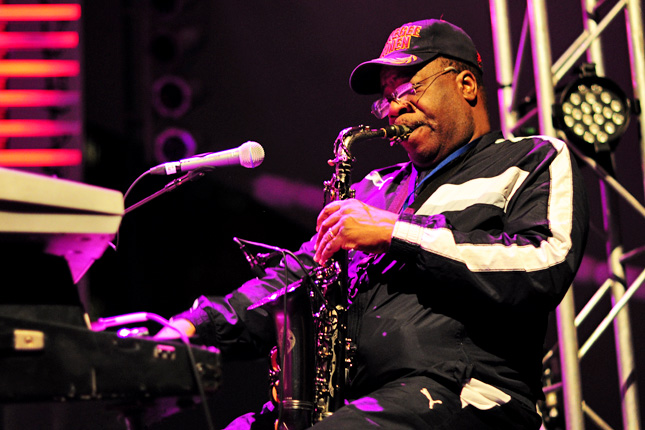

Characteristics and skills
Successful multi-instrumentalists develop broad musicianship—sight reading, rhythmic precision, aural skills and stylistic awareness—alongside instrument-specific technique. Transferable competencies such as phrasing, intonation and rhythmic feel speed learning on new instruments, while dedicated practice is required for specialized techniques (embouchure for winds, bowing for strings, fingerstyle for plucked instruments). Many players choose to concentrate on a family of instruments, where technical overlap makes doubling efficient, while others deliberately expand across families to increase versatility.
Doubling and roles in ensembles
In orchestral and theatrical contexts, a player may be asked to perform on more than one instrument during a single work. In an orchestra or pit, performers must sometimes switch instruments quickly during a performance, requiring careful planning and rehearsal. Woodwind players are frequently required to double: a flautist might play the concert flute and then switch to a piccolo or an alto flute when the score calls for a different timbre.
Similarly, an oboist may be asked to play the cor anglais (English horn), a clarinettist might double on the bass clarinet, and a bassoonist can be required to take the contrabassoon part. Orchestral parts and program notes, and the list at the beginning of a musical score, normally indicate necessary doublings so players and management can plan personnel and logistics.
History and notable contexts
Historically, instrumental versatility was common in court bands, military ensembles and folk traditions where players were expected to cover multiple functions. In modern times, the rise of studio recording and small touring bands made multi-instrumental skills especially valuable: a single performer can supply rhythm parts, lead lines and harmonic backing across several instruments. In jazz, folk and popular music, multi-instrumentalists often add texture and arrangement flexibility within compact ensembles.
Studio, popular music, and composition
In recording studios, multi-instrumentalists frequently overdub parts to create full arrangements without hiring many session players. Composers and arrangers who play multiple instruments gain practical insight into range, timbre and idiomatic writing, which improves orchestration and reduces the need to consult as many specialists when sketching ideas. In live performances, switching instruments can alter the shape and colour of a set without changing personnel.
Education, practice and career uses
Studying multiple instruments often involves balancing practice time and setting realistic goals for each instrument. Music educators recommend a strong foundation in general musicianship plus targeted technical work for each instrument. Career opportunities for multi-instrumentalists include orchestral doubling, musical theatre pits, studio session work, teaching multiple applied instruments, arranging and solo performance where the artist presents different instrument combinations.
Advantages and practical considerations
- Advantages: greater employability, flexibility in small ensembles, richer arranging and composing perspective.
- Challenges: logistics of transporting instruments, switching under time pressure, and maintaining high technical standards across instruments rather than specializing deeply in one.
- Professional practice: clear marking of parts, rehearsed instrument changes and appropriate rests in scores help manage switching during live performance.
Understanding multi-instrumental practice helps explain how modern ensembles achieve varied timbres with limited personnel, how studio productions can be economical, and why many educators encourage broad musical study. For practical learning, students typically consult instrumental method books, orchestration manuals and the notes provided with professional scores to learn common doublings and performance conventions.
Related articles
Author
AlegsaOnline.com Multi-instrumentalist Leandro Alegsa
URL: https://en.alegsaonline.com/art/67452
Sources
- mw2.merriam-webster.com : "Multi-Instrumentalist"