
Stan Laurel (1890–1965): English comic actor, writer, director and musician
Arthur Stanley "Stan" Laurel (1890–1965) was an English-born comic performer best known as one half of Laurel and Hardy. Actor, writer, director and musician whose work shaped screen comedy and double-act technique.
Arthur Stanley "Stan" Laurel (16 June 1890 – 23 February 1965) was an English-born comedian, actor, writer, director and musician. He is best known as one half of the screen duo Laurel and Hardy, whose partnership became one of the most influential double acts in film history. Laurel's thin, innocent and often bewildered persona complemented Oliver Hardy's pompous, exasperated foil and together they developed a distinctive blend of physical slapstick, timing and pathos.
Image gallery
10 Images


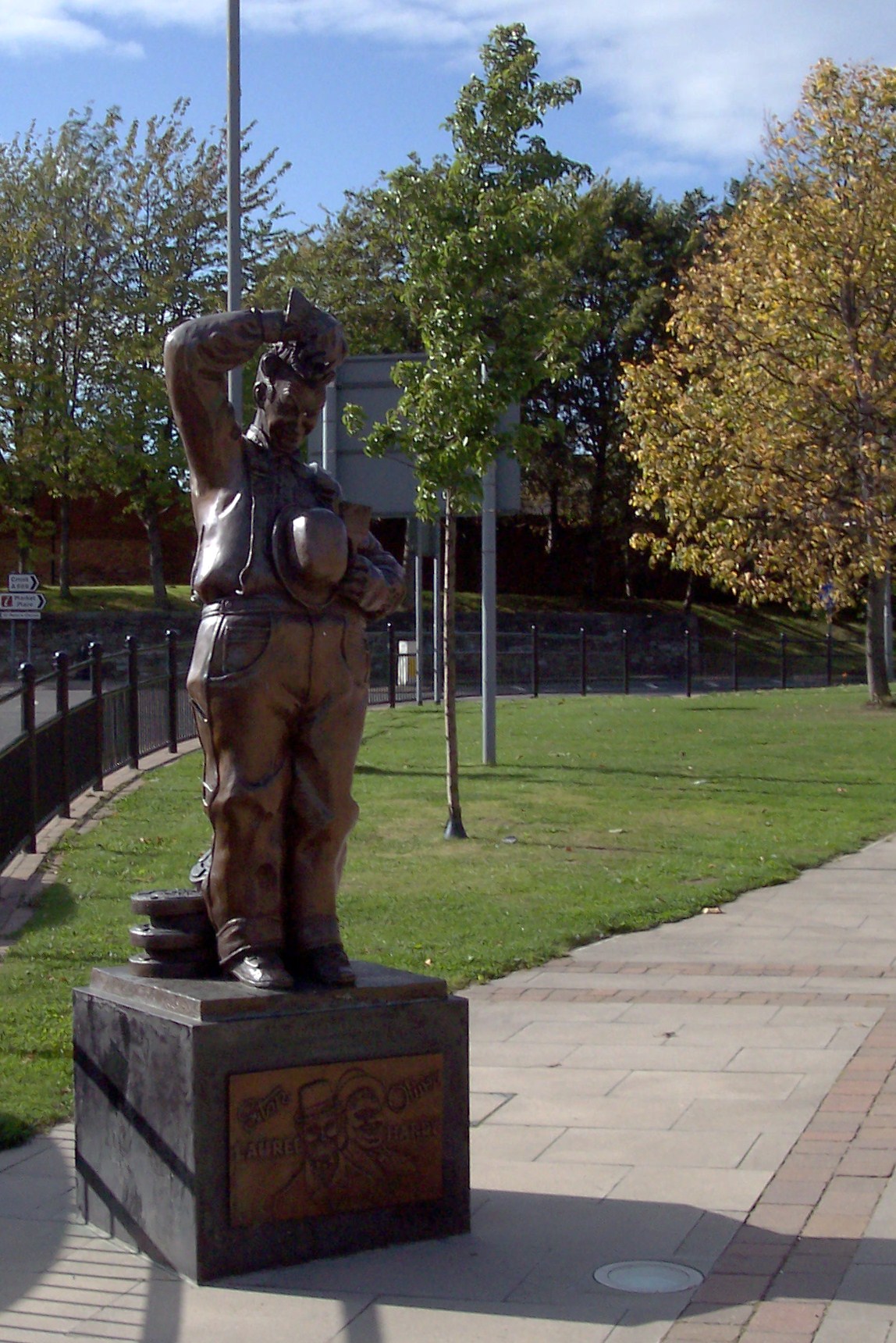
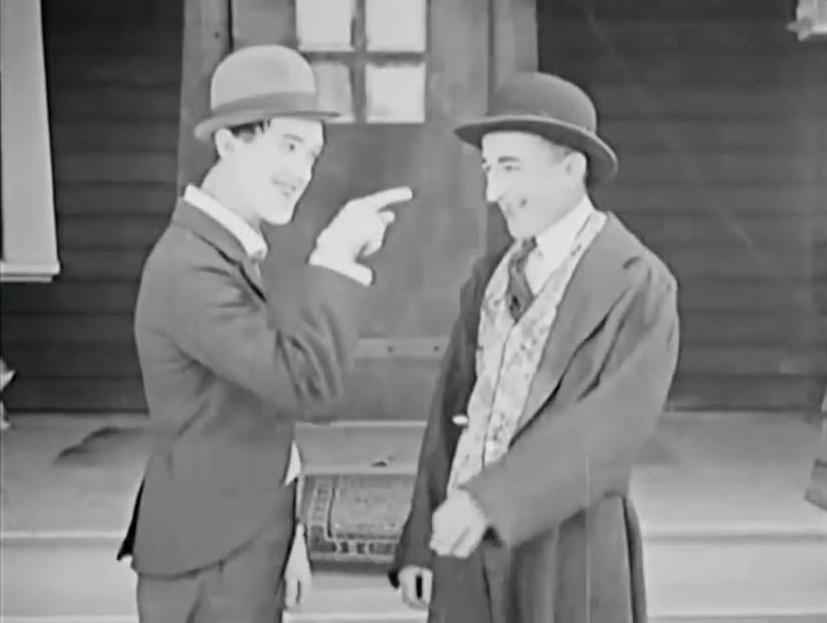
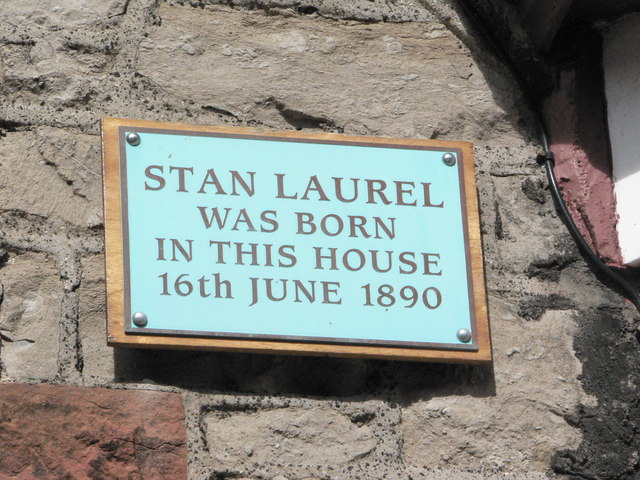

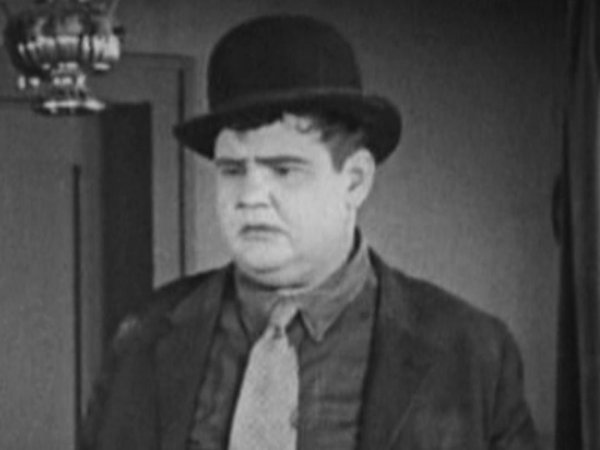
Early life and career
Laurel was born in Ulverston, Lancashire, and began his professional life in music hall and stage work. He trained as a singer and musician and learned comic timing and pantomime skills that would prove essential in silent cinema. In the 1910s and early 1920s he worked in British and American short comedies, gradually moving into writing and directing as well as performing. This experience behind the camera shaped his later role in developing routines and structuring gags.
Laurel and Hardy partnership
The Laurel and Hardy team emerged during the silent-to-sound transition at Hal Roach studios and became established by the late 1920s. Their screen relationship relied on carefully constructed escalation: a simple misunderstanding or small domestic task would spiral into elaborate misfortune. Laurel's childlike behaviour, meek gestures and expressive face made him both comic and sympathetic; Hardy's blustering reactions and signature exasperated look completed the contrast.
Working methods and style
Beyond acting, Stan Laurel was widely acknowledged as the creative engine of the duo. He worked on scripts, devised gags, coached timing and experimented with rehearsal to refine comic beats. His musical background influenced rhythm in performance and the pacing of sequences. Colleagues noted his insistence on detail and the rehearsed precision that made even apparently spontaneous bits feel inevitable.
Honours, later years and legacy
Laurel received an Academy Honorary Award in 1961 in recognition of his contribution to film comedy. In later years he lived in California and continued to be celebrated by fans and fellow comedians. He died in 1965, but the techniques and routines he developed remain studied by performers and historians. Museums, retrospectives and film societies preserve his work and the cultural impact of the Laurel and Hardy films.
Selected resources and filmography
Author
AlegsaOnline.com Stan Laurel (1890–1965): English comic actor, writer, director and musician Leandro Alegsa
URL: https://en.alegsaonline.com/art/131146