
Astronaut: People Trained to Travel and Work in Space
An astronaut (also cosmonaut, taikonaut, spationaute) is a trained person who travels into outer space to conduct missions, perform research, operate spacecraft and live aboard orbital stations.
Overview
An astronaut is a person trained to travel beyond Earth’s atmosphere and operate in outer space. Different languages and space programs use different terms for people who fly: the Soviet program and some allied countries used cosmonaut, Western nations such as the United States typically use astronaut, China often uses taikonaut, and France has used spationaute. These names reflect cultural and programmatic origins; the roles and core responsibilities are comparable across programs.
Image gallery
10 Images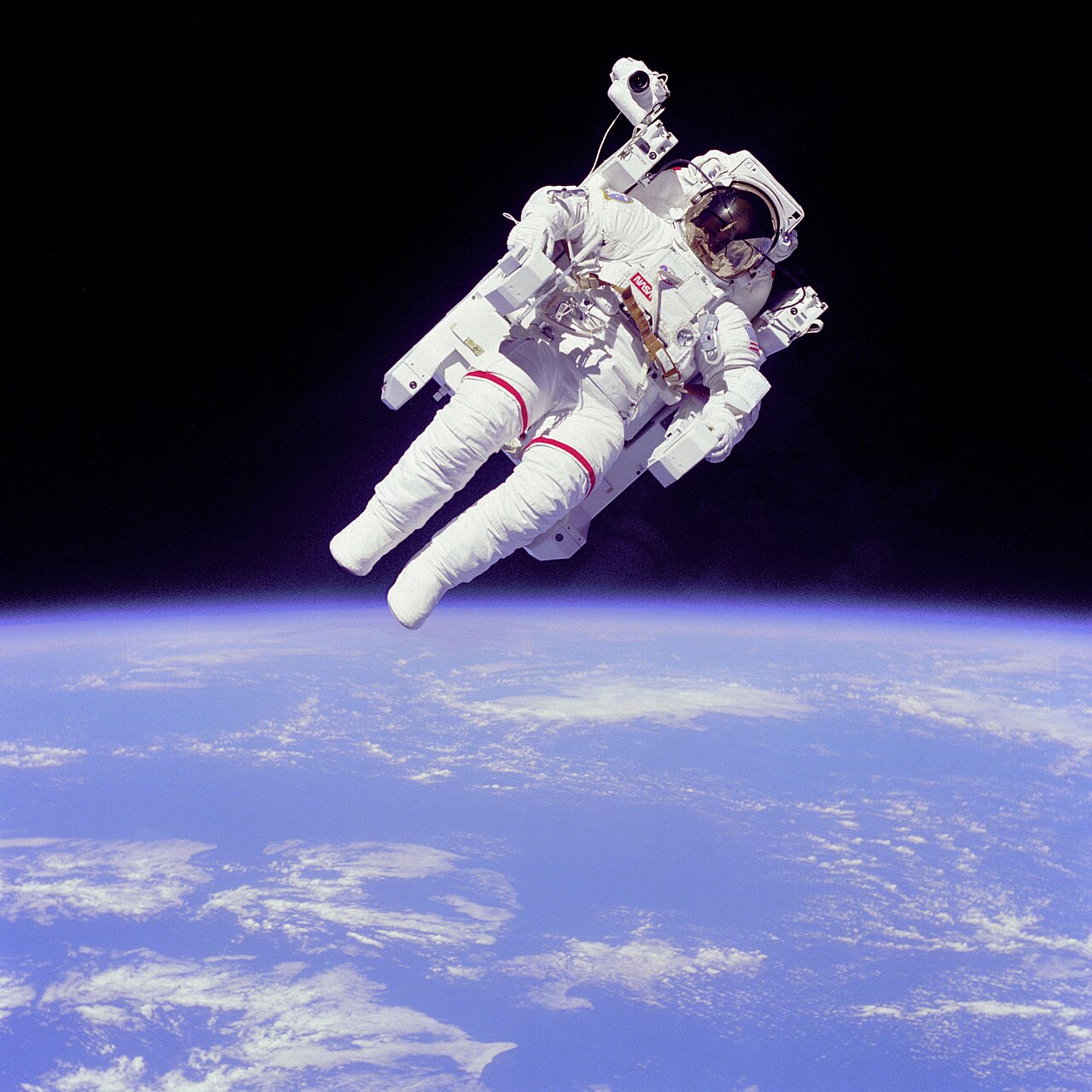





History and notable milestones
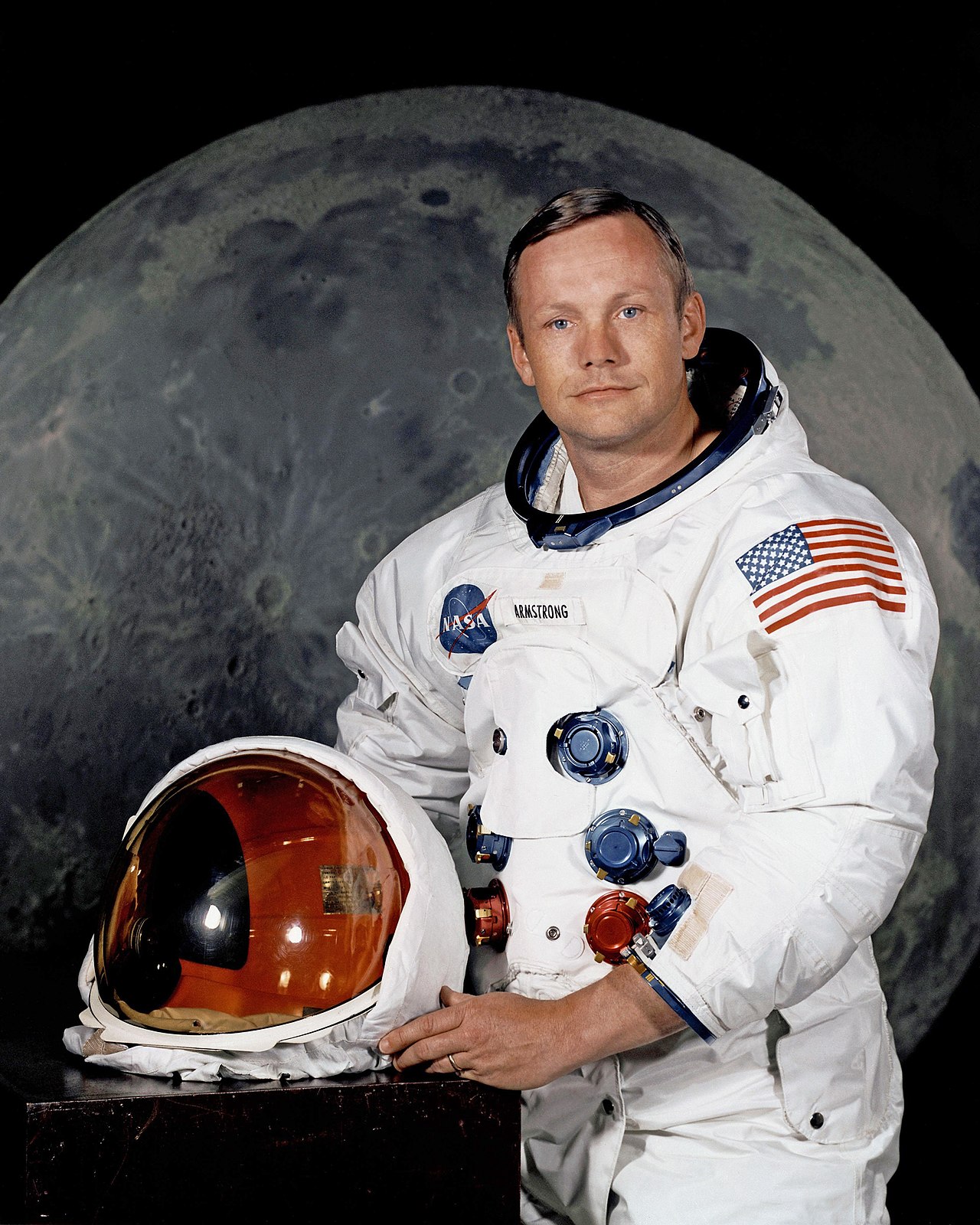
The early decades of crewed spaceflight established many familiar milestones. The first human to orbit Earth was a Russian pilot, Yuri Gagarin, who completed a single orbit on April 12, 1961. The United States later landed astronauts on the Moon; the first two people to walk there were Neil Armstrong and Buzz Aldrin on July 20, 1969. Crewed lunar landings continued into the early 1970s but no humans have landed on the Moon since 1972, and no people have yet visited any other planets. These achievements defined early procedures, safety standards and training practices that remain influential today.
Selection, training and roles
Astronaut candidates are selected for a mix of technical skill, operational ability and physical fitness. Training typically spans years and includes spacecraft systems instruction, simulator sessions, survival training, and practice for extravehicular activity (EVA) often carried out in neutral-buoyancy pools. Common role specializations include mission specialists for scientific experiments, flight engineers for spacecraft systems, and pilots for vehicle operations. Medical readiness and psychological resilience for confined, isolated environments are also central to long-duration assignments.
Vehicles, stations and current access
Over time, humans have traveled to space on many launch vehicles and crewed capsules. In recent years, crew transport options have included the Russian Soyuz and China’s Shenzhou programs as well as commercial systems; for example, flights such as SpaceX Crew-1 have carried crews to low Earth orbit. The primary long-duration habitat in orbit is the International Space Station, a multinational laboratory where scientists and crewmembers live and work for months at a time. New national heavy-lift programs and commercial launchers are under development to expand crewed access.
Industry and government partners
Government space agencies often contract private companies and aerospace firms to develop crewed systems. Examples of major industry participants include Boeing, Lockheed Martin, and SpaceX (commercial names reused for clarity). National programs continue to design large launch vehicles and capsules to support exploration goals and crewed missions beyond low Earth orbit.
Mission types and scientific importance
Astronauts undertake diverse missions: short test flights, long-duration stays to study the effects of microgravity on human physiology, satellite servicing and repair, assembly tasks for orbital infrastructure, and scientific research across biology, materials science and observational Earth science. Crewed missions enable hands-on tasks and decision-making that complement robotic exploration.
Health, safety and human factors
Life in space affects the human body in multiple ways. Microgravity changes muscle and bone loading, fluid distribution, and sensory perception. Radiation exposure outside low Earth orbit is a major concern for deep-space missions. Space agencies conduct biomedical research aboard orbiting platforms to develop countermeasures such as exercise regimens, nutritional plans and medical monitoring to protect crewmembers during and after flight.
International cooperation and the future
Astronautics is increasingly international and commercial. The Soviet and Western efforts of the twentieth century led to cooperative projects like the International Space Station; future plans from several agencies aim to return humans to the Moon using new launchers such as the Space Launch System, and to develop sustainable lunar bases and eventual crewed missions beyond. Companies and national programs continue to expand crewed access, with a mix of government-led exploration and privately operated services.
Further reading
- Program histories and biographies for early fliers, including accounts of Yuri Gagarin and Apollo crew members like Neil Armstrong and Buzz Aldrin.
- Technical descriptions of spacecraft and launch systems, including commercial crew vehicles such as SpaceX Crew-1 and national projects like the Space Launch System.
- Information about industry partners and contractors such as Boeing, Lockheed Martin and SpaceX.
Related articles
Author
AlegsaOnline.com Astronaut: People Trained to Travel and Work in Space Leandro Alegsa
URL: https://en.alegsaonline.com/art/6835