
Buzz Aldrin: American astronaut, lunar explorer, and spaceflight advocate
Edwin 'Buzz' Aldrin (born 1930) is a former Air Force pilot and Apollo 11 astronaut, the second person to walk on the Moon, later an author and advocate for human space exploration and Mars missions.
Edwin Eugene "Buzz" Aldrin Jr. (born January 20, 1930) is a retired United States Air Force colonel, test pilot and space explorer. He is widely known as an American pilot and astronaut. As lunar module pilot of Apollo 11, Aldrin became the second person to step onto the surface of the Moon, following mission commander Neil Armstrong.
Image gallery
10 Images



Early life and education
Aldrin graduated from the United States Military Academy at West Point in 1951 and served as a fighter pilot in the U.S. Air Force, flying combat missions in the Korean War. He later earned a Doctor of Science degree in astronautics from the Massachusetts Institute of Technology in 1963, where his doctoral work focused on techniques for orbital rendezvous—an important capability for crewed spaceflight.
Spaceflight career
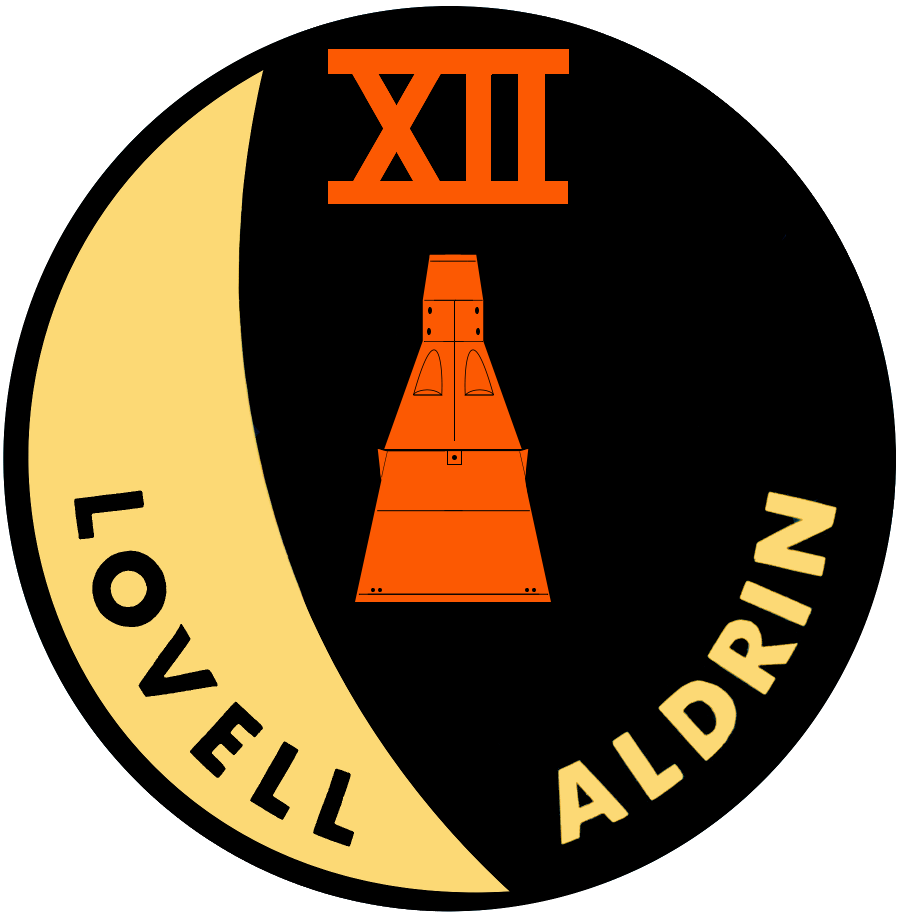
Selected as a NASA astronaut in the 1960s, Aldrin first flew on Gemini 12, where his successful extravehicular activity (EVA) helped establish procedures for working outside a spacecraft. On Apollo 11 (1969) he served as lunar module pilot. While on the Moon he conducted experiments, collected samples, and took part in a televised walk that brought the lunar surface into living rooms around the world.
Contributions and advocacy
Aldrin's technical contributions include development and refinement of rendezvous and docking techniques used throughout the Apollo program. In later decades he became a vocal proponent of ambitious human exploration goals, promoting concepts such as Mars cycler trajectories and practical road maps for human missions to Mars and the Moon.
Later life, writing, and public service
After leaving NASA and the Air Force, Aldrin authored memoirs and books aimed at both general and technical audiences, recounting life in space and arguing for continued human space exploration. He has been prominent in public discussions about NASA policy, STEM education, and the history of spaceflight. Aldrin has also spoken openly about personal struggles with clinical depression and alcoholism and has supported mental health awareness.
Honors and legacy
- Recipient of major national awards and honors recognizing his role in Apollo 11 and contributions to spaceflight.
- Inducted into halls of fame and frequently cited as an influential advocate for human missions beyond Earth orbit.
- Known for his technical skill, public outreach, and the iconic status of being the second human to walk on the lunar surface.
For additional biographical and historical details see related resources and archives that document the Apollo era and post‑Apollo advocacy for exploration: Apollo 11 resources, archival material and interviews.
Questions and answers
Q: Who is Buzz Aldrin?
A: Buzz Aldrin is a retired American pilot and astronaut who was one of the Apollo 11 astronauts that landed on the moon.
Q: What is his full name?
A: His full name is Dr. Edwin Eugene "Buzz" Aldrin, Jr.
Q: When was he born?
A: He was born on January 20th, 1930.
Q: What is his military rank?
A: Buzz Aldrin retired as a Colonel in the United States Air Force.
Q: Was he the first person to walk on the moon?
A: No, Buzz Aldrin was the second person to walk on the moon, after Neil Armstrong.
Q: What mission did Buzz Aldrin participate in?
A: Buzz Aldrin participated in the Apollo 11 mission.
Q: What is Buzz Aldrin known for?
A: Buzz Aldrin is known for being one of the few people who have walked on the moon during the Apollo 11 mission.
Related articles
Author
AlegsaOnline.com Buzz Aldrin: American astronaut, lunar explorer, and spaceflight advocate Leandro Alegsa
URL: https://en.alegsaonline.com/art/115803
Sources
- Buzz Aldrin