
Astronomical object: definition, types, formation, and significance
A natural body or structure found in space—ranging from dust grains to stars, planets, moons, comets, nebulae and galaxies—its properties, origins, categories and importance to science and culture.
An astronomical object is any naturally occurring physical entity located in outer space. This broad term covers solitary bodies such as stars and planets as well as extended structures like nebulae and galaxies. Astronomical objects differ in size, composition and behavior but are unified by their existence within the cosmic environment and by the physical processes that shape them.
Image gallery
10 Images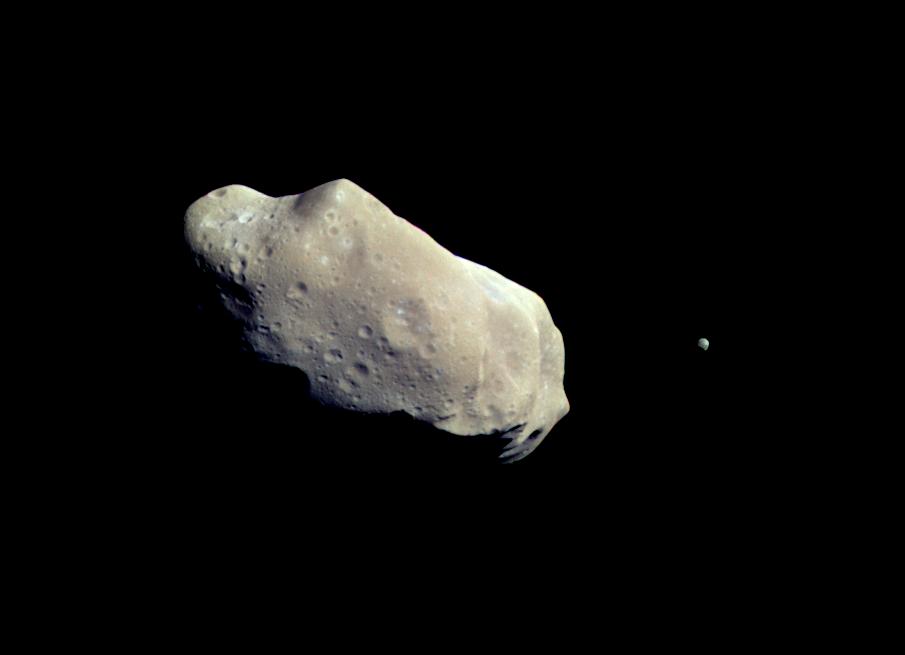





Common categories
- Stars — self-luminous bodies powered by nuclear fusion or, for very small objects, by gravitational contraction.
- Planets — sizable bodies orbiting stars, typically cleared a path in their orbits or meeting other classification criteria.
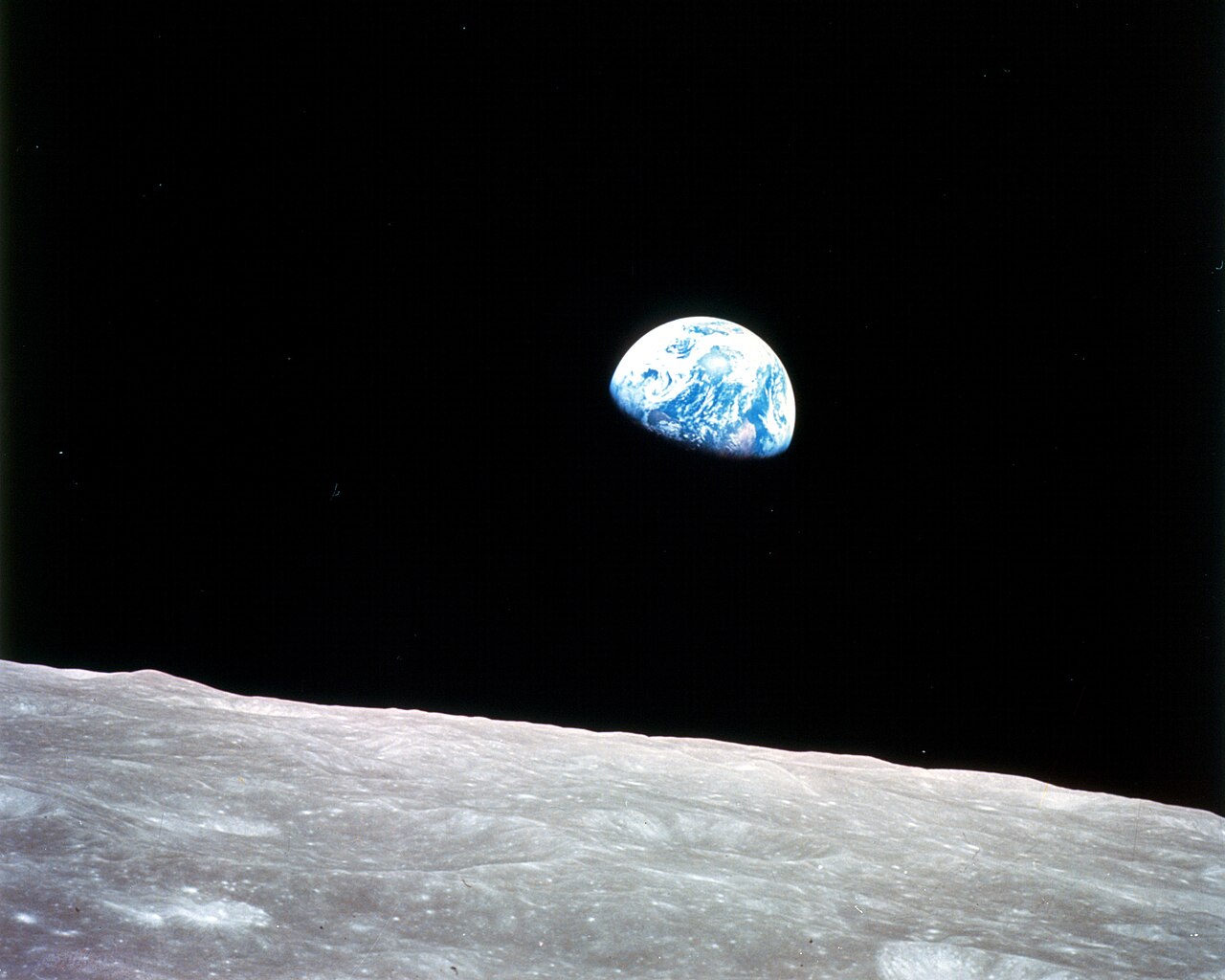
- Moons — natural satellites orbiting planets or minor planets.
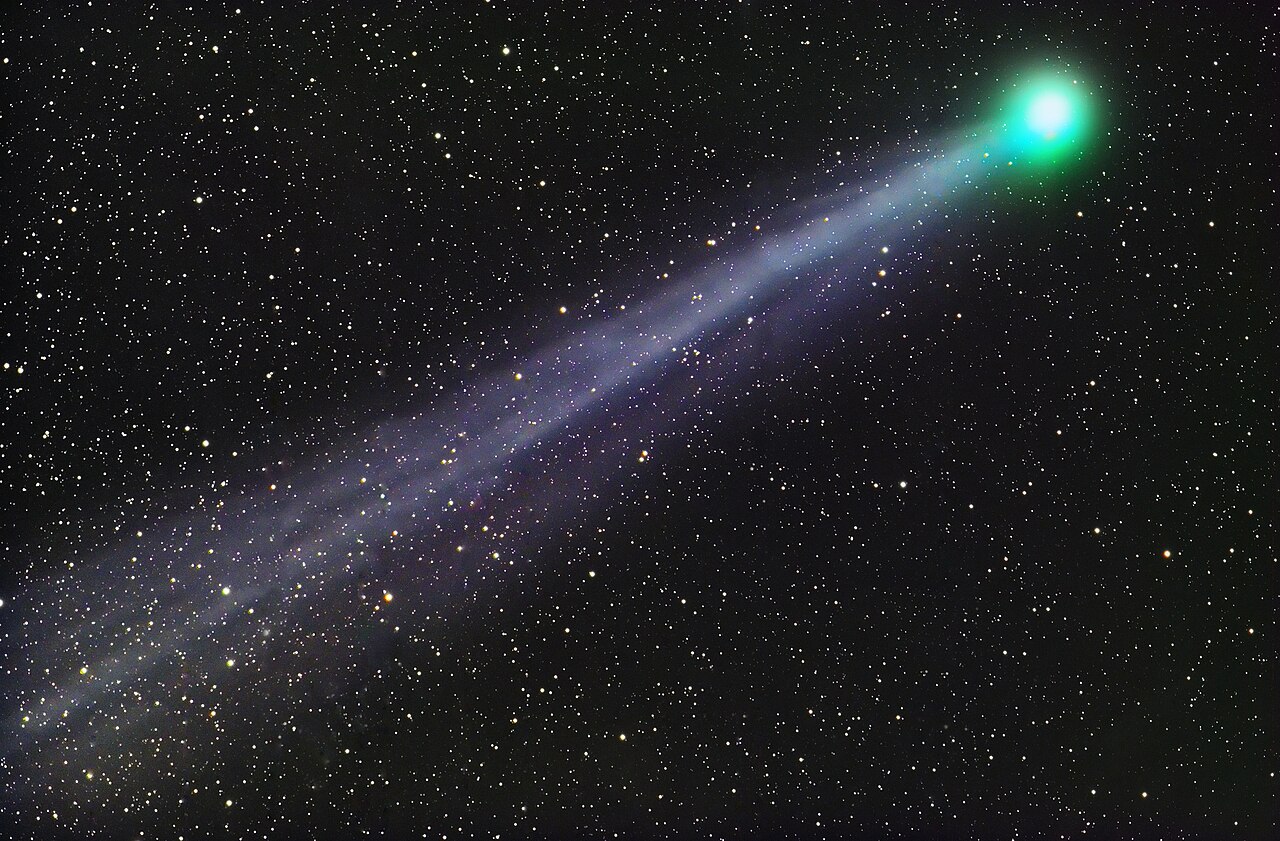
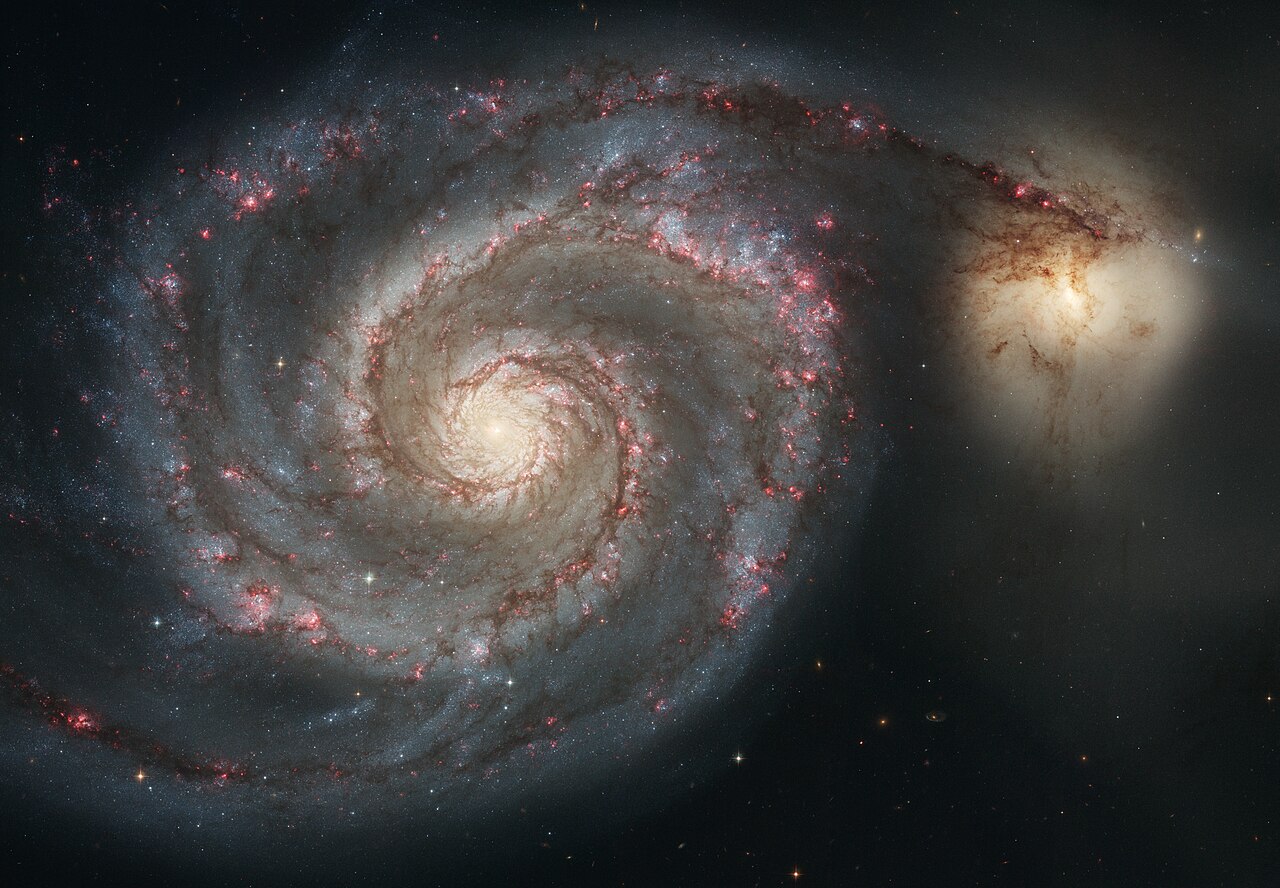
- Smaller objects: asteroids, comets, meteoroids; and larger structures: nebulae, star clusters, black holes and entire galaxies.
Physical characteristics commonly used to describe astronomical objects include mass, size, composition, density, temperature and gravitational influence. Some are solid or icy, others gaseous or plasma-dominated; some emit light directly, others are visible only by reflected light or their gravitational effects.
Origins and development
Formation mechanisms vary: stars arise from the collapse of dense regions within molecular clouds; planets form in protoplanetary disks through accretion; small bodies are leftover building blocks or fragments from collisions; galaxies grow by accretion and mergers. Explosive events such as supernovae create heavy elements that seed subsequent generations of stars and planets.
Importance and distinctions
Astronomical objects are central to astronomy and planetary science because they record physical processes across time and space. They serve as laboratories for physics under extreme conditions, as markers for navigation and calendars, and as cultural touchstones. Classification can be complex — for example, the definition of ‘planet’ and ‘dwarf planet’ differs by context — and there are practical distinctions between natural objects and human-made artifacts like artificial satellites. Some objects, such as black holes or dark interstellar clouds, are detected indirectly by their influence rather than by direct light.
Studying objects across the full range of scales, from grains of interplanetary dust to clusters of galaxies, remains essential for understanding the origin, evolution and large-scale structure of the universe.
Related articles
Author
AlegsaOnline.com Astronomical object: definition, types, formation, and significance Leandro Alegsa
URL: https://en.alegsaonline.com/art/6840