
Nap (textile)
Raised, fuzzy surface on cloth produced by brushing or shearing. Seen in velvet, suede and corduroy; influences appearance, feel, cutting and care of garments and upholstery.
Overview
In textiles, the term nap denotes the raised, fuzzy, or plush surface on a piece of cloth. It gives fabrics a soft hand and a characteristic sheen that changes with viewing angle and light. The word has long been used in English: by the 14th century it described the roughness of woven material prior to trimming or finishing.
Image gallery
2 Images
Characteristics and effects
A nap is created from short fibers that stand above the ground weave or are cut loops. These fibers reflect light unevenly, so the same fabric can look lighter or darker depending on the direction of the pile. The direction, length and density of the nap affect drape, warmth and tactile qualities. Tailors take nap direction into account when cutting patterns to ensure consistent appearance across garment panels.
Common fabrics with nap
- Velvet and velveteen: dense, short pile with a smooth sheen.
- Corduroy: piled ridges called wales with a directional nap.
- Flannel and moleskin: brushed surfaces that raise fibers for softness.
- Suede and nubuck: leather finished to produce a nap.
- Felt: the word nap is sometimes applied to felted felt cloth where the surface is uniformly raised.
Production and history
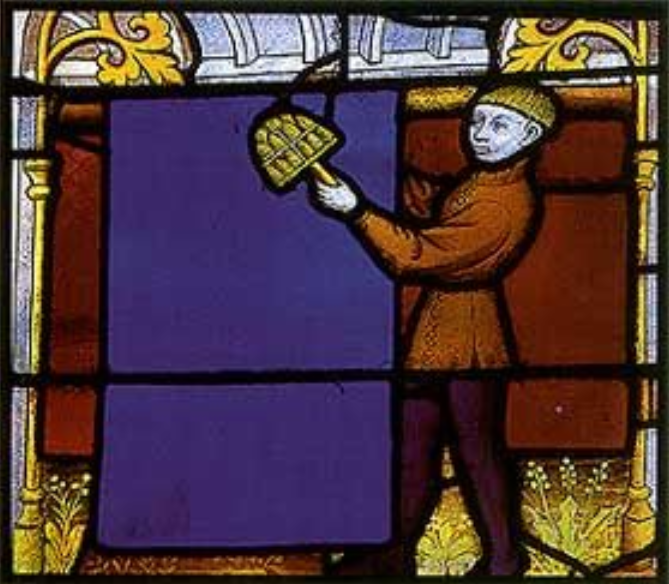
Raising the nap traditionally involved mechanical teasing of the fabric surface with natural teasels or wire brushes, then shearing to an even height. Modern finishing uses powered raising machines followed by precision shearing. Historically, finishing the nap was an important step in producing luxurious textiles; trimming converted the rough raised surface into the smooth pile associated with goods like velvet.
Uses, care and distinctions
Nap improves insulation and comfort, making it desirable for garments, upholstery and drapery. Care instructions often note nap direction: brushing with the nap restores appearance, while improper brushing or ironing can crush the pile. In technical terms, "nap" is closely related to but distinct from "pile"—pile often refers to the yarn loops or cut ends that make up the surface, while nap emphasizes the finished, raised effect as experienced visually and to the touch.
Understanding nap helps makers and consumers choose, cut and care for fabrics to preserve appearance and performance. For more on related processes and fabric types, consult specialized textile references or industry guides.
Related articles
Author
AlegsaOnline.com Nap (textile) Leandro Alegsa
URL: https://en.alegsaonline.com/art/68319