
Les Misérables — Victor Hugo's epic on justice, poverty and redemption
A concise yet comprehensive overview of Victor Hugo's Les Misérables: plot, characters, historical setting, major themes, adaptations and lasting cultural influence.
Overview
Les Misérables is a sweeping 19th-century novel by Victor Hugo that traces the lives of several characters in France as they struggle with poverty, law and conscience. First published in 1862, the story centers on former convict Jean Valjean, his moral evolution, and his pursuit by the relentless inspector Javert. Hugo uses individual fates to illuminate broader social conditions and questions of justice, mercy and social reform.
Image gallery
8 Images


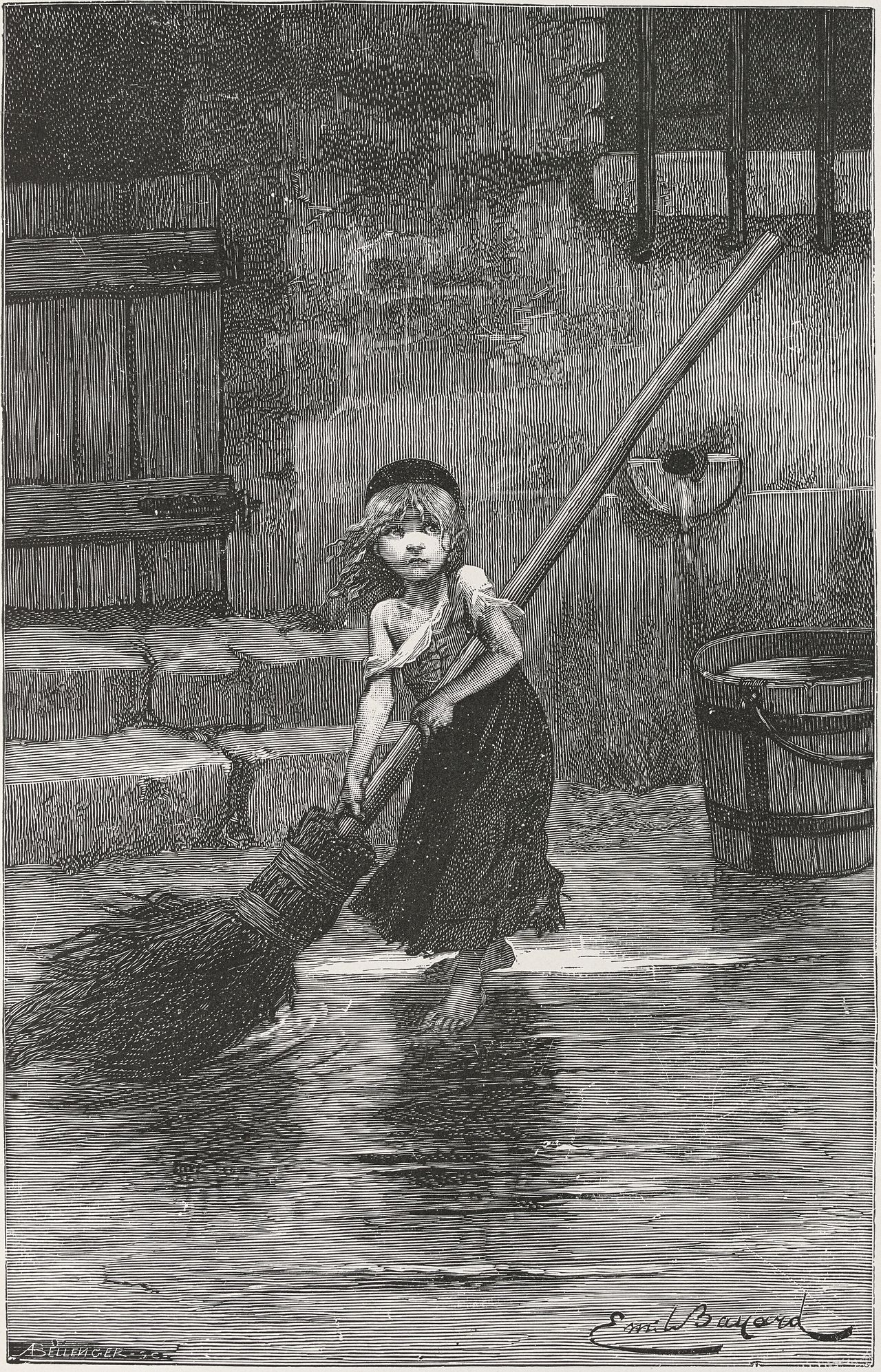


Structure and major characters
The novel is large in scope and divided into multiple parts that follow different episodes and protagonists. While Valjean provides the narrative backbone, other important figures include Fantine, a poverty-stricken mother; Cosette, her daughter and Valjean's adopted child; Marius, a young man drawn to republican ideals; Éponine and Gavroche, members of the urban poor; and Enjolras, a charismatic revolutionary leader. Hugo interweaves intimate character study with panoramic digressions on institutions, urban life, and the operations of law.
Historical background
Les Misérables spans the period between the fall of Napoleon and the July Monarchy of Napoleon and Louis-Philippe, foregrounding episodes such as the Paris uprisings of the early 1830s, commonly associated with the June Rebellion. Hugo drew on contemporary social debates about punishment, welfare and political change to shape the novel's moral and civic questions.
Themes and ideas
- Redemption and mercy: Valjean's transformation from convict to benefactor examines whether a person can truly change.
- Law versus conscience: Javert embodies unyielding legalism contrasted with acts of compassion.
- Social injustice: The book critiques poverty, child labor, and the failures of institutions to protect the vulnerable.
- Political idealism: Youthful rebellion and civic sacrifice appear through characters like Enjolras and Marius.
Adaptations and cultural impact
Les Misérables has been adapted many times for stage, film and television. The novel inspired a hugely successful stage musical that brought the story to global audiences in the late 20th century and led to numerous screen adaptations and motion pictures based on the book and the musical. A prominent cinematic version of the musical in the 21st century renewed popular interest and illustrated the tale's continuing emotional resonance.
Origins, influences and notable facts
Hugo based some characters on real individuals and contemporary sources. For example, the reformed criminal turned detective Eugène François Vidocq is often cited as a model for Valjean's early life, and the Bishop of Digne is thought to reflect the historical bishop Bienvenu de Miollis. Revolutionary figures such as Enjolras were influenced by the spirit of activists like Louise Michel and other republican militants. Today Les Misérables remains widely read and studied for its moral depth, social critique and vivid portrait of 19th-century France, and it continues to inspire adaptations, commentary and scholarly study about the novel.
For readers curious about specific editions, critical studies or dramatic productions, many resources and archives offer introductions and analyses related to the characters and the historical setting, and filmographies and stage histories list numerous adaptations across media. Further contextual material may be found in biographies of Hugo and histories of 19th-century France that examine the era and in studies of penal reform and literary realism.
Related articles
Author
AlegsaOnline.com Les Misérables — Victor Hugo's epic on justice, poverty and redemption Leandro Alegsa
URL: https://en.alegsaonline.com/art/57367