
Music of Colombia: Origins, Major Styles, Instruments, and Cultural Role
An overview of Colombian music, its African, Indigenous and European roots, principal genres (cumbia, vallenato, bambuco, porro), regional styles, instruments, and modern developments and festivals.
Overview
Music in Colombia is a living expression of the country's diverse social fabric and regional identities. It blends contributions from Indigenous peoples, Europeans and people of African descent into rhythms, dances and song forms that vary sharply from one region to another. The musical life of Colombia is central to public celebrations, religious observances and everyday leisure, and it has produced genres that are widely recognized across Latin America and beyond. For background on how music intersects with culture and national identity, see regional surveys and cultural studies like those linked below.
Image gallery
10 Images




Origins and influences
Colombian music developed through long contact among three broad streams: Indigenous traditions, African rhythms brought by enslaved peoples, and various forms of European music—especially Spanish traditions represented by instruments, song forms and harmonic practices. Over the 19th century many social changes, including the gradual end of slavery and increasing internal migration, reshaped musical life: musicians adapted European dances such as the waltz into local variants and integrated drum-based patterns from African heritage. Today these roots continue to surface in both rural and urban styles, and scholars often point to specific historical moments such as mid-20th-century cultural shifts to explain new fusions.
Major genres and characteristics
Colombian music is not a single sound but a palette of genres with distinct instruments, meters and dances. Representative styles include:
- Cumbia — A widely known coastal genre that mixes Spanish melodic elements and song forms with African-derived percussion and a characteristic syncopated rhythm.
- Vallenato — From the Caribbean interior, distinguished by the accordion, caja (small drum) and guacharaca (scraper); it often accompanies storytelling lyrics.
- Bambuco — An Andean-region genre with a courtly rhythm and roots in rural communities; sometimes described as Colombia’s native semi-classical dance music.
- Porro and pasillo — Dance-oriented styles that developed in the Caribbean and Andean regions respectively, influenced by European ballroom music and local adaptations.
- Pacific styles (e.g., currulao) — Heavy reliance on Afro-Colombian drums and call-and-response singing; vital to the Pacific coast’s cultural expression.
Instruments and rhythmic elements
A rich instrumental palette gives Colombian music its variety. Typical instruments include the accordion, guitar, various frame and hand drums, maracas, flutes and the guacharaca. Percussive patterns—often polyrhythmic—are central to coastal and Pacific styles, while harmonic instruments such as guitar and accordion guide many inland dances. Indigenous wind instruments and vocal techniques remain important in Andean and Amazonian communities.
Regional scenes, festivals and modern developments
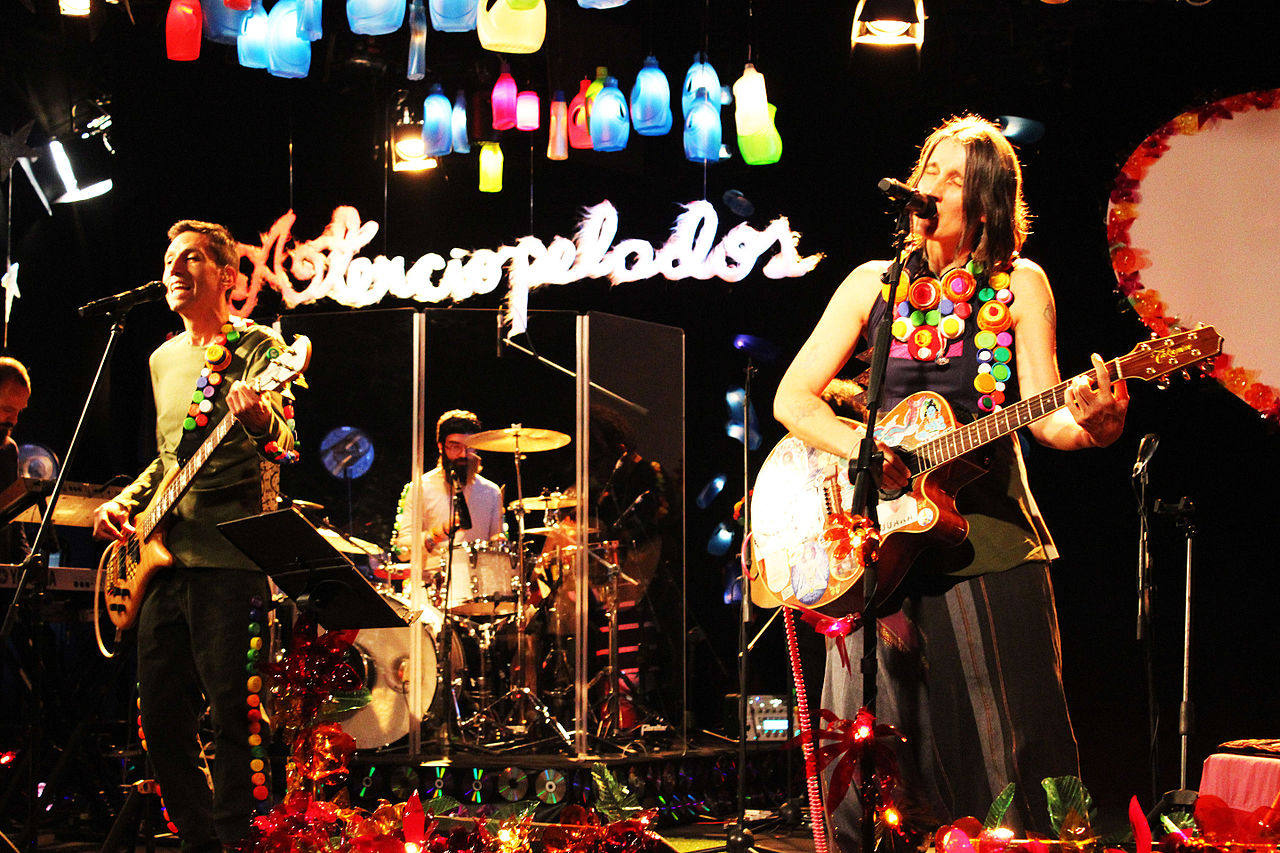
Different regions have clear musical profiles: the Caribbean coast favors cumbia and vallenato, the Pacific coast emphasizes Afro-Colombian percussion, the Andean zone preserves bambuco and pasillo, and the eastern plains (Llanos) are known for joropo-like traditions. Festivals such as major carnivals and local fairs celebrate these forms and transmit repertoire across generations. In the 20th century popular music also absorbed international currents: early rock influences arrived in the late 1950s when Mexican rock and other foreign styles gained airplay, and native bands soon created hybrid sounds combining traditional rhythms with electric instruments and pop arrangements; a later wave of fusion in the 1960s and beyond mixed cumbia with rock and other genres.
Contemporary importance and notable facts
Contemporary Colombian music ranges from preservationist folk ensembles to experimental fusions and mainstream pop, salsa and urban genres. Electronic producers and international collaborations have helped spread cumbia and vallenato influences into global playlists, and local scenes continue to reinvent tradition. For readers seeking introductory sources or recordings, consult the following references and resources below that cover specific aspects such as African heritage, Indigenous forms, European influences and modern popular movements.
Further resources: cultural overview, Spanish influences, rock developments, local bands, 1960s fusions, 19th-century context, abolition-era changes, Indigenous contributions, ethnic diversity, bambuco details.
Related articles
Author
AlegsaOnline.com Music of Colombia: Origins, Major Styles, Instruments, and Cultural Role Leandro Alegsa
URL: https://en.alegsaonline.com/art/67751