
Music theory: principles, history, and practical uses
Overview of music theory: basic concepts, historical development from ancient Greece to modern conservatories, core components like harmony and form, and why performers and composers study it.
Music theory is the organized study of how music is made, heard, notated and understood. It examines the materials of music—pitch, rhythm, harmony, timbre and form—and the techniques by which those materials are combined. Scholars who specialize in these ideas are called music theorists; people who create music are composers, and those who render it for listeners are performers. Theory helps explain how existing music works and offers frameworks for creating new music.
Image gallery
10 Images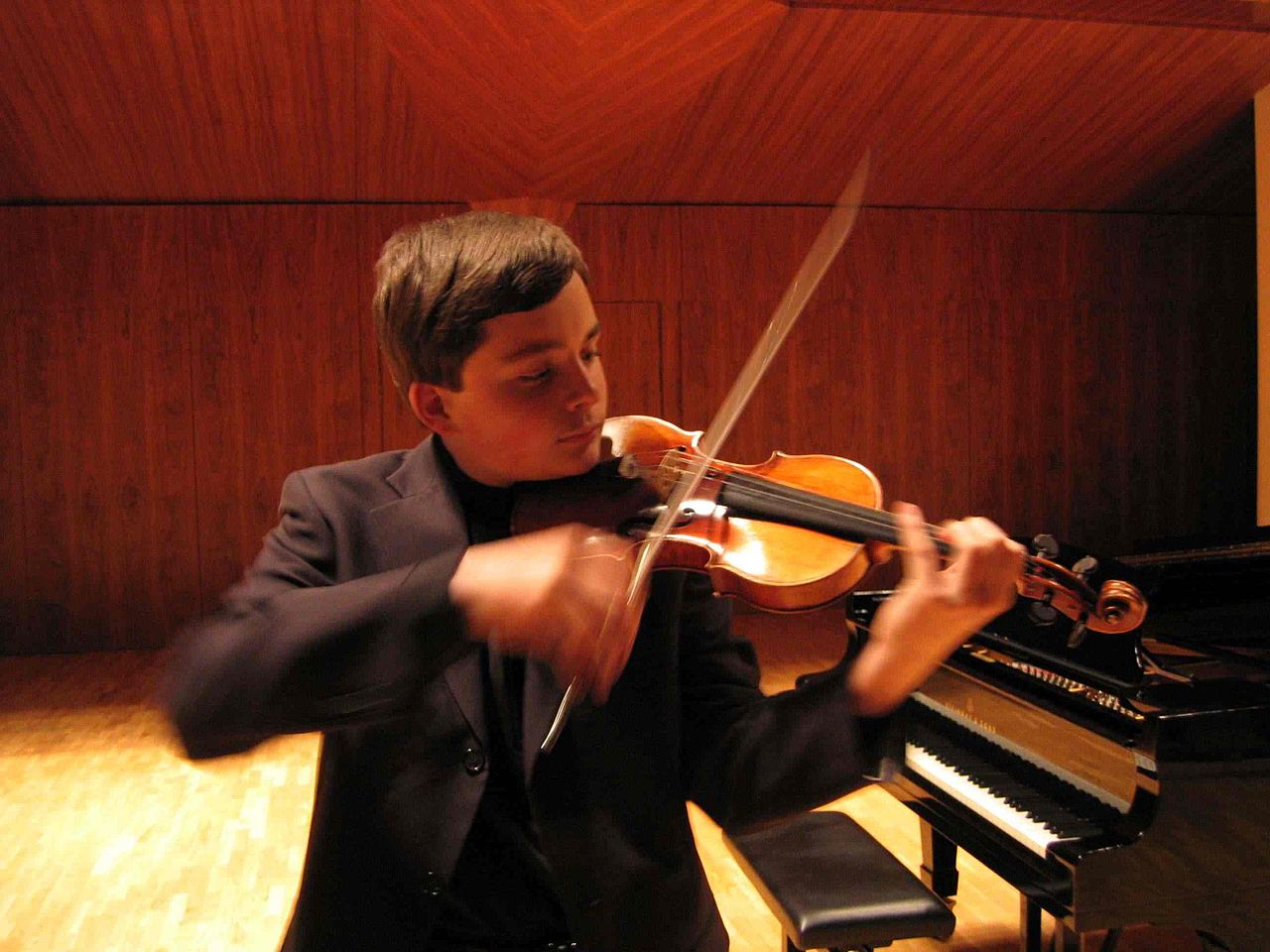




Core concepts and parts
At its heart, music theory describes recurring elements and relationships. Key concepts include pitch organization, scales and intervals; the vertical combination of pitches called harmony; the linear interaction of independent lines known as counterpoint; rhythmic patterns and metre; and large-scale structures or form. Notation records these elements so they can be taught, preserved and analyzed. Theory also treats practical matters such as tuning and sound production on instruments, and the physical basis of sound as part of the science of acoustics.
- Pitch and scales: systems for ordering notes, from pentatonic modes to chromatic scales and serial techniques.
- Intervals and tuning: relationships between pitches, including concepts like the octave and various tuning systems used historically and today.
- Harmony and texture: chordal progression, voice leading, and distinctions between homophony and polyphony.
- Rhythm and metre: pulse, groove, syncopation and how rhythms shape musical motion.
- Form and design: how sections are organized into phrases, periods, sonata forms, and other large-scale designs.
- Performance practice: conventions for articulation, ornamentation and expressive timing that affect how work is performed.
Historical development
Ideas about music date back millennia. Ancient Greek thinkers studied pitch ratios and tuning: for example, the work attributed to Pythagoras explored mathematical relationships in sound and contributed to early theories of consonance. References to the musical thought of the Ancient Greeks and figures like Pythagoras show how number and proportion were linked to musical practice. In the Middle Ages, theorists codified modes, chant notation and counterpoint rules that shaped Western practice for centuries.
The early modern and classical eras produced influential pedagogical texts. During the 18th century writers such as Carl Philipp Emanuel Bach and treatises by teachers like Leopold Mozart documented both technique and performer expectations; these works often discussed how to execute ornaments or flexible timing in ways that modern readers call performance practice. The towering example of composition and analysis in earlier centuries is the music of figures such as J. S. Bach and later geniuses like Wolfgang Amadeus Mozart, whose scores continue to be studied for their craft.
Learning, application and interpretation
Formal study in conservatories and university programs emphasizes harmony, counterpoint and form, training students to recognize the conventions that shaped earlier repertories. Teachers present these conventions as rules—stylized descriptions of common practice rather than immutable laws. Understanding those conventions helps performers make informed interpretive choices and helps composers decide when to follow, adapt or break them.
Beyond academic study, music theory supports a wide range of activities: arranging for ensembles, preparing scores for performance, analyzing works for scholarship, teaching musicianship, and informing technological tools such as music notation software and audio synthesis. Although rooted in historical practice, theory remains a living discipline: contemporary composers and analysts continually expand its vocabulary to describe diverse musical traditions and innovations.
Questions and answers
Q: What is music theory?
A: Music theory is the study of how existing music works and how new music could or should be organized. It involves understanding what makes the music sound the way it does, as well as studying harmony, counterpoint, form, and performance practice.
Q: Who are some famous people who studied music theory?
A: Famous people who studied music theory include Pythagoras in Ancient Greece, several theorists from the Middle Ages, Carl Philipp Emanuel Bach in the 18th century, and Leopold Mozart in the 18th century.
Q: How can studying music theory help composers?
A: Studying music theory can help composers by teaching them “rules” that describe what great composers of the past did when writing their own pieces. This knowledge can then be used to inform their own compositions.
Q: How can studying music theory help performers?
A: Studying music theory can help performers better understand and interpret a piece of musical work they are playing or singing. This includes learning about rhythms, ornaments, harmony and counterpoint which will all contribute to a more accurate performance of a piece of work.
Q: What is "performance practice"?
A: Performance practice refers to how certain pieces were performed in different eras; this includes information on rhythm patterns and ornamentation which was unique to each era's style of composition.
Q: What did Carl Philipp Emanuel Bach write about?
A: Carl Philipp Emanuel Bach wrote a book called “An Essay on the true art of playing Keyboard” which focused on performance practice; specifically it discussed how certain rhythms were played quite freely and how ornaments were used in compositions from that time period.
Q: What did Leopold Mozart write about? A: Leopold Mozart wrote a book called The Art of Playing Violin which also focused on performance practice; similarly it discussed aspects such as rhythm patterns and ornamentation which were common during his time period.
Related articles
Author
AlegsaOnline.com Music theory: principles, history, and practical uses Leandro Alegsa
URL: https://en.alegsaonline.com/art/67760