
Museum Campus (Chicago) — lakeside park uniting Adler, Shedd and Field
A 57-acre lakeside park in Chicago that links three major natural-science museums with green space, pedestrian access, and landmark facilities along Lake Michigan.
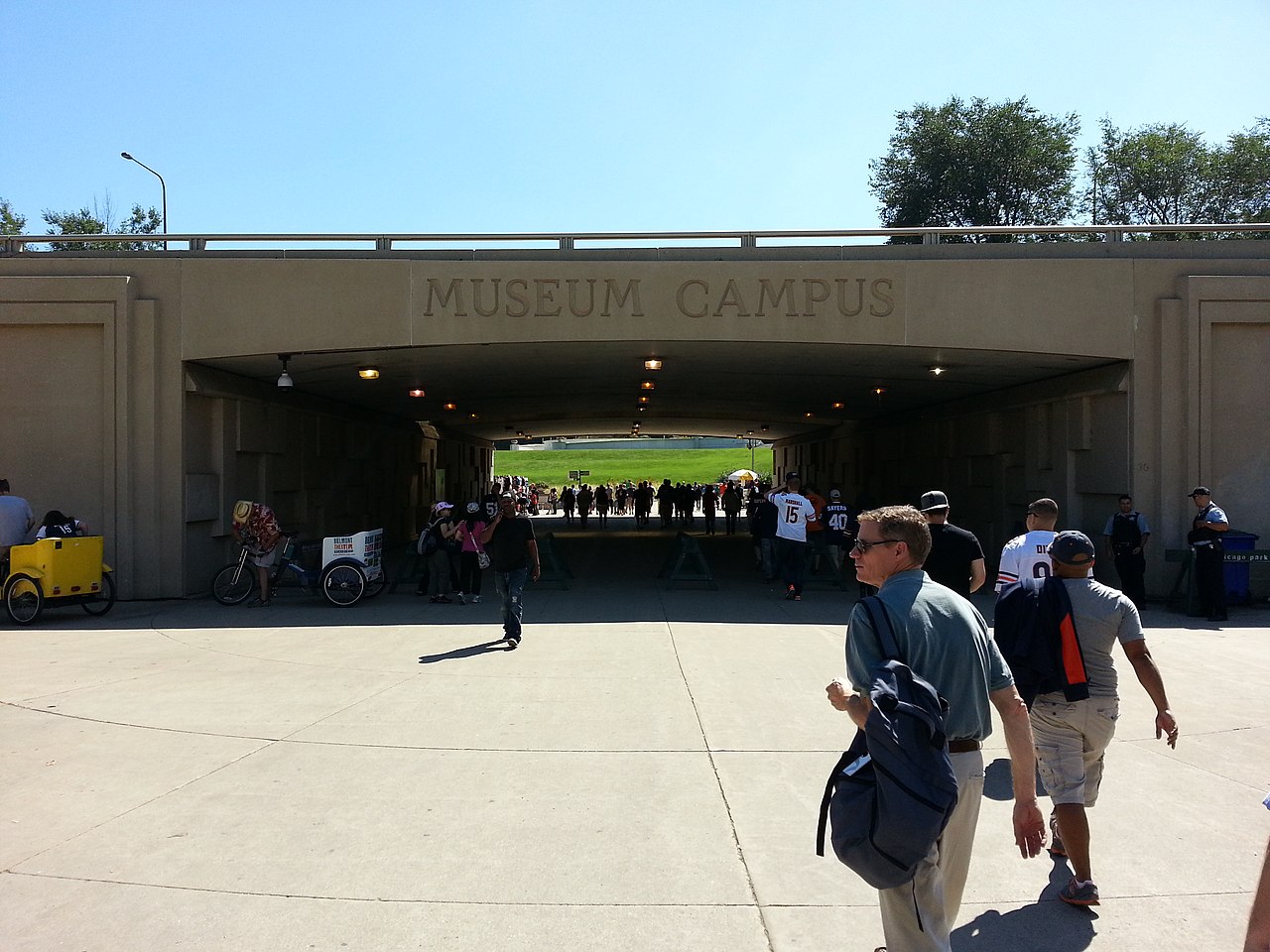
The Museum Campus is a 57-acre public park beside Lake Michigan in the heart of Chicago. Designed to present a continuous green setting for cultural institutions, it surrounds and connects several of the city’s best-known science attractions and provides a scenic portion of the lakefront.
Image gallery
7 Images




Main institutions and landmarks
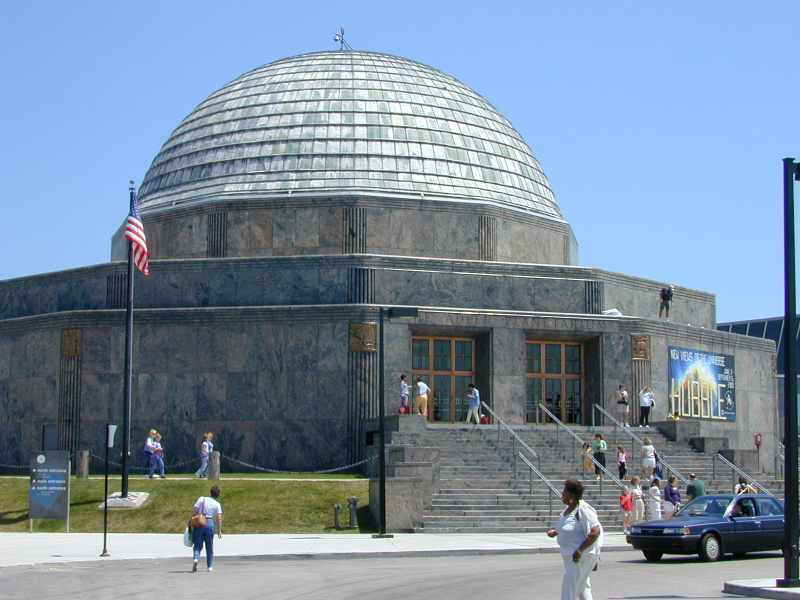
The campus is anchored by three principal museums: the Adler Planetarium & Astronomy Museum, the Shedd Aquarium, and the Field Museum of Natural History. These institutions emphasize astronomy, aquatic life, and natural history respectively and are sited close together to encourage combined visits and outdoor circulation. The park also sits near notable venues such as Soldier Field and the Lakeside Center of McCormick Place.
Layout, public space and features
Museum Campus was developed to reduce surface parking and create uninterrupted lawn, promenades and shoreline views. Visitors find pedestrian paths, plazas, and vantage points for skyline and lake vistas. The adjacent Lakefront Trail and parkland offer biking, jogging and access to the water’s edge; transit connections and visitor services serve the museums year-round.
History and development
The idea of grouping Chicago’s lakeside museums and enhancing the lakefront evolved over decades as part of broader plans for Grant Park. Over time the campus boundary and landscaping were improved to better integrate institutions with public space. The area has changed as transportation and shoreline uses shifted: for example, the small Meigs Field airstrip on nearby Northerly Island was closed and its runway removed in the early 2000s (Meigs Field).
Visiting, programming and significance
Museum Campus functions as both a museum district and a major urban greenway, hosting educational programs, special exhibitions, and seasonal events. It offers combined-ticket opportunities and attracts tourists and residents who appreciate concentrated cultural resources together with open lakefront parkland.
Notable facts and distinctions
- The campus emphasizes natural-science institutions in a single lakeside setting, fostering interdisciplinary visits.
- Its landscape improvements replaced former parking and industrial uses to expand public waterfront access.
- Information and official resources about individual sites are available through each institution’s pages: museum information.
Related articles
Author
AlegsaOnline.com Museum Campus (Chicago) — lakeside park uniting Adler, Shedd and Field Leandro Alegsa
URL: https://en.alegsaonline.com/art/67720