
Grant Park, Chicago
Historic public park in Chicago’s lakefront Loop, known for Buckingham Fountain, Millennium Park (Cloud Gate), Museum Campus, major festivals and public events.
Grant Park is a prominent public park on the lakefront in the heart of Chicago, Illinois. Often described as the city’s “front yard,” the park lies immediately east of the Chicago Loop and provides open green space, promenades and civic gathering places. It functions both as an urban oasis and as a stage for cultural events, festivals and outdoor recreation, and is managed as a major municipal parkland of the city park system.
Image gallery
10 Images

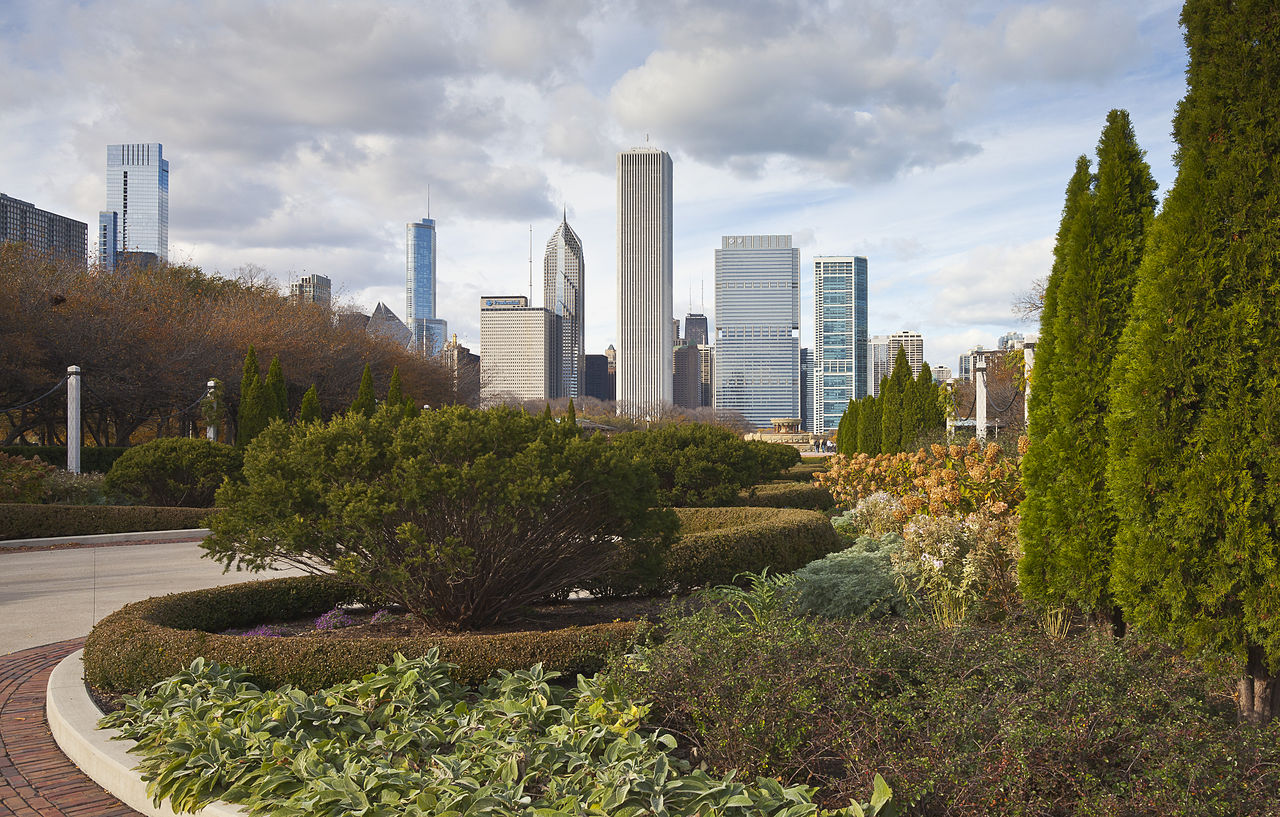


Principal features and attractions
Grant Park contains several well-known sites that draw residents and tourists. The park is adjacent to or contains the following notable attractions:
- Buckingham Fountain, a landmark fountain and visual centerpiece.
- Millennium Park, an arts-and-architecture precinct that includes public art and performance spaces.
- Museum Campus, a contiguous area of cultural institutions along the lakefront that includes major museums and aquariums.
- Open lawns, walking paths, and parkland used for temporary stages and civic gatherings.
History and name
The area that became Grant Park was originally called Lake Park. It was renamed after Civil War general and President Ulysses S. Grant in the early 20th century. Over time the park evolved from informal lakefront commons to a deliberately designed public landscape, with successive improvements and the addition of cultural facilities that reflect Chicago’s civic ambitions.
Events and public life
Grant Park is a frequent site for large public events and seasonal festivals. Among the best-known recurring gatherings are the Lollapalooza music festival and the Taste of Chicago food festival. The park also hosts concerts, parades, civic commemorations and temporary exhibitions; its open areas and proximity to downtown make it a preferred venue for events that draw citywide attendance.
Significance and distinctions
Beyond individual attractions, Grant Park is notable for its role as a shared urban commons. It forms a transition zone between the dense commercial core and the lakefront, contributing to Chicago’s reputation for accessible waterfront public space. The park’s combination of permanent landmarks, cultural institutions and seasonal programming has made it central to the city’s tourism, recreation and civic calendar.
Related articles
Author
AlegsaOnline.com Grant Park, Chicago Leandro Alegsa
URL: https://en.alegsaonline.com/art/40315
Sources
- chicagoparkdistrict.com : "Grant Park"
- aviewoncities.com : "Grant Park"
- chicago.citysearch.com : "Grant Park"