
Muskogee County, Oklahoma
Muskogee County in eastern Oklahoma is centered on the city of Muskogee. It has a mixed urban–rural character, Native American heritage, riverine geography, and an economy of agriculture, manufacturing and services.
Muskogee County is a county in eastern Oklahoma centered on the city of Muskogee, which serves as the county seat. The county takes its name from the Muscogee (Creek) people and occupies a region shaped by the Arkansas River and surrounding plains and woodlands. Historically it has contained a mix of small cities, towns and rural areas; as of 2000 the population recorded was about 69,451, and the county has retained a balance of agricultural land and urban services.
Image gallery
2 Images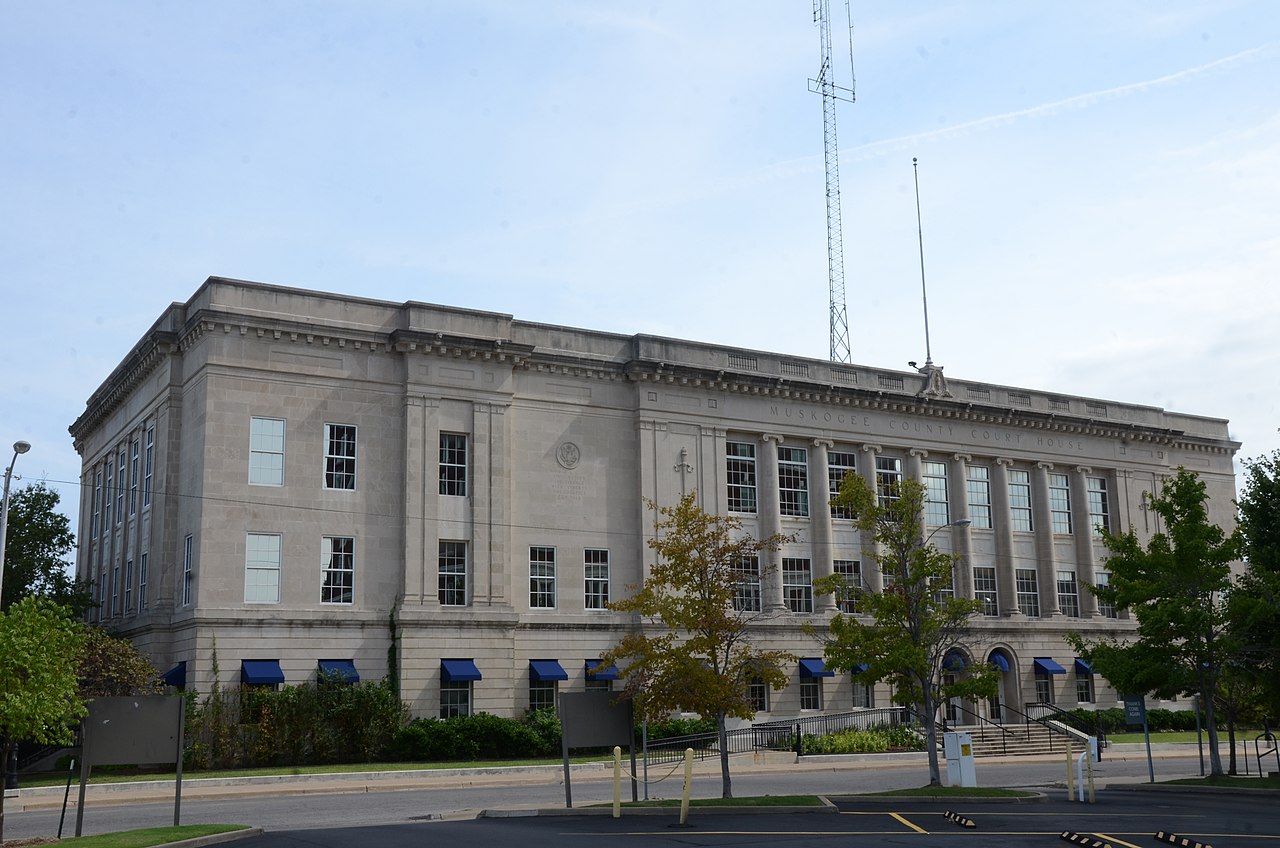
Geography and communities
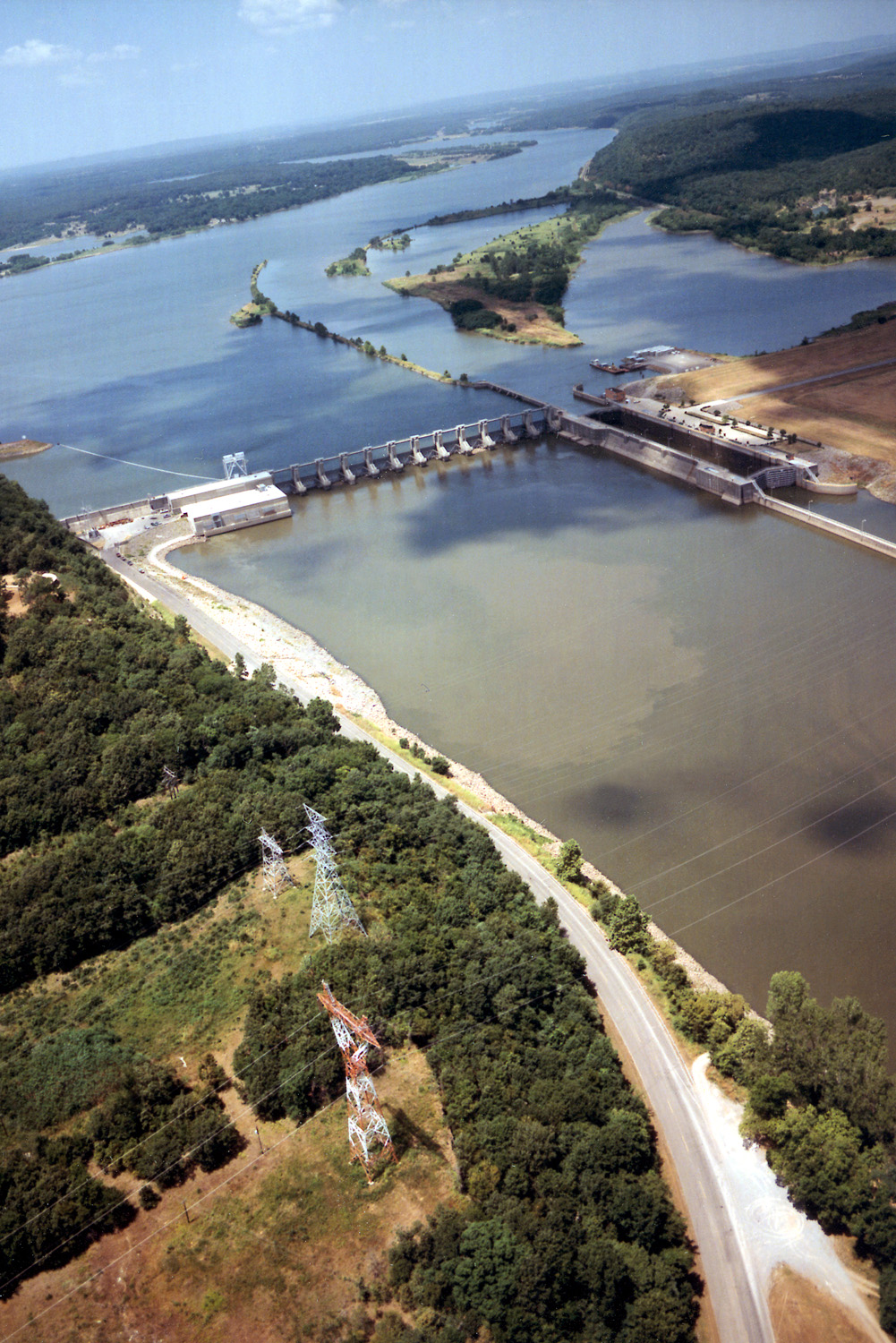
The landscape includes river valleys, rolling farmland and patches of forest. The Arkansas River has been important for transport, irrigation and local recreation. Principal population centers include the city of Muskogee and smaller municipalities such as Fort Gibson, along with numerous unincorporated rural settlements.
History and origins
The area was long inhabited and used by Native American nations, notably the Muscogee (Creek) people and other tribes forced into Indian Territory in the 19th century. The county was organized with Oklahoma statehood and developed through agriculture, river trade and later industrial and civic growth. Historic sites and museums preserve aspects of frontier, military and Native American history.
Economy and culture
Economic activity mixes farming (row crops and livestock), manufacturing, energy and service industries. Cultural life reflects the county’s Native American heritage and frontier past, with museums, parks and community festivals that draw regional visitors. Local institutions also support education, healthcare and small-business development.
Government, transport and notable facts
- County government is headquartered in Muskogee, with elected officials responsible for roads, courts and public services.
- Transportation includes highways, rail connections and river access that link local industry to broader markets.
- Historic and recreational sites offer opportunities for heritage tourism and outdoor activities.
- Visitors can learn about regional history through museums and preserved sites; more information is available from local tourism and archival resources such as county and city guides.
For starting research on the county, local government pages and regional heritage organizations provide reliable overviews and current data on demographics, services and economic programs.
Related articles
Author
AlegsaOnline.com Muskogee County, Oklahoma Leandro Alegsa
URL: https://en.alegsaonline.com/art/67787