
Mutitjulu (Muṯitjulu) — Indigenous community at the base of Uluru
Mutitjulu is an Aboriginal community inside Uluru‑Kata Tjuṯa National Park in the Northern Territory. It is home mainly to Pitjantjatjara families and closely connected to Anangu culture and park management.
Location and name
Mutitjulu (often written Muṯitjulu) is an Indigenous Australian town located within Uluru‑Kata Tjuṯa National Park in the Northern Territory. The community lies at the eastern base of Uluru and takes its name from a small, knee‑shaped waterhole at the rock’s base, a site of cultural and environmental significance often referred to in visitor information as the Mutitjulu waterhole (waterhole).
Image gallery
3 Images

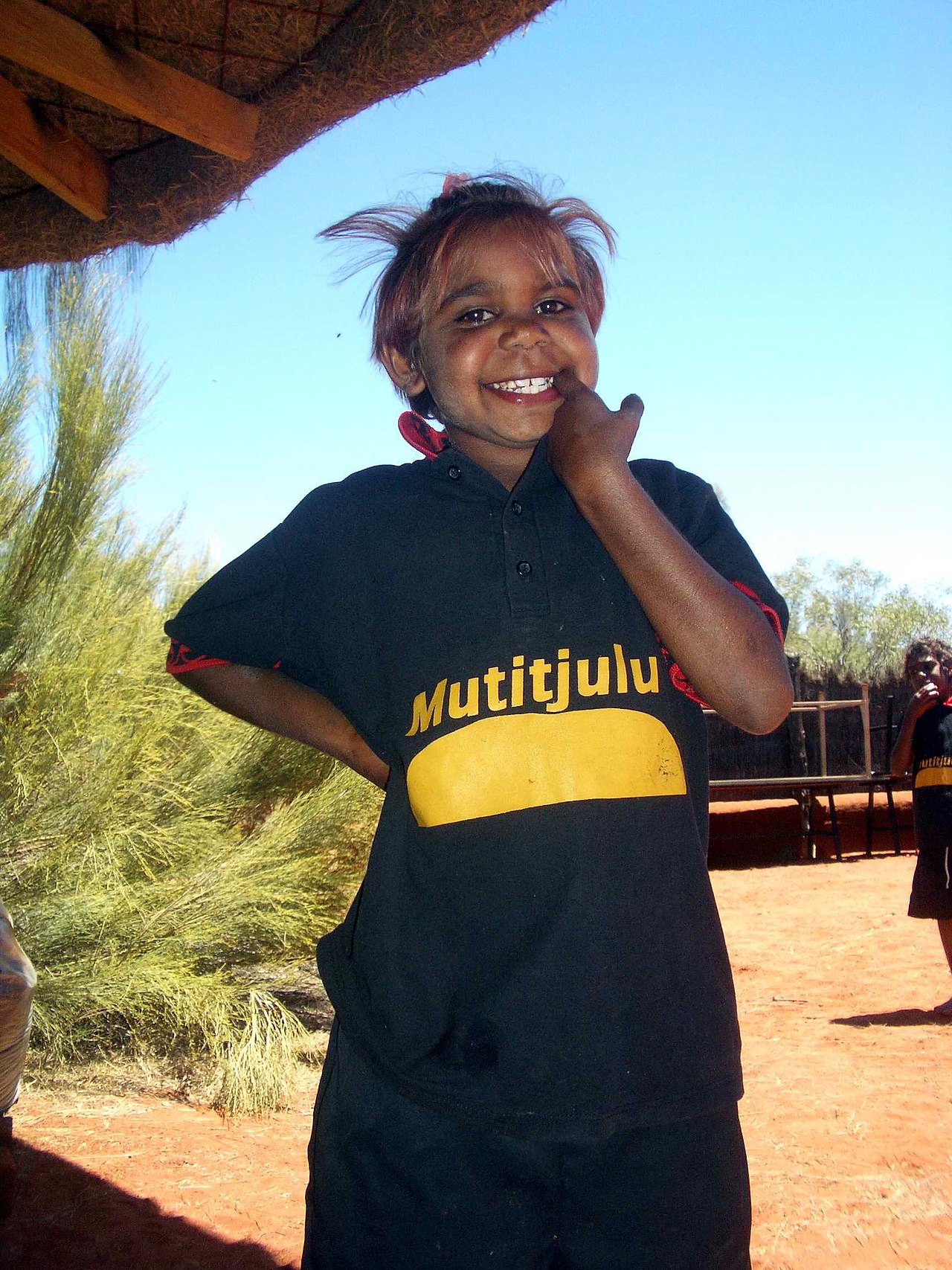
People, language and culture
The population is predominantly Aboriginal, with most residents identifying as Pitjantjatjara. There are also families of Yankunytjatjara, Luritja and Ngaanyatjarra background. Anangu cultural law (Tjukurpa), songlines and storytelling remain central to daily life; these traditions guide local decision‑making, land care and cultural education for visitors and younger generations.
History and governance
Mutitjulu developed as a permanent settlement associated with the establishment of the national park and the growth of tourism in the region. The land that includes Uluru and surrounding areas was returned to its traditional owners and has been jointly managed with park authorities; local governance structures and community councils oversee housing, cultural programs and services while coordinating with national park management.
Economy, services and cultural enterprise
Most working adults in Mutitjulu are employed in roles connected to the national park and visitor services, including guided cultural tours, arts and crafts production, conservation and hospitality. Community arts centres and local enterprises produce paintings, woven items and cultural products sold to visitors and through regional outlets. These activities support cultural continuity as well as incomes for households.
- Community type: Indigenous settlement
- Park: Uluru‑Kata Tjuṯa National Park
- Languages/peoples: Pitjantjatjara, Yankunytjatjara, Luritja, Ngaanyatjarra
- Notable feature: Mutitjulu waterhole
Population, social matters and visitor guidance
Official figures and community estimates have varied: the 2006 census recorded 283 residents, and local reports suggested the resident population fell to around 150 by 2012 following changes to local alcohol restrictions. The community has implemented alcohol management measures intended to improve health and safety; such policies have influenced residency patterns in many remote settlements. Visitors should respect local cultural protocols, follow park rules and accept guidance from community representatives—this includes being aware of and observing requests about access to sacred sites.
For those interested in learning from Anangu culture, Mutitjulu offers opportunities to join community‑led cultural interpretation and art programs. When planning a visit, consult official park information and look for community notices or guided experiences that support respectful engagement with the place and its people.
Census information and contemporary reports can provide demographic context, while discussions of public health and community regulation often reference alcohol policy as one of several factors shaping life in remote Indigenous communities.
Related articles
Author
AlegsaOnline.com Mutitjulu (Muṯitjulu) — Indigenous community at the base of Uluru Leandro Alegsa
URL: https://en.alegsaonline.com/art/67834
Sources
- censusdata.abs.gov.au : "Mutitjulu (Indigenous Area)"
- theaustralian.com.au : "Revolution's mosaic of success and failure"